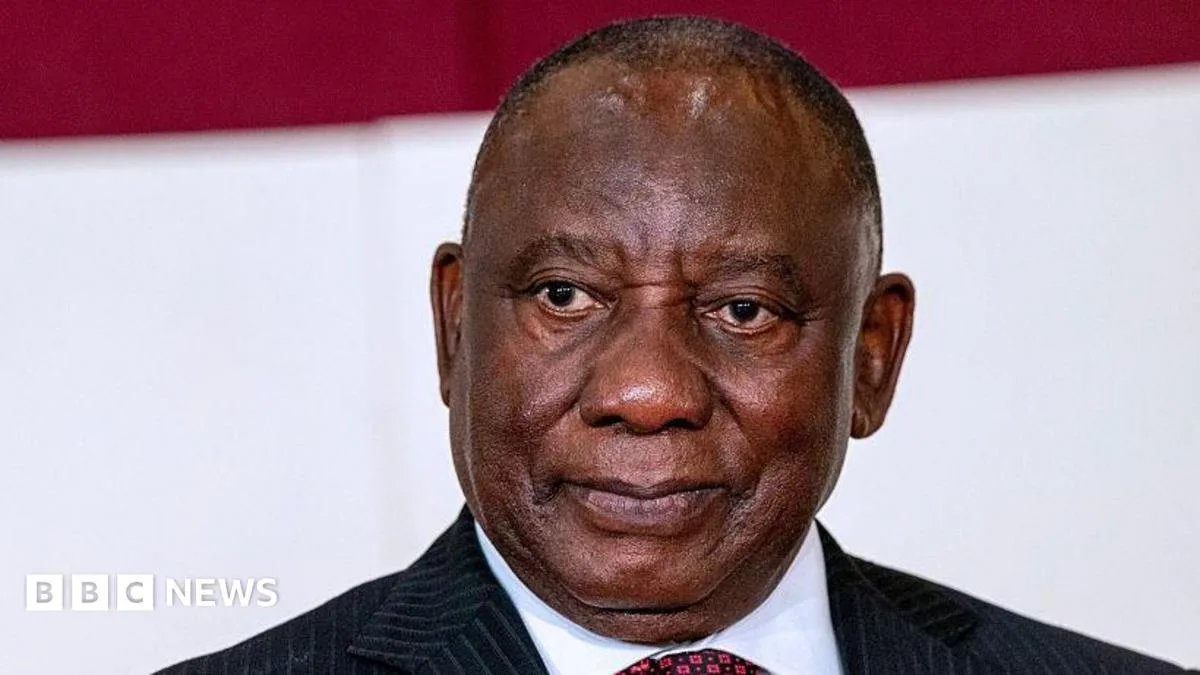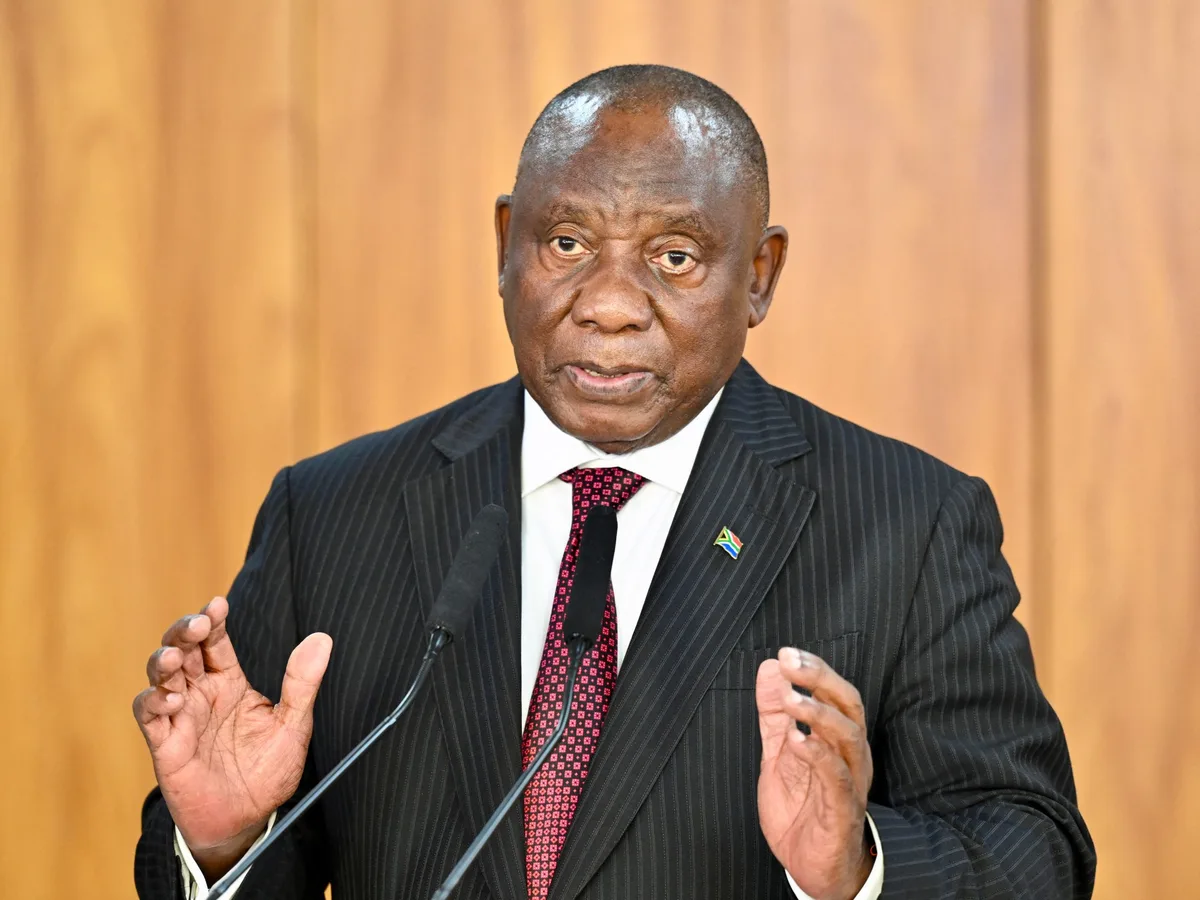
A South African court granted President Cyril Ramaphosa a temporary interdict on July 24, 2026, stopping Parliament’s impeachment inquiry tied to the "Farmgate" scandal [1, 2, 3]. The Western Cape High Court ruled the parliamentary committee cannot proceed with impeachment hearings until Ramaphosa’s ongoing court challenge against an independent panel’s report is resolved [1, 2, 3]. Judge Andre le Grange stated, "Pending the determination by this court of the applicant’s review … respondents are interdicted from proceeding with a public impeachment hearing" [2].
The Farmgate scandal dates back to 2020 when approximately $580,000 in cash was stolen from Ramaphosa’s private game farm in Phala Phala, Limpopo province [1, 2, 3]. Ramaphosa denies any wrongdoing, saying the stolen money was proceeds from the sale of buffalo and game [1, 2, 3].
An independent panel appointed by Parliament in 2022 found Ramaphosa might have a case to answer for serious misconduct related to the stolen funds [1, 3]. In May 2026, South Africa’s Constitutional Court ruled that Parliament had acted unlawfully by shelving the panel’s report, allowing the impeachment process to restart [1].
Despite the Constitutional Court’s decision, the Western Cape High Court’s July ruling pauses the parliamentary committee’s efforts until the president’s court challenge against the panel’s findings concludes [1, 2, 3]. Ramaphosa’s spokesperson Vincent Magwenya said the president "reaffirms his respect of judicial independence and separation of powers enshrined in our Constitution. The president will continue to cooperate with and abide by processes of accountability" [2].
The African National Congress (ANC), Ramaphosa’s party, lost its parliamentary majority in the May 2024 general election and now governs in coalition [1, 2].
Ramaphosa is expected to formally challenge the independent panel’s report in a court hearing scheduled for September 2026 [1, 3]. The impeachment inquiry will remain paused until courts rule on that challenge.