South Korea held local elections on June 3, 2026, covering mayoral and gubernatorial contests in 16 cities and provinces as well as 14 parliamentary by-elections for vacant seats [1, 2, 3, 4].
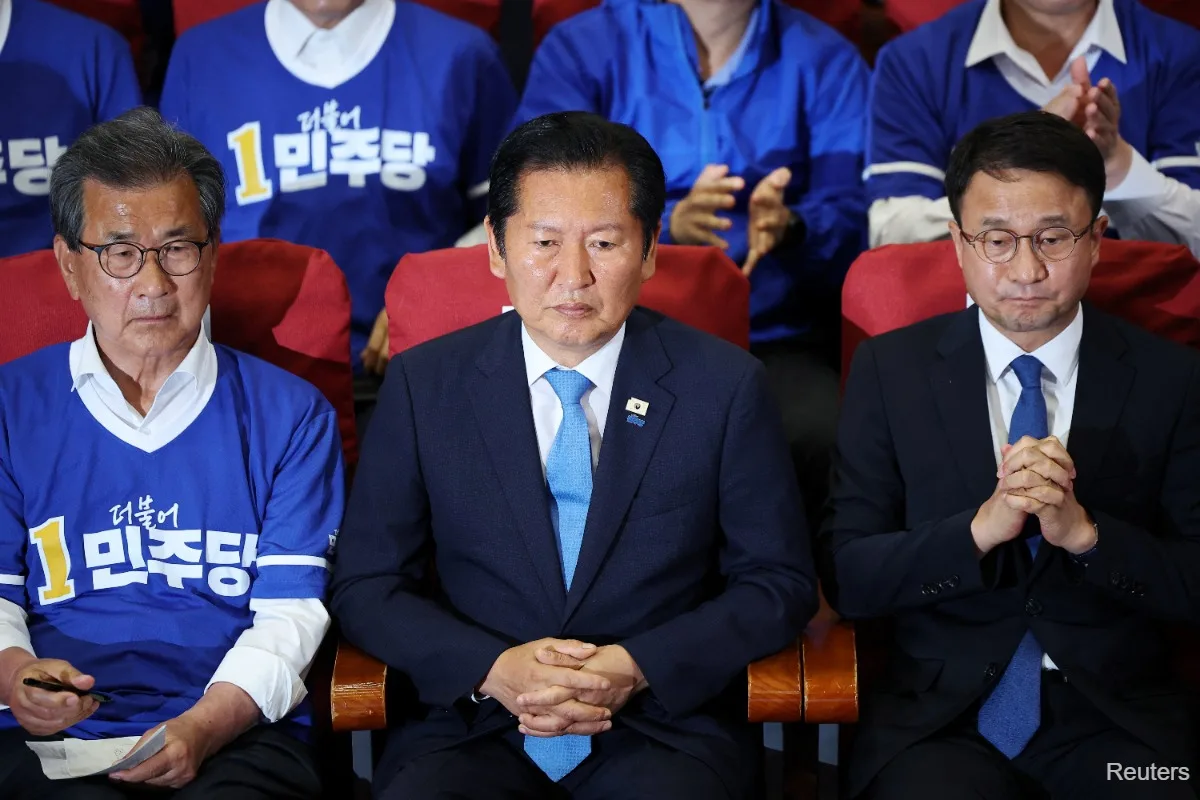
The ruling Democratic Party, led by President Lee Jae Myung, secured a majority by winning 12 of the 16 mayoral and gubernatorial races nationwide [2, 3, 4]. The party also won 9 out of the 14 parliamentary seats during the by-elections [3, 4]. Jung Chung-rae, leader of the Democratic Party, said, "I deeply thank the people for giving the Democratic Party a great victory across the country. But it hurts that we failed to retake Seoul" [2].
The opposition conservative People Power Party won 4 mayoral and gubernatorial seats, including the Seoul mayoralty in a tight race. Incumbent Mayor Oh Se-hoon secured another term, defeating Democratic candidate Chong Won-o [2, 5, 6]. Oh said, "Seoul voters had upheld the great democratic principle of checks and balances to prevent the country from tilting entirely to one side" [2].
The Democratic Party broke through in Busan, South Korea’s second-largest city and a former conservative stronghold, marking a significant gain [2, 3, 6, 4]. Political science professor Shin Yul of Myongji University noted, "The key question was who would win symbolic battlegrounds such as Seoul and Busan, where swing voters are important" [2].
Voter turnout reached the highest level since South Korea’s first nationwide local elections in 1995, indicating strong public engagement [4]. The local elections served as an early-term assessment of President Lee Jae Myung’s administration and consolidated his mandate for the next four years [1, 7, 8, 9, 5].
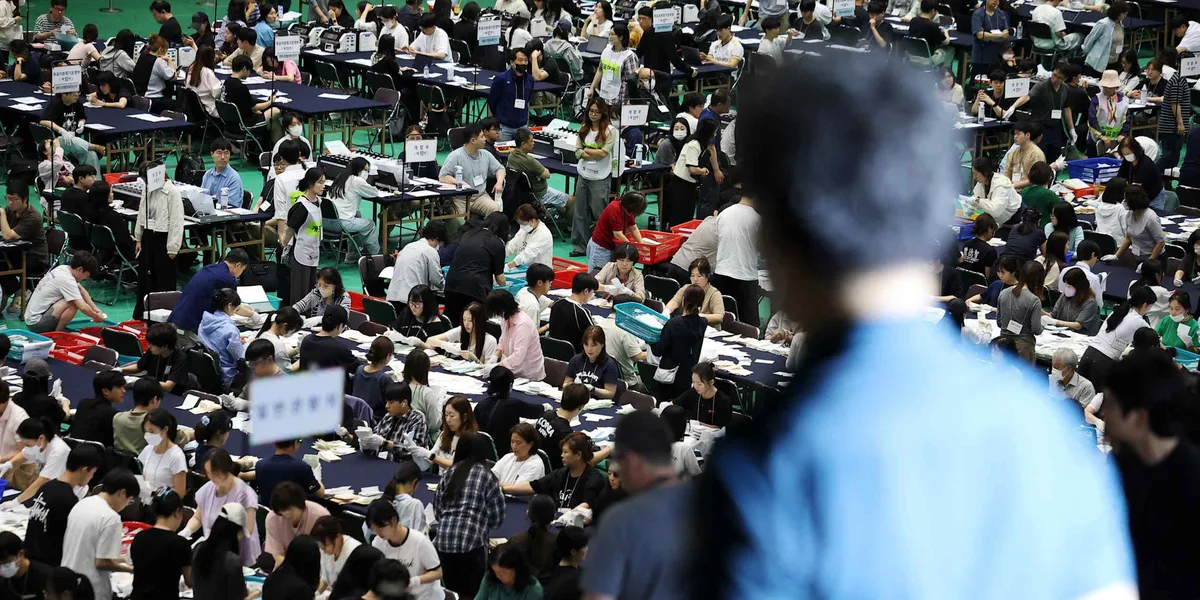
A controversy arose in Seoul after reports of a shortage of ballot papers during vote counting, though details remain limited [6].
The election results were officially announced on June 4, confirming the Democratic Party’s majority in major local offices and their parliamentary by-election wins, alongside People Power Party’s hold on Seoul [2, 3, 4].