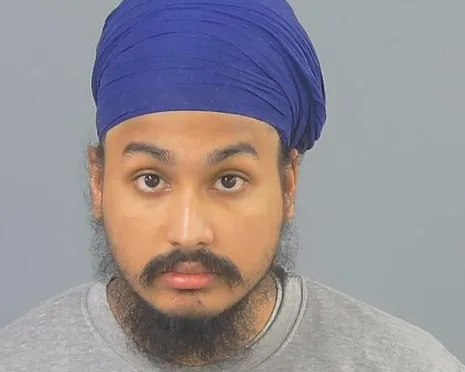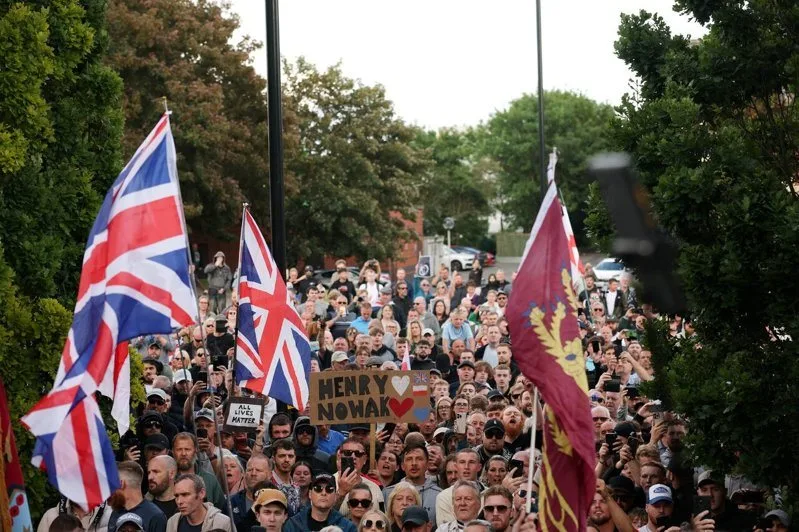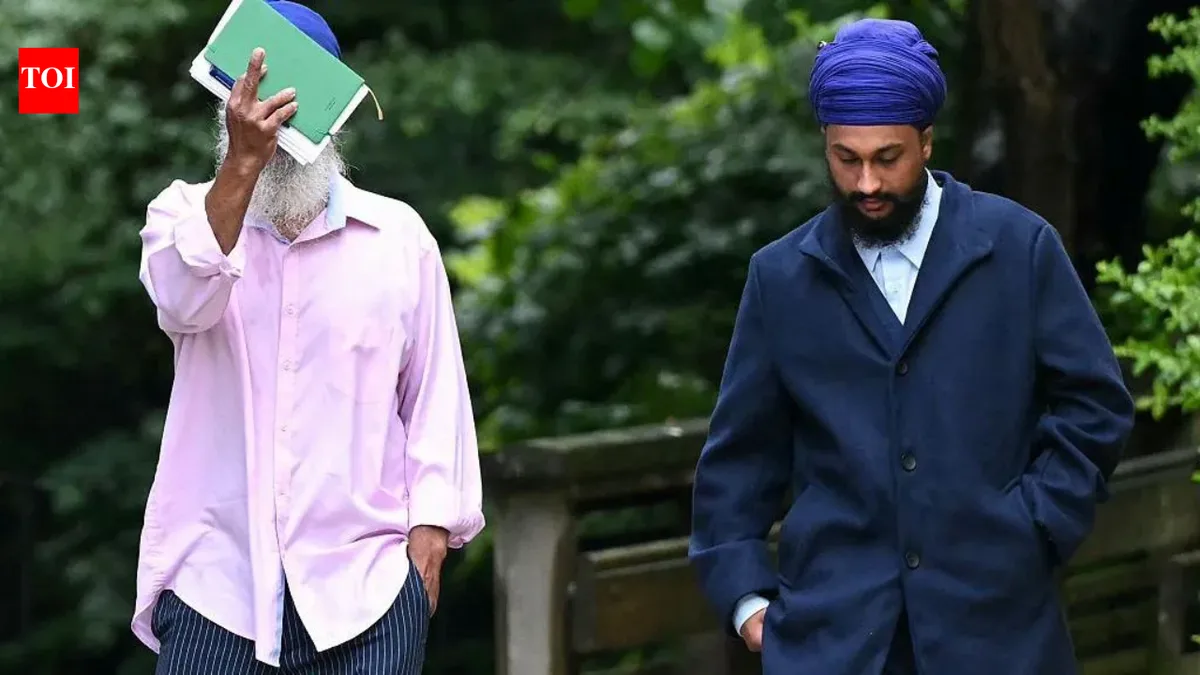
Vickrum Digwa, 23, stabbed 18-year-old student Henry Nowak five times in Southampton on December 3, 2025, killing him at the scene with a 21cm blade, the court heard [1, 2, 3, 4, 5, 6]. Digwa was convicted of murder and carrying a bladed weapon in May 2026 at Southampton Crown Court [5, 6].
Digwa had claimed he carried the knife as a kirpan, a religious Sikh blade, but the court rejected this argument. Judge William Mousley KC ruled the weapon was not a kirpan but an offensive dagger with no religious protection or justification [1, 2, 6, 7]. The judge said, “You have brought shame on your family, your community and your religion. Your actions have stirred up racial tension, which has made many Sikhs worried about their safety.” [1]
The victim’s father, Mark Nowak, criticized police for handcuffing Henry after Digwa falsely accused him of racial abuse. Henry repeatedly told officers “I can't breathe” but was left unattended before dying, while Digwa was never restrained [3, 4, 8]. Mark Nowak said, "Henry died in extreme undignity, with no one listening to him, while Digwa was never handcuffed and his dignity was maintained. This difference is unbearable." [3]
Digwa was sentenced on June 1 to life imprisonment with a minimum term of 20 or 21 years before parole eligibility; sources differ slightly on the exact minimum term [1, 2, 3, 4, 5, 6]. His mother, Kiran Kaur, was convicted of assisting an offender and removing the weapon after the attack [5, 6, 9].
After sentencing, Southampton’s Sikh community reported a spike in racial abuse and intimidation, leading to cancelled memorial events and fears for safety [10, 11]. Eleven Sikh MPs issued a statement distancing Sikhism from Digwa’s crime and confirming the weapon used was not a kirpan [7]. Independent MP Adnan Hussain said, “No community should have to live in fear like this, and no community should be held responsible for the crimes of an individual. Solidarity with the Sikh community.” [11]
In related proceedings, Digwa and his family faced further court charges on June 6 over multiple weapons found after the murder [12]. The court continues to hear these cases. The case has drawn public comparisons to other incidents involving police restraint and raised calls for scrutiny of actions at the crime scene following Henry Nowak’s death.