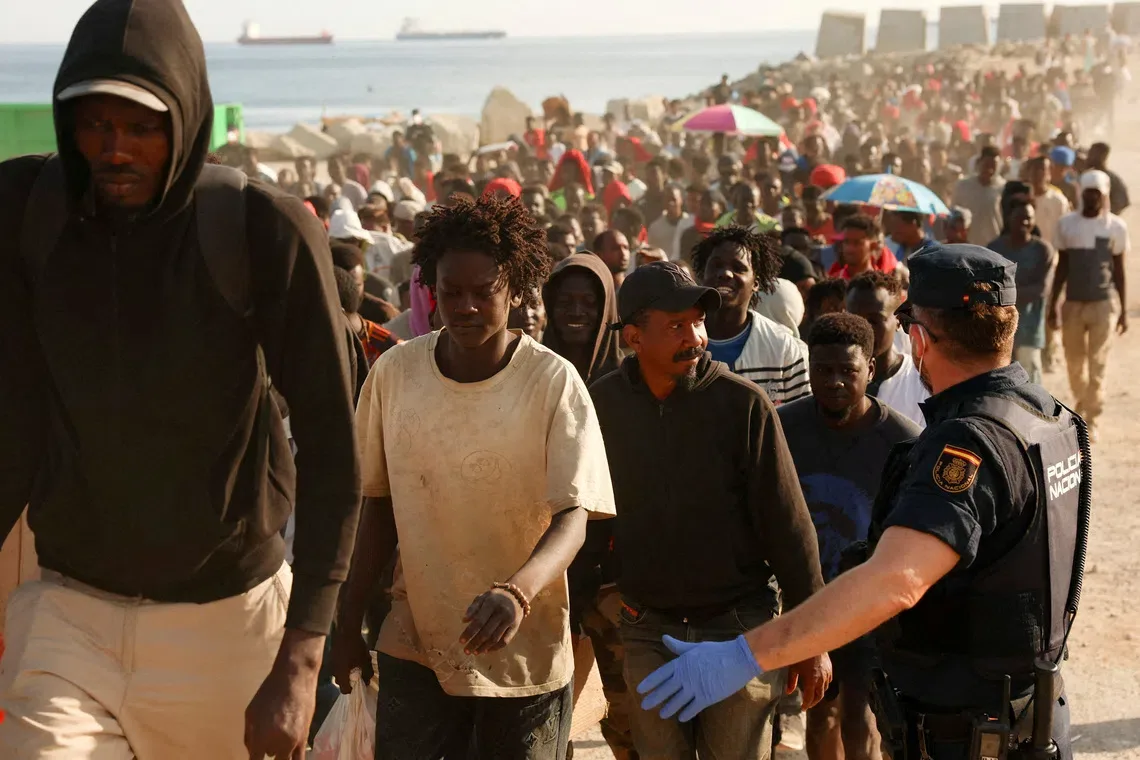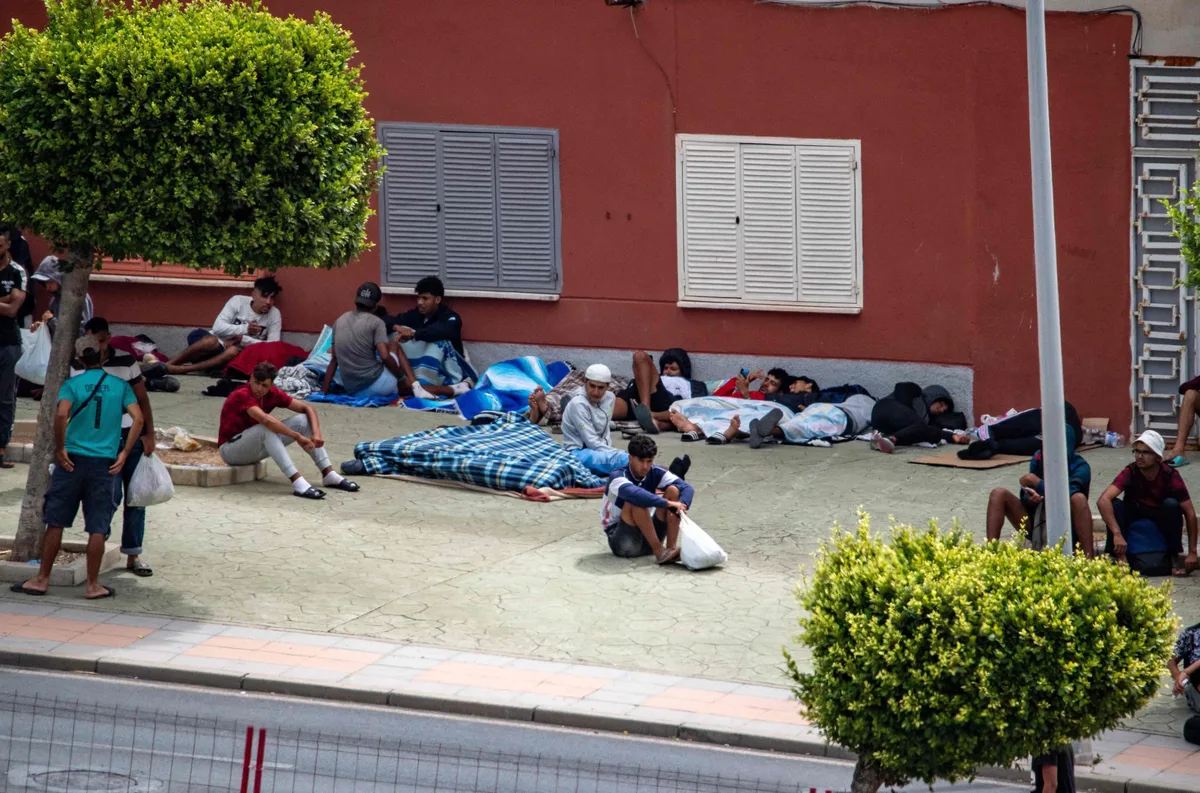
Around 5,000 to 8,000 migrants remain in Spain's North African enclave of Ceuta after approximately 72,000 crossed from Morocco on July 30–31, sparking a migrant crisis [1, 2]. The sudden influx resulted in at least 82 deaths on the Spanish side of the border and 14 on the Moroccan side during the chaotic crossing [1, 2].
Spain’s Interior Minister Fernando Grande-Marlaska formally requested assistance from the EU’s border agency Frontex on August 28, seeking 10 additional officers and emergency EU funding to help screen and process migrants [1, 3, 2]. EU Commissioner for Migration Magnus Brunner said a swift decision on the request is being made, emphasizing the priority of ensuring the rapid return of all who remain illegally in Ceuta [3].
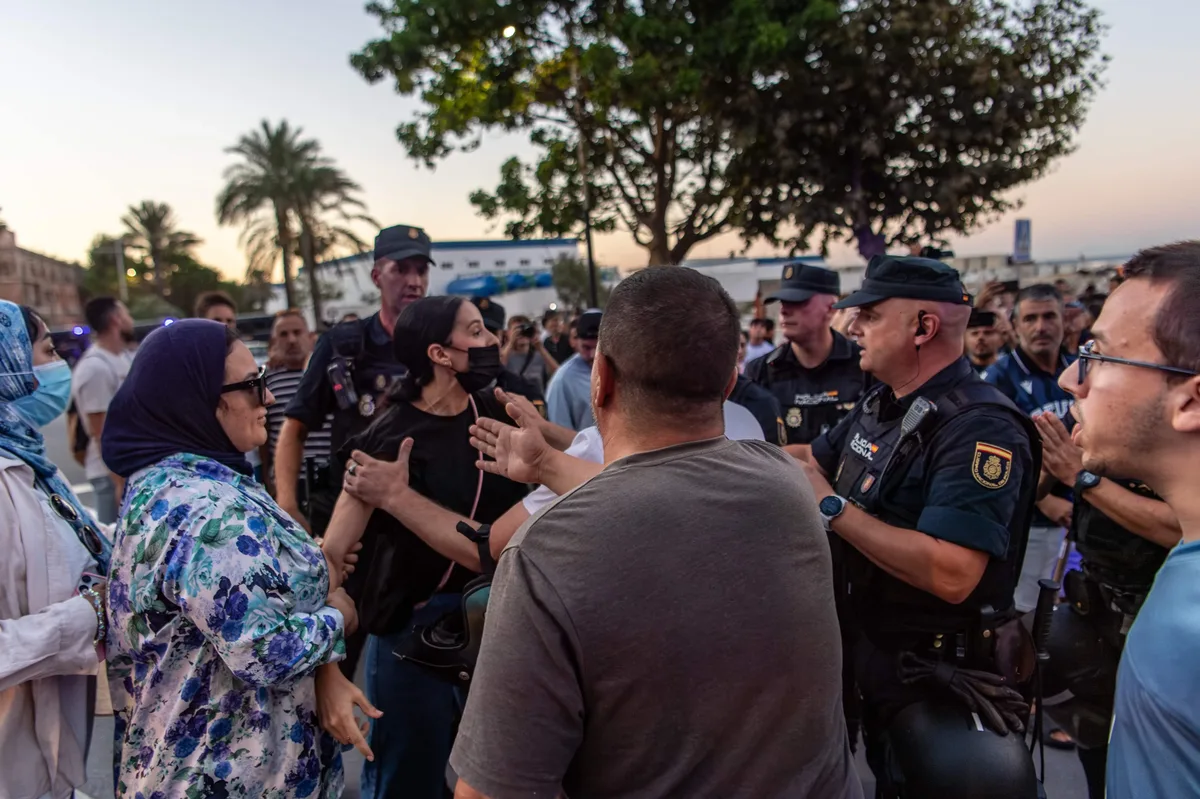
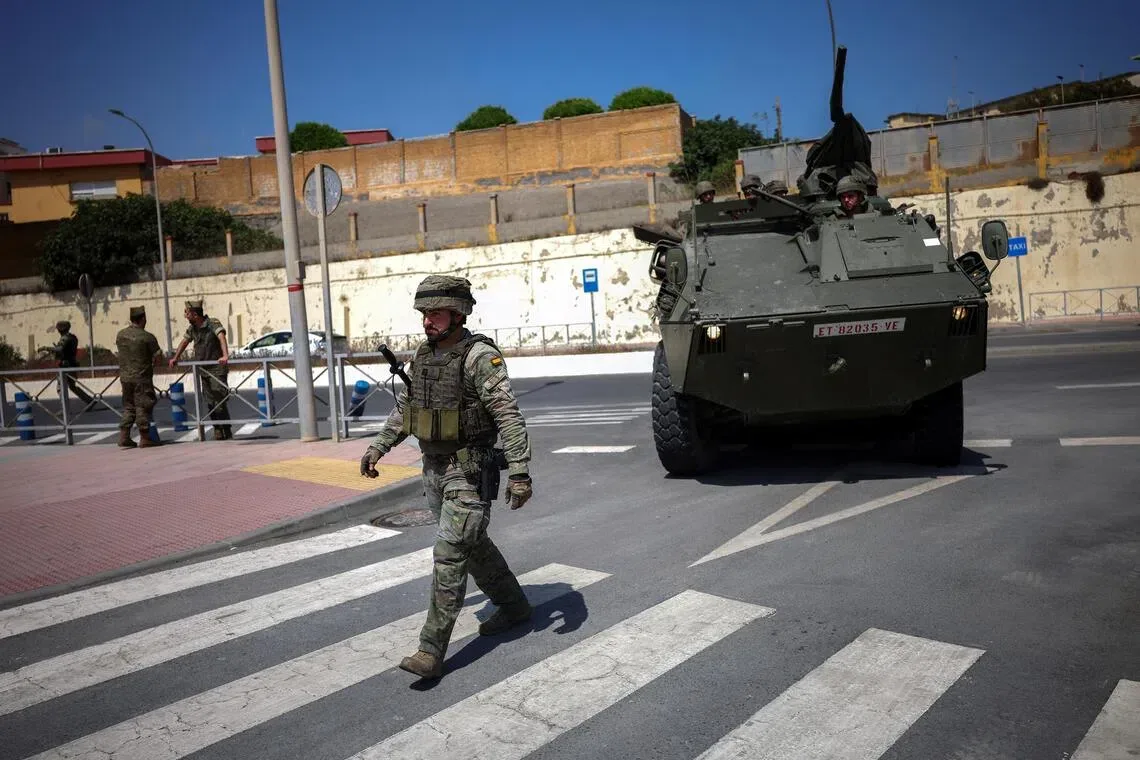
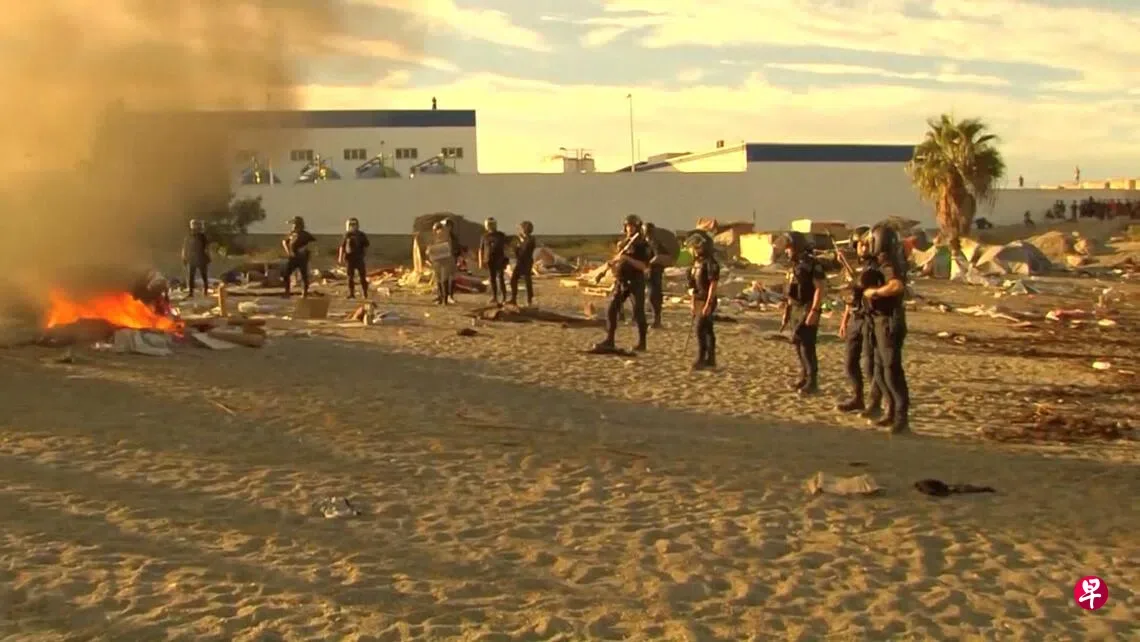
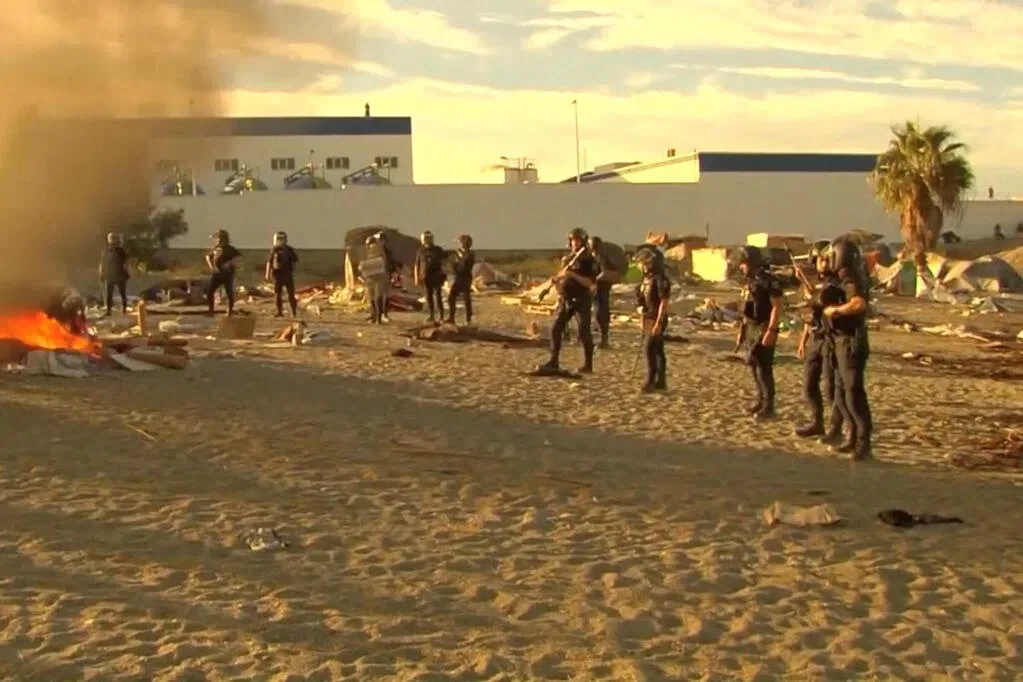
Local residents in Ceuta, a city of about 80,000 people, have protested against the migrant presence, leading to clashes with police and violence, including stone-throwing at security forces and the burning of migrant tents [1, 4, 5, 2]. On August 27, 12 migrants were arrested for stoning an army vehicle; the incident injured one soldier and four migrants, with 11 of those arrested deported [1, 5, 2]. Four Moroccans were also arrested on August 29 for similar stone-throwing attacks that injured a soldier [3].
Spanish Interior Minister Grande-Marlaska condemned all violence, saying, "Violence is not the answer. I call for calm and an end to any form of violence, because violence is not the way to resolve any problem with the complexity ... of that facing Ceuta" and urged both residents and migrants to stop violent acts [4, 5]. Juan Vivas, head of Ceuta's local government, echoed the call for legality, stating, "We totally reject the use of any kind of violence. No one can or should take the law into their own hands" [5].
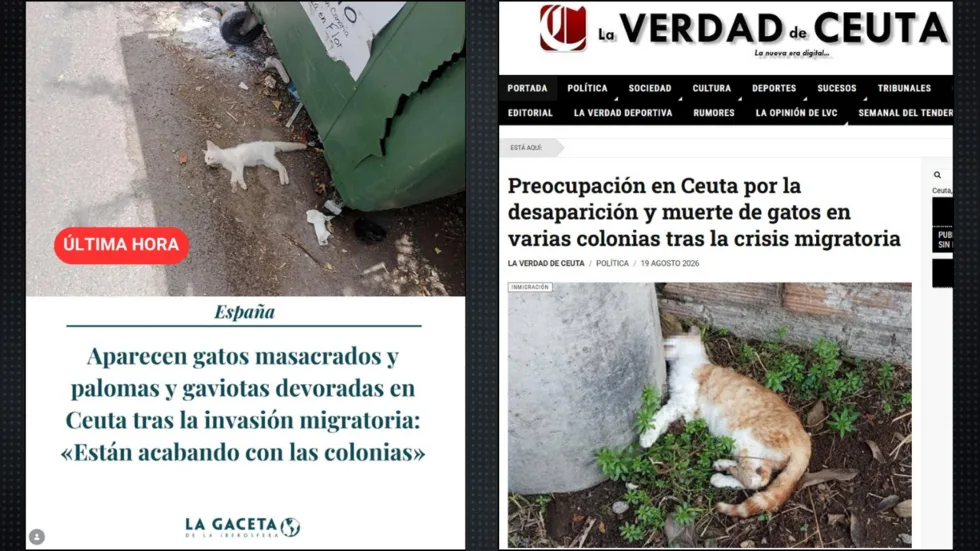
Authorities face the difficult task of identifying each migrant to determine asylum eligibility or deport them. Special protection must be given to unaccompanied minors among the migrants [5, 2]. Meanwhile, false rumors that migrants were killing and eating cats in Ceuta have been debunked; images circulated are either fake or from previous years and other parts of Spain [6].
The situation remains tense as Spain awaits EU support to bolster processing capacity in Ceuta and manage the thousands remaining after the large-scale July crossing.