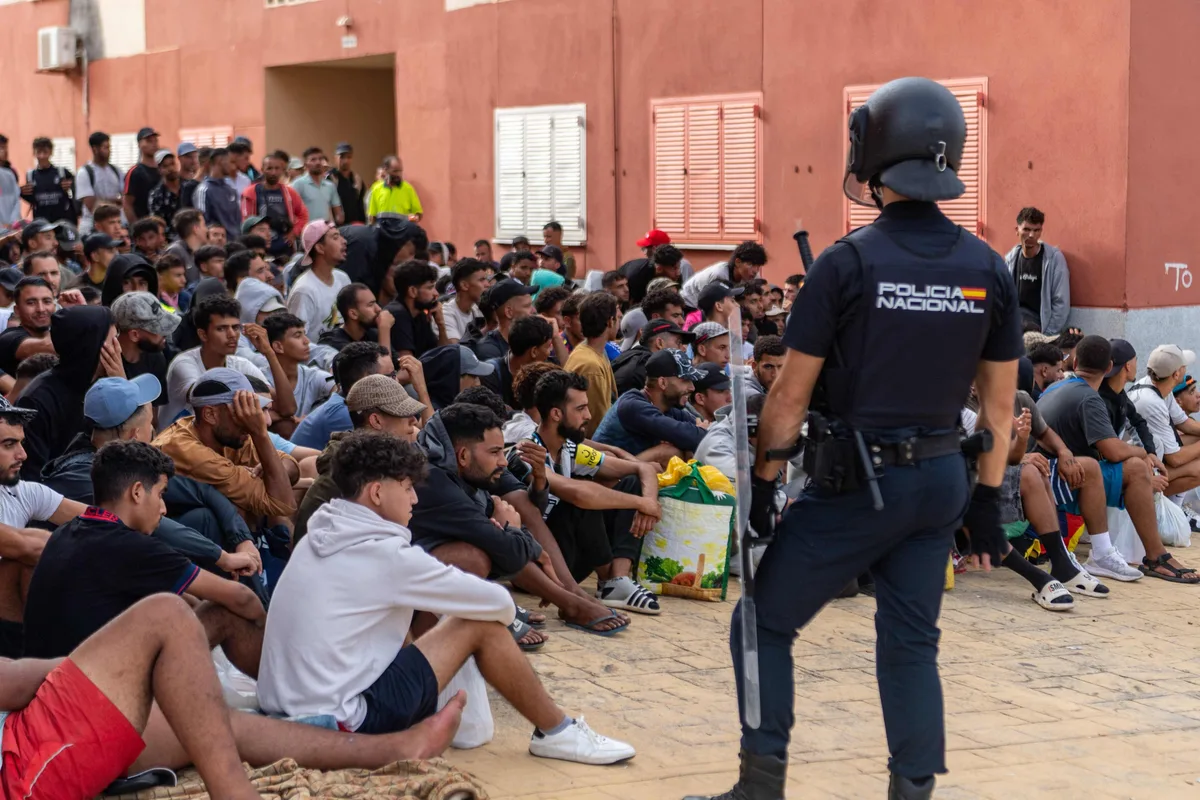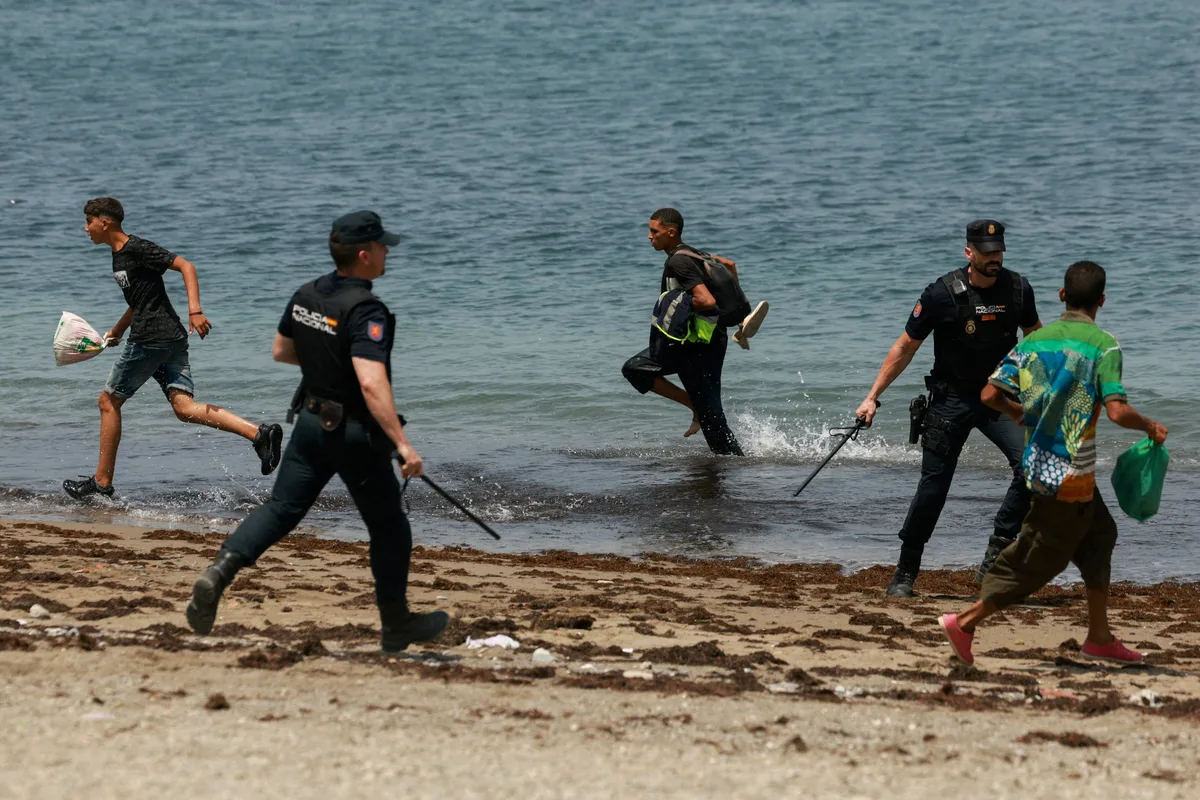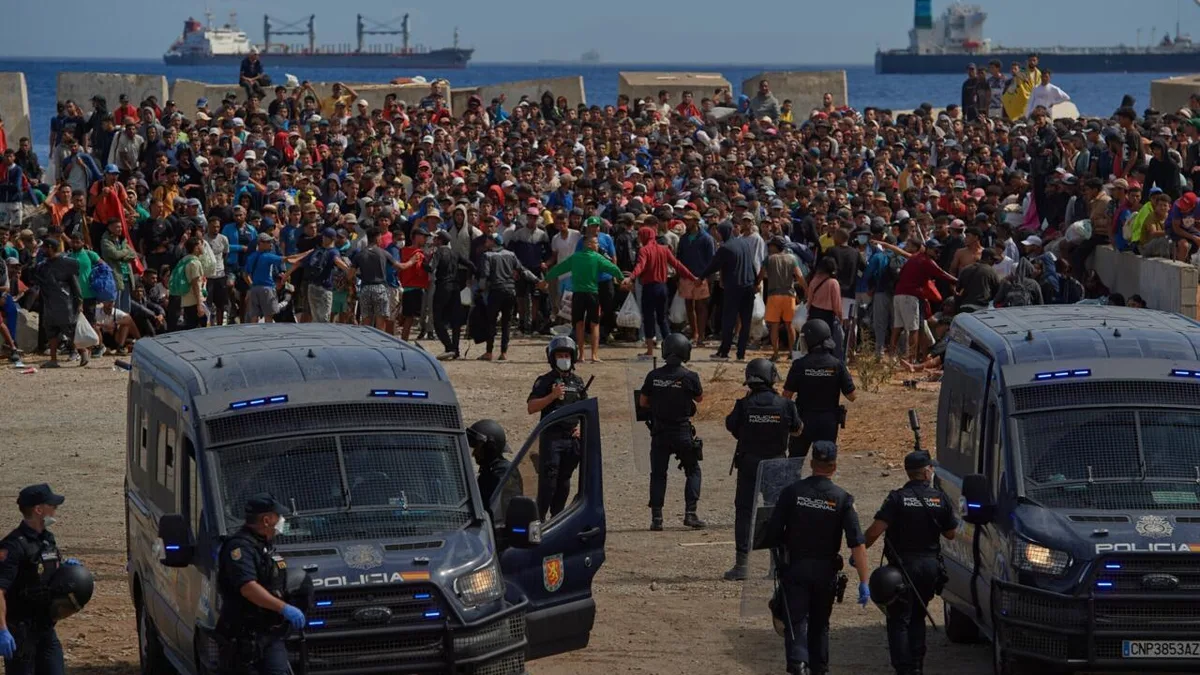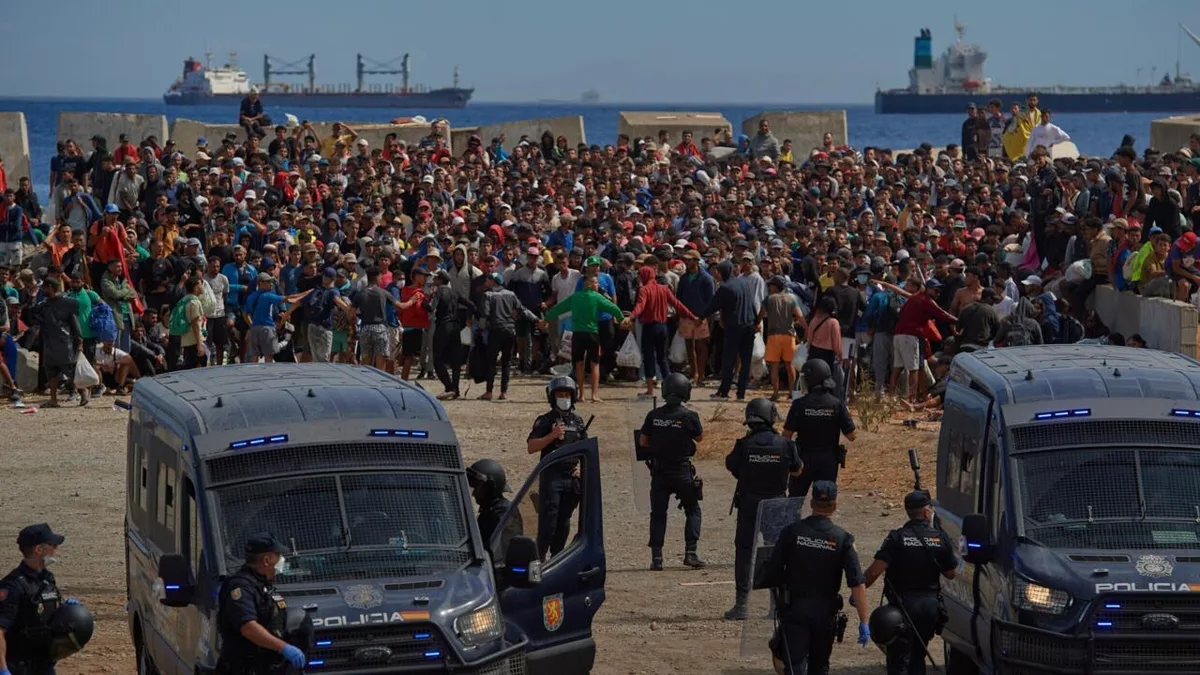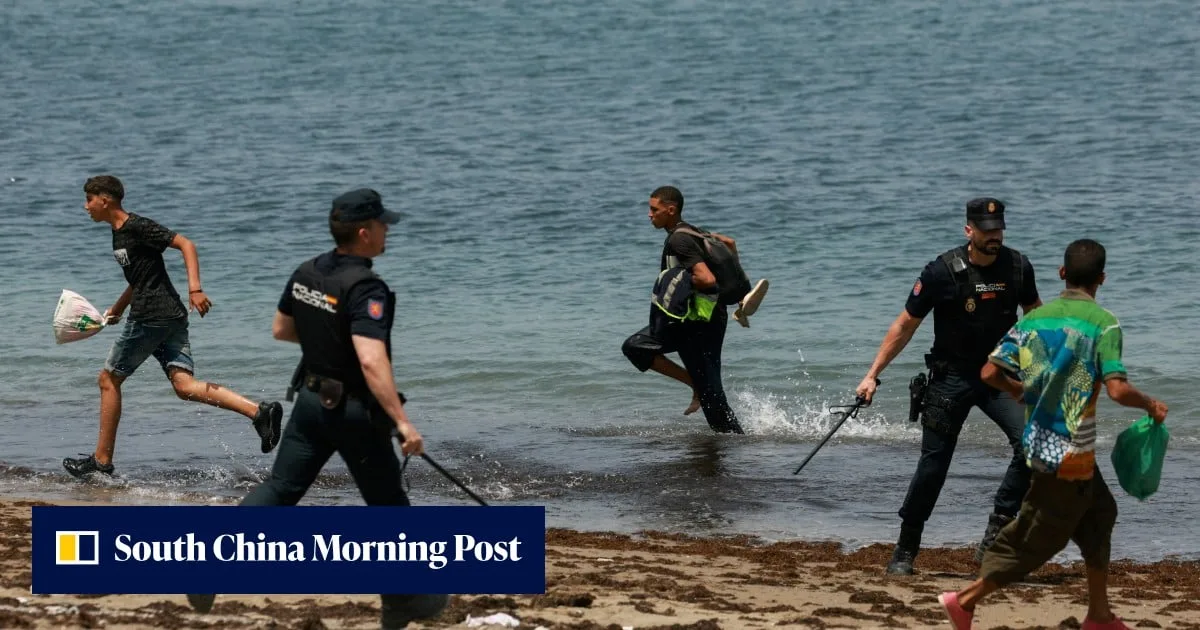
Over 72,000 migrants crossed irregularly from Morocco into Ceuta between July 30 and 31, 2026, marking an unprecedented influx at one of the European Union’s only land borders with Africa [1, 2, 3]. Local authorities reported at least 100 deaths among migrants attempting the crossing [1, 2, 4, 5].
Spanish Prime Minister Pedro Sanchez publicly denied any evidence of Moroccan authorities deliberately allowing the mass crossing. "When people talk and speculate about the participation of Moroccan authorities, I deny this outright," Sanchez said [1]. He added that no intelligence services with which Spain cooperates have suggested Moroccan involvement in the crisis [6]. He stressed that resolving the crisis requires cooperation with Morocco, not distrust: "We must be aware that this crisis can only be resolved through cooperation and not through distrust towards Morocco" [7].
The prime minister accused Russia and Israel of spreading disinformation around Spain's migration policy to criticize Madrid. "After July 30 and 31, there was a spread of rumours and disinformation, from social networks linked both to Russia and to Israel, and to an ultra-right international that always uses migration not only to attack Spain, but also to attack Europe and divide it," Sanchez said [6]. Research by the European External Action Service found Russian and Israeli networks, in conjunction with far-right groups, disseminated false messages related to the crisis [1, 8, 6, 7, 2, 4, 3, 5].
Among the disinformation was a misleading claim that a Supreme Court ruling exempted migrants arriving by sea from deportation. Sanchez noted human trafficking groups helped spread this falsehood [3]. False videos circulated on Instagram, TikTok and other platforms spreading the incorrect narrative that migrants reaching Ceuta by sea could remain in Spain, encouraging thousands to try the crossing [1, 7, 2, 4, 5].
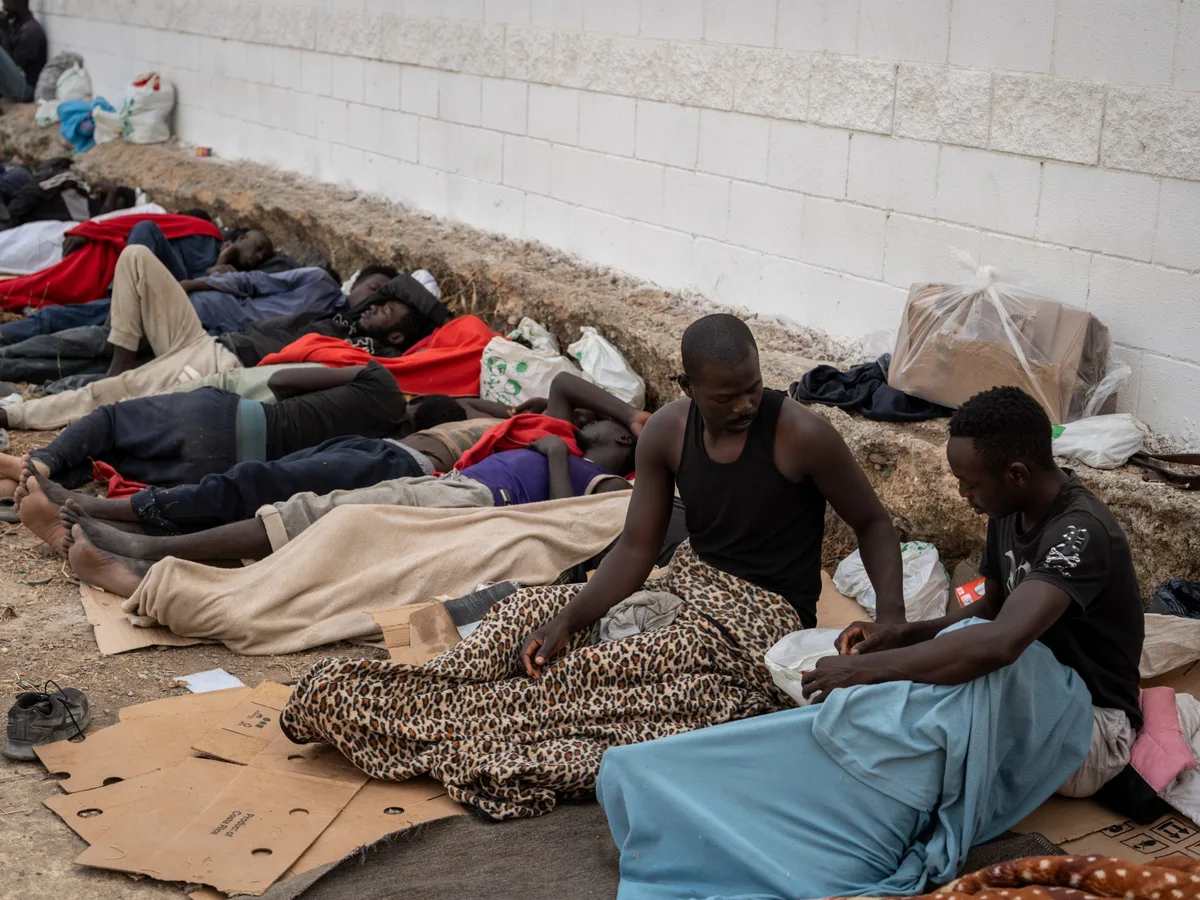
The situation in Ceuta remains tense. Thousands of migrants stayed in the enclave after the border rush, provoking protests by local residents and sporadic violent attacks on migrant camps [1, 7]. On August 30, Spanish authorities arrested three Moroccan nationals who attacked an army patrol with corrosive liquid-filled bottles, though no injuries were reported [1].
In response, the Spanish government announced a €168 million ($195 million) emergency fund to reactivate Ceuta's economy. This sum amounts to approximately 8% of the enclave’s GDP [1, 7]. Spanish officials say about 70,000 migrants have since been returned to Morocco [6, 7].