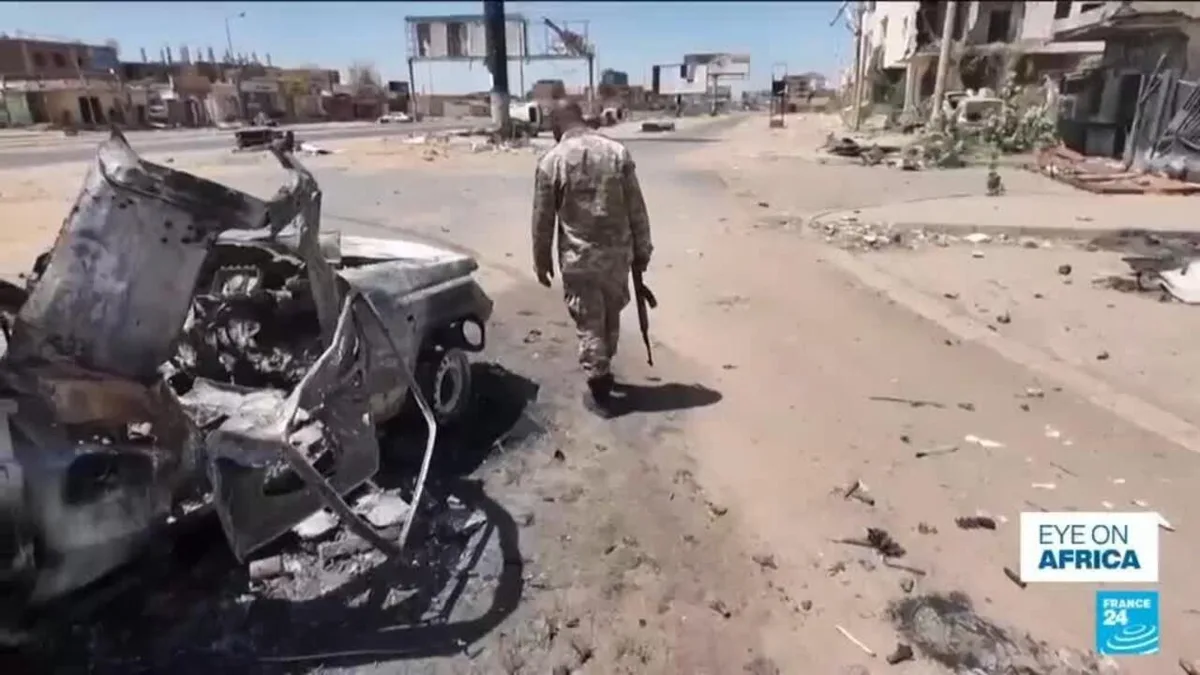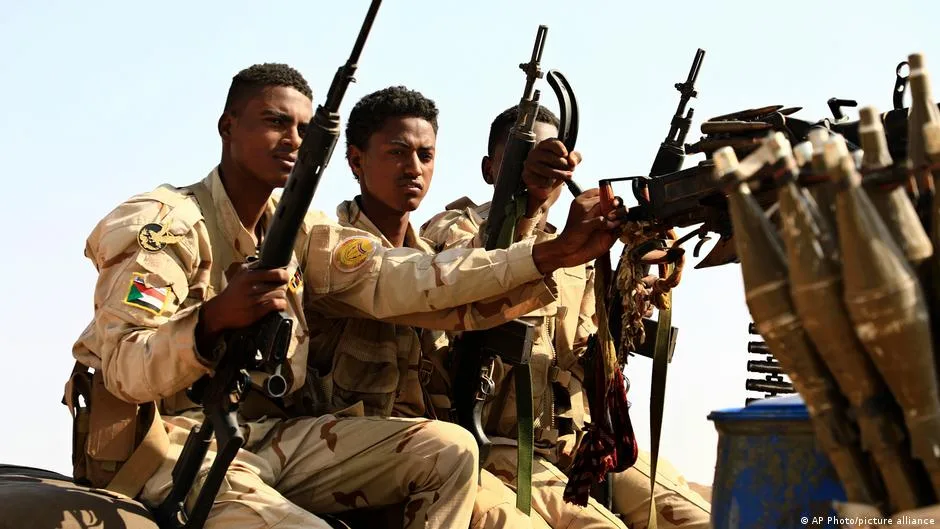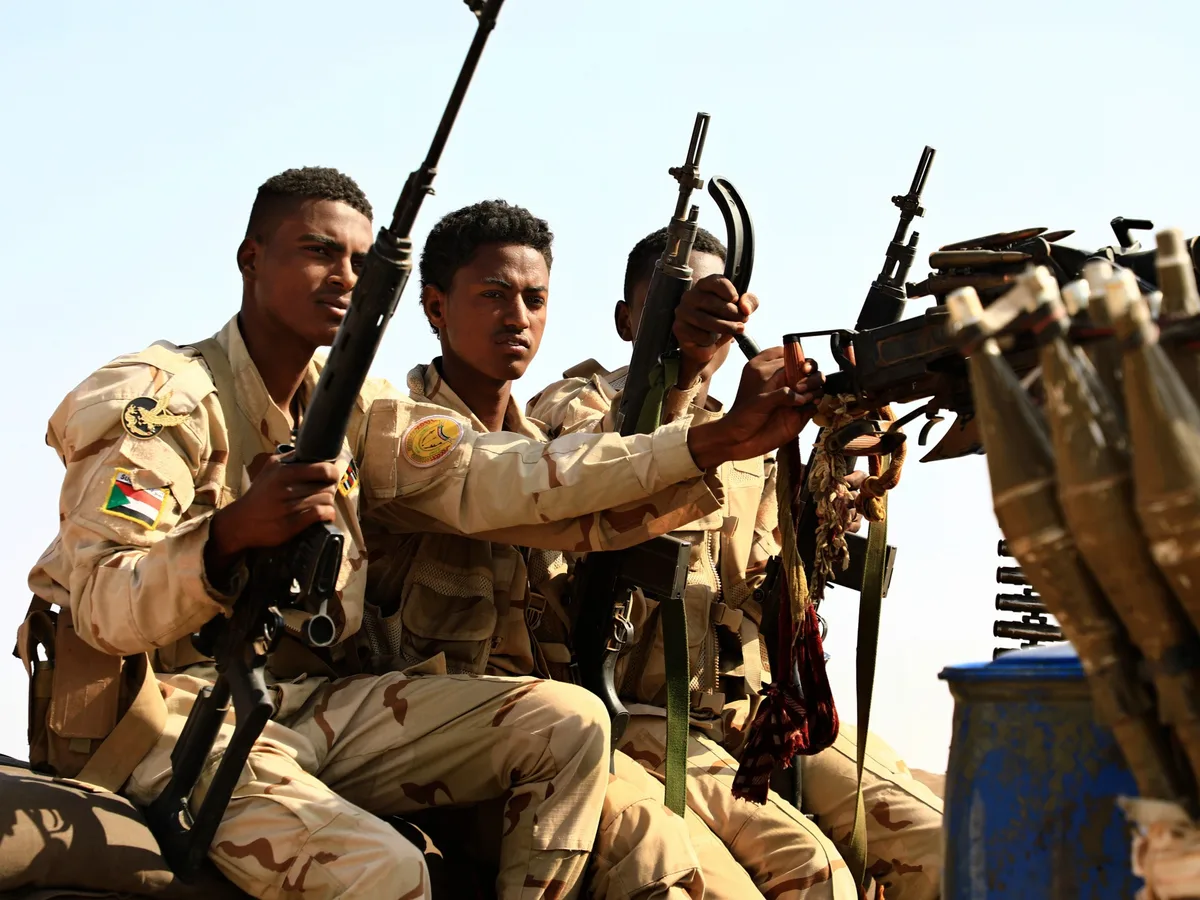
Sudan’s paramilitary Rapid Support Forces (RSF) have surrounded el-Obeid in North Kordofan as they prepare for a possible ground assault to retake the city, officials and analysts said in June 2026 [1, 2, 3]. With a population of about 500,000, el-Obeid serves as a strategic logistical hub hosting a major Sudanese Armed Forces (SAF) base and airfield. It is crucial for troop movements linking central Sudan, Khartoum, and western Darfur [1, 2, 3].
The city has been under SAF control since February 2025, while the RSF holds parts of Darfur and southern Sudan following the outbreak of conflict in April 2023 after a split between generals Abdel-Fattah al-Burhan (SAF) and Mohamed Hamdan Dagalo (RSF) [1, 2, 3]. RSF forces’ advancing position around el-Obeid has drawn warnings from the UN Security Council, European countries, and the United States about the imminent risk of mass atrocities [1, 2, 3].
Civil society groups, including 38 NGOs such as Amnesty International and Human Rights Watch, have urged the UN Human Rights Council to act immediately to prevent atrocities and hold those responsible accountable. An open letter issued on June 26 called for urgent measures amid fears sparked by RSF’s buildup around the city [3].
The RSF’s past actions have drawn international condemnation. In October 2025, the RSF assaulted el-Fasher in Darfur with atrocities described by the UN as bearing "hallmarks of genocide" [3]. Hager Ali, a researcher at the GIGA Institute, said el-Obeid’s capture would provide the RSF with a strategic forward operating base to launch drones and benefit from its urban infrastructure and gum arabic trade. She noted, "If the RSF managed to retake el-Obeid, they would not only profit from its urban infrastructure and lucrative gum arabic trade but they could also use the city as a strategic forward operating base for launching drones" [1].
Both SAF and RSF have increasingly used drones as weapons, causing over 1,000 civilian deaths between January and May 2026 alone, according to the UN human rights agency [1, 2]. Ali added that the upcoming rainy season beginning in July may affect drone combat trajectories, stating, "If the RSF want[…], the trajectory of combat drones becomes less predictable with the beginning of rainy season in July" [2].
The war has displaced over 14 million people inside Sudan and neighboring countries, with the death toll estimated between 40,000 and 250,000 [1, 2]. Khartoum has accused the United Arab Emirates of supplying arms to the RSF, allegations the UAE denies despite some international reports suggesting involvement [3].
The next major phase of this conflict will revolve around RSF's planned offensive to retake el-Obeid in the coming days, a move that has put international observers on high alert for potential widespread violence and civilian harm [1, 2, 3].