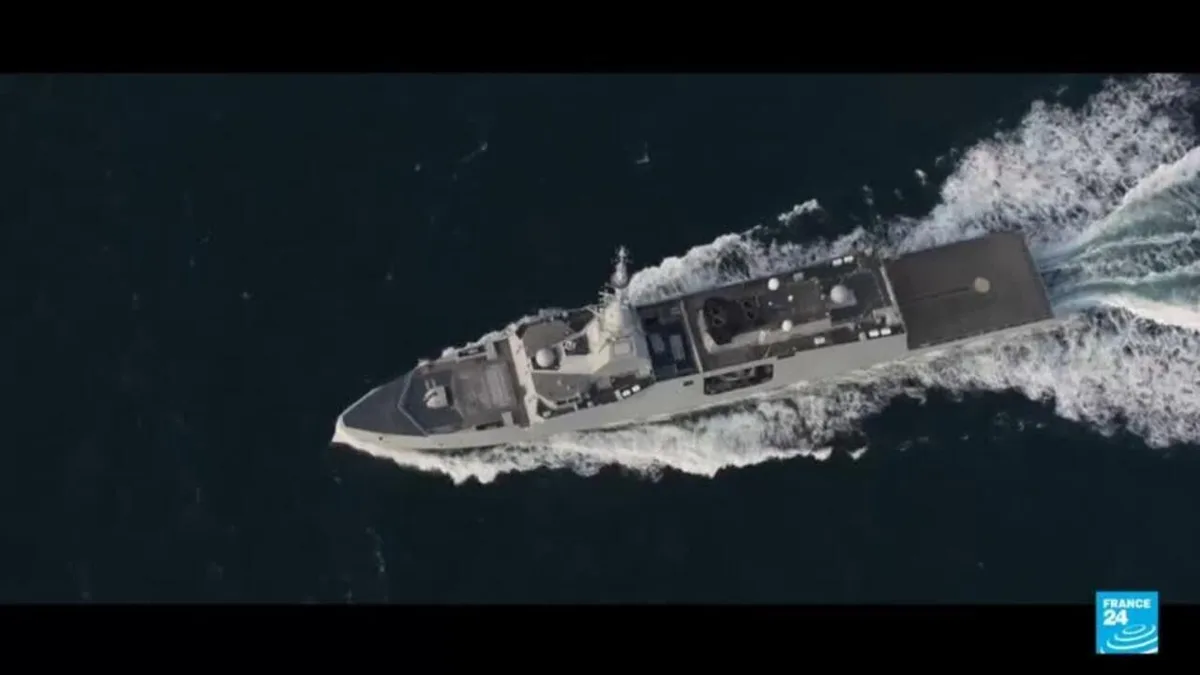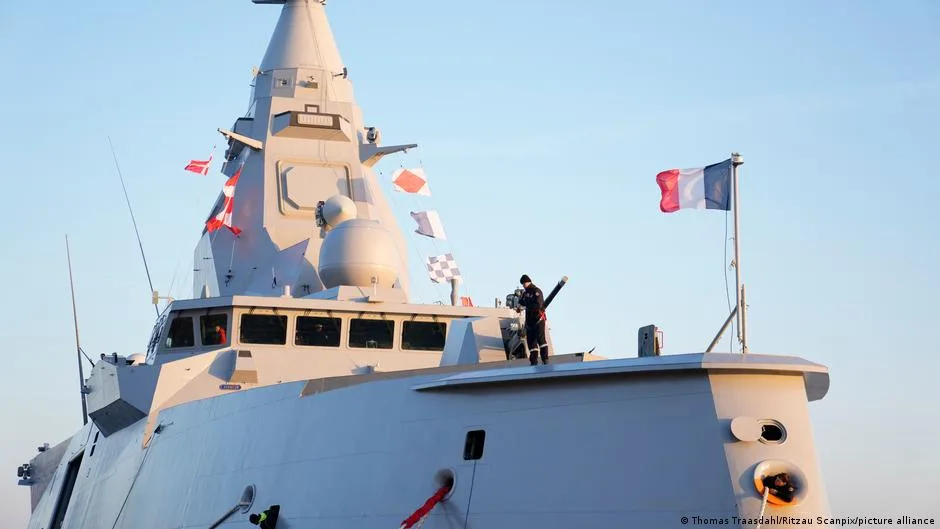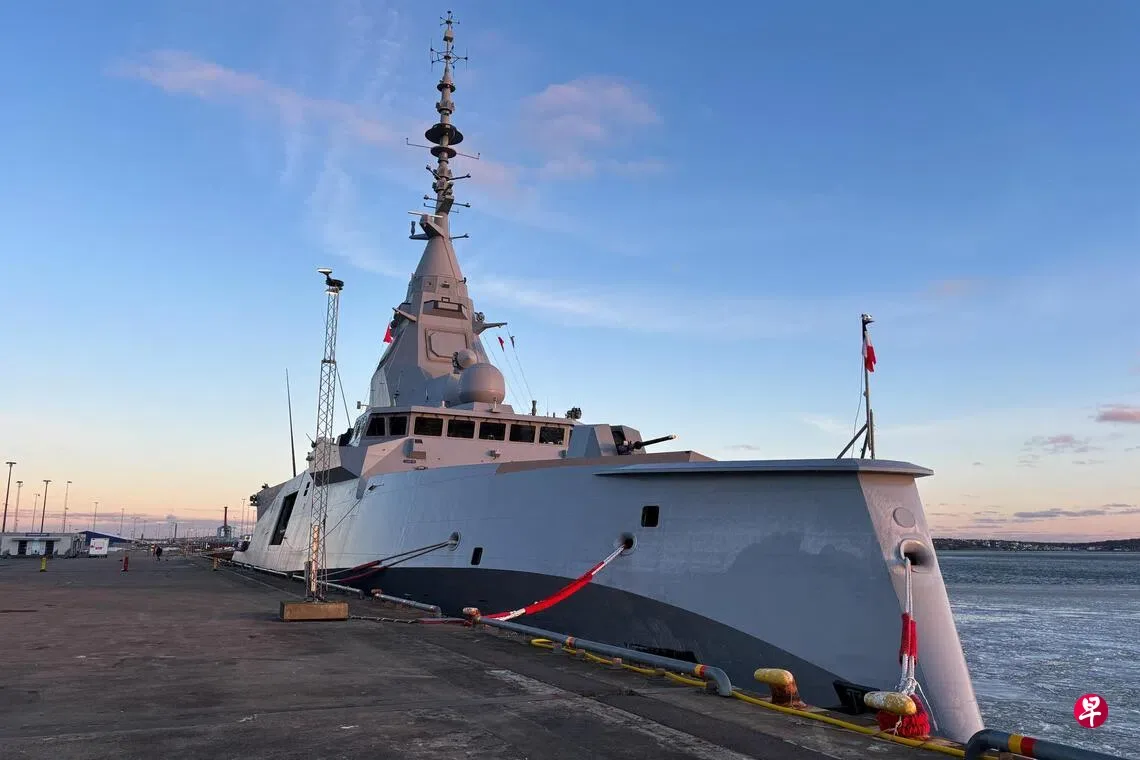
Sweden announced on May 19 that it has decided to buy four new FDI-type frigates from France's Naval Group to boost its naval and air defense capabilities significantly [1, 2, 3, 4, 5, 6]. Prime Minister Ulf Kristersson called the deal one of Sweden’s largest military investments since introducing the Gripen fighter jet in the 1980s and said it will triple the country’s air defense capacity [1, 2, 3, 4, 5]. He added, "Based on that analysis, the government has now decided that Sweden will purchase four new frigates in a very large international defense-industrial deal" and called the decision a contribution to making the Baltic Sea safer [2, 4].
The total cost is estimated at about 40 billion Swedish kronor (around 5.45 billion Singapore dollars), with around 10 billion kronor per ship, though final prices may change depending on weapons configuration [1, 3, 4, 5, 6]. Delivery of the first frigate is expected by 2030, with the remaining three to follow approximately one per year until 2035 [1, 2, 3, 4, 5, 6].
The FDI frigates will have advanced multi-role capabilities, including air defense, ballistic missile defense, anti-submarine warfare, and surface combat [3, 6]. They will be equipped with new systems such as the Sea Fire radar with a 300-kilometer detection range, Aster 30 and CAMM-ER missiles, and RBS 15 anti-ship missiles [6]. The vessels will displace about 4,500 tons, roughly triple the crew capacity of the current Visby-class corvettes [3, 5, 6]. Defense Minister Pal Jonson said the ships will be outfitted to use Swedish-developed weapons, including those from Saab [2, 6].
Sweden selected the FDI frigate design over rival bids from a Swedish-Babcock consortium and Spain’s Navantia [6]. The procurement aims to strengthen Baltic Sea security and enhance defense as Sweden integrates into NATO after Russia's invasion of Ukraine [1, 2, 3, 4, 5, 6].
Some Swedish experts have criticized the purchase, warning that large frigates are high-value targets in wartime and suggesting investment in smaller vessels and land-based long-range air defenses instead. Professor Hans Liwång said, "巡防艦對敵方來說是非常有價值的目標,戰時通常會首先遭受攻擊,瑞典應該購入小一點的艦艇,以及陸地型、長程的防空系統。" (Patrol vessels are very valuable targets to the enemy and usually attacked first during wartime; Sweden should acquire smaller ships and land-based long-range air defense systems) [3, 5].
The first of the four frigates is expected to be delivered in 2030, with subsequent ships arriving annually through 2034. This will mark a significant step in upgrading Sweden's naval defense capabilities amid regional security challenges [1, 2, 3, 4, 5, 6].