Syria began destroying remnants of a clandestine chemical weapons program dating back to the Assad era on September 3, 2026, officials announced at the United Nations Security Council [1, 2, 3, 4]. The materials being destroyed include raw materials, munitions, and category-three chemical weapons munitions, which are unfilled devices and equipment used to release chemical agents [1, 2].
The Organisation for the Prohibition of Chemical Weapons (OPCW) confirmed its verification of the destruction, marking the first time such work has been verified on Syrian soil since 2014 [1, 2, 3]. As part of the effort, the OPCW oversaw the irreversible destruction of 42 aerial bombs capable of delivering chemical weapons [1, 2].
Syria's ambassador to the UN, Ibrahim Olabi, called the operation a "historic milestone" and noted it is "the first of its kind to destroy chemical materials on Syrian territories for over a decade" [1, 2, 3]. Olabi also criticized repeated Israeli airstrikes, saying, "We cannot safeguard the security of the region if our security is exposed to attacks at the hands of Israel," accusing Israel of breaching regional security and international conventions [1].
Earlier in 2026, Syria arrested 18 suspects, including high-level military and technical officials, for their alleged involvement in the Assad-era chemical weapons program [1, 2]. However, destruction and search operations have suffered delays and hazards due to Israeli airstrikes targeting sites connected to chemical weapons, exposing personnel to danger [1, 2, 3, 4].
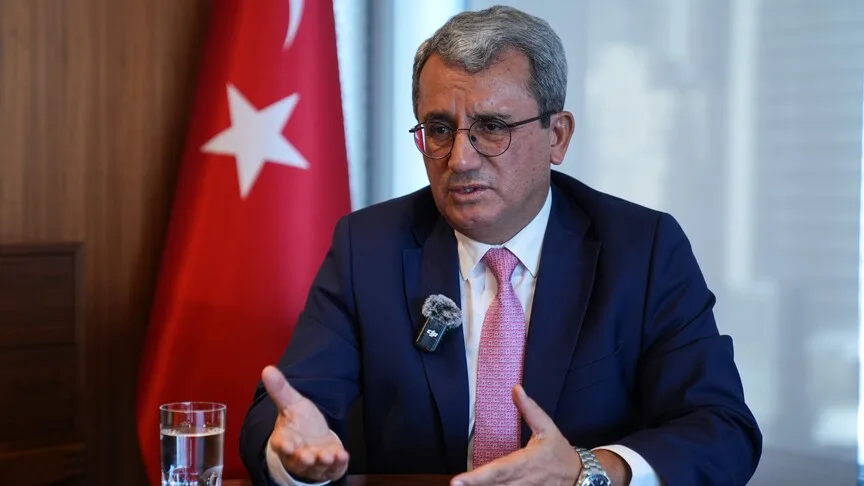
Türkiye praised Syria’s efforts and expressed support for Syrian-led disarmament carried out with the OPCW. Türkiye’s UN envoy, Ahmet Yildiz, said sustainable progress requires "practical, gradual and well-coordinated cooperation with Syria, taking into account the realities on the ground" [4]. Yildiz also warned Israeli strikes risk releasing hazardous materials, endangering civilians, and destroying evidence [4].
The destruction process began after Syrian authorities recovered these remnants in May 2026 and an OPCW team was deployed in August to verify the efforts [1, 2]. Syria now proceeds with destroying the remaining Assad-era chemical weapons materials under close OPCW monitoring.