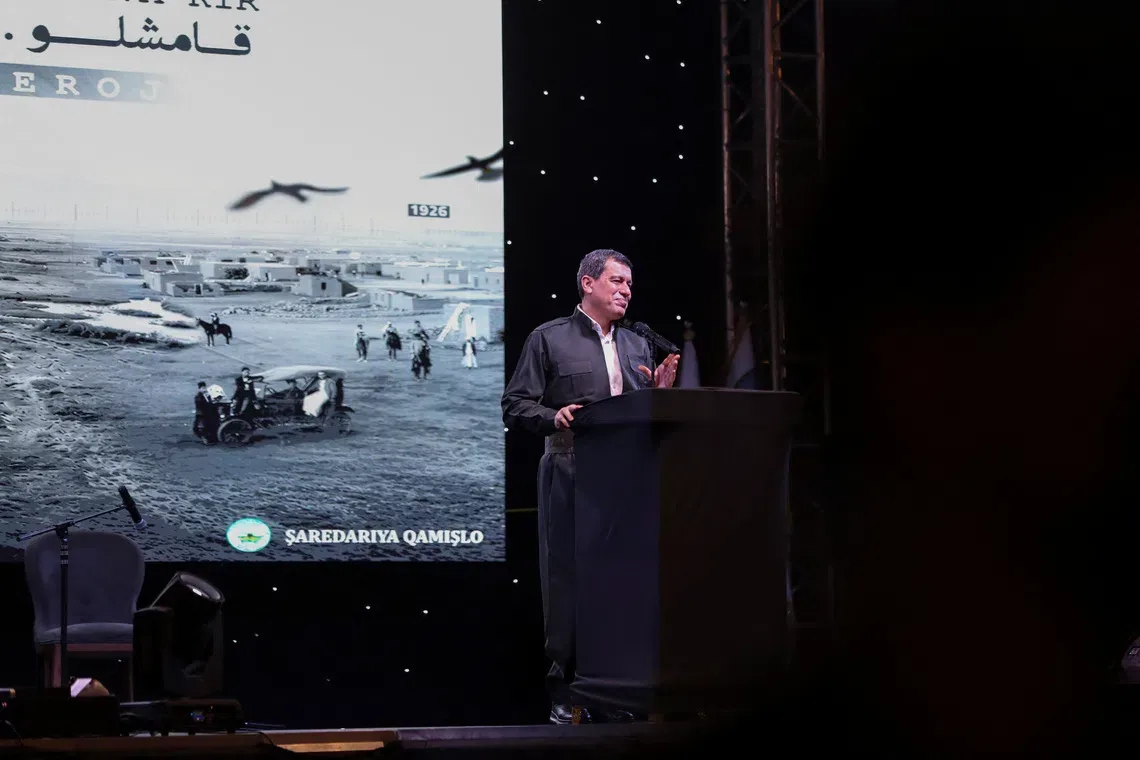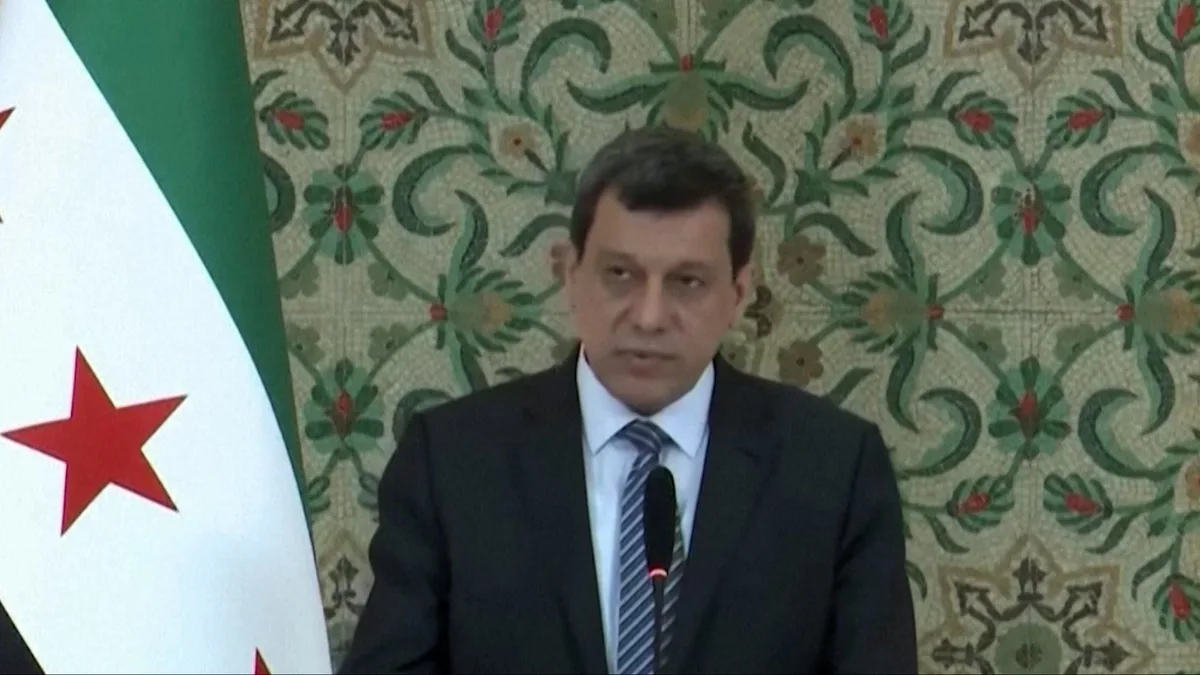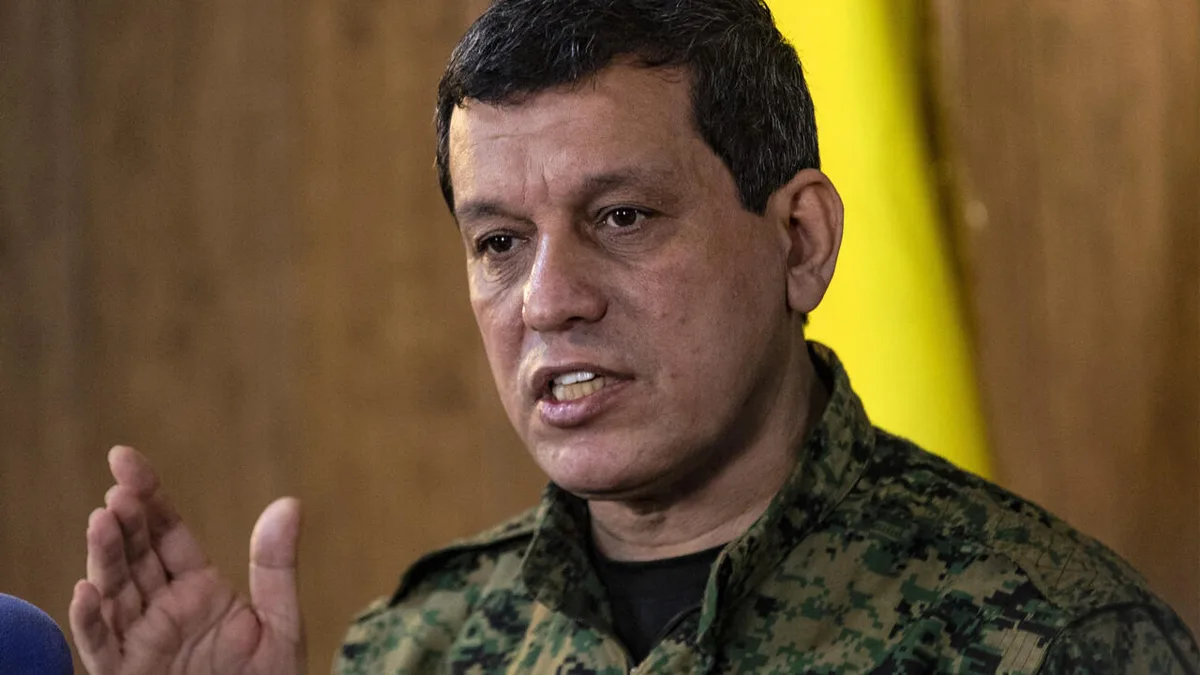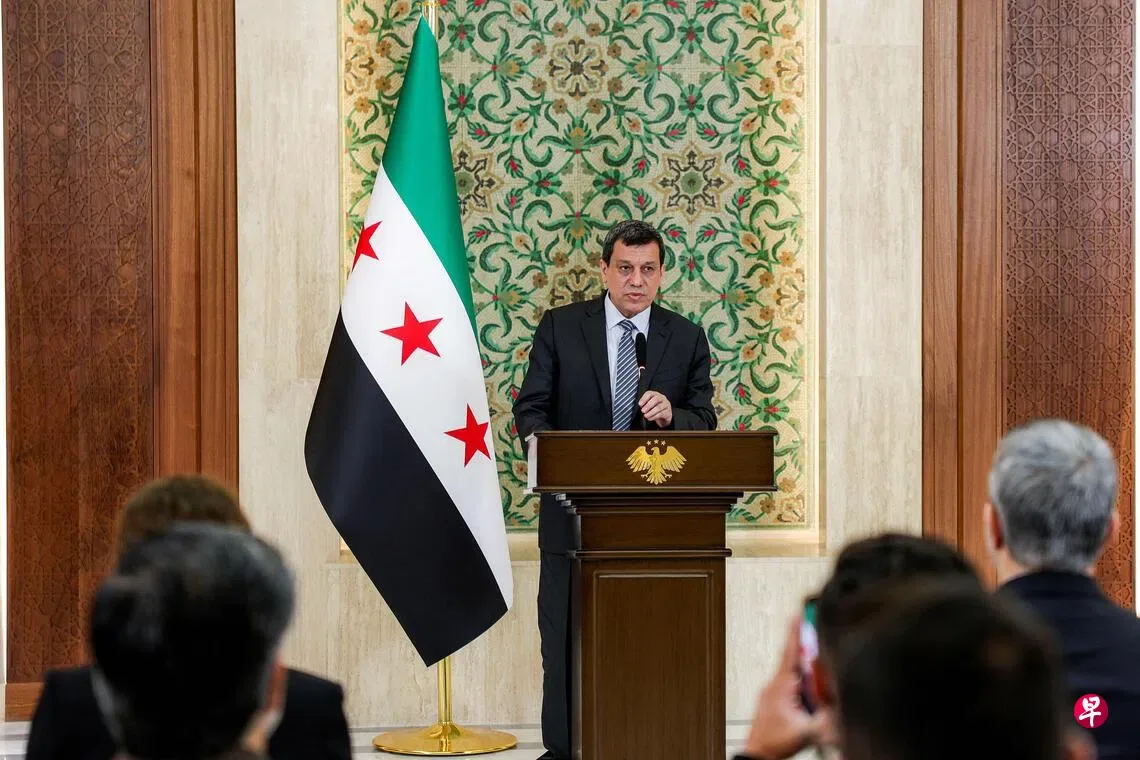
The Syrian Democratic Forces (SDF), a Kurdish-led coalition and former US-backed partner against Islamic State, announced their official dissolution as an independent military force on 25 August 2026. SDF leader Mazloum Abdi made the announcement in a televised speech from the presidential palace in Damascus, marking the formal end of the SDF’s separate command after over a decade of conflict in northern Syria [1, 2, 3, 4, 5, 6].
"We announce today the end of the mission of the Syrian Democratic Forces and declare, with full responsibility, their dissolution as an independent military force," Abdi said. He added, "We want this day to be the beginning of a true transition from the battlefields to the fields of construction, and from the era of weapons to the era of peace" [1, 4].
The dissolution follows a phased integration agreement reached earlier this year between the SDF and Syria’s interim government under President Ahmed al-Sharaa. Since January 2026, government forces launched an offensive to recapture large areas controlled by the SDF in Syria’s oil-rich northeast, leading to the ceasefire and integration deal [1, 2, 3, 4, 5, 6].
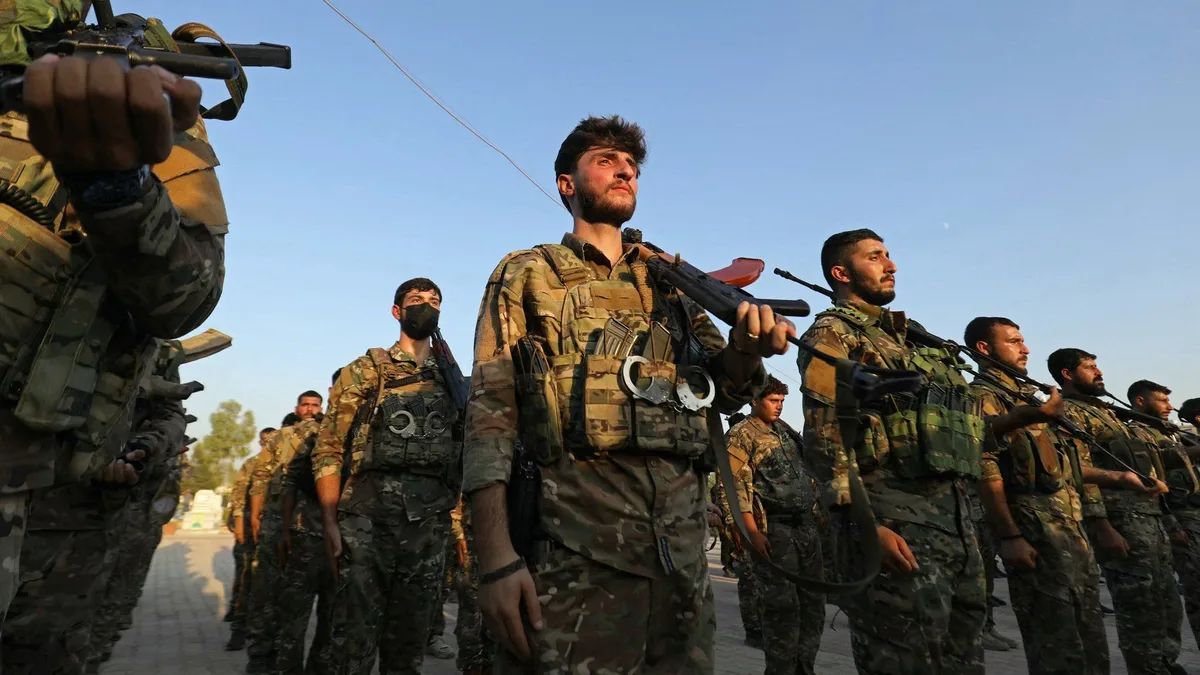
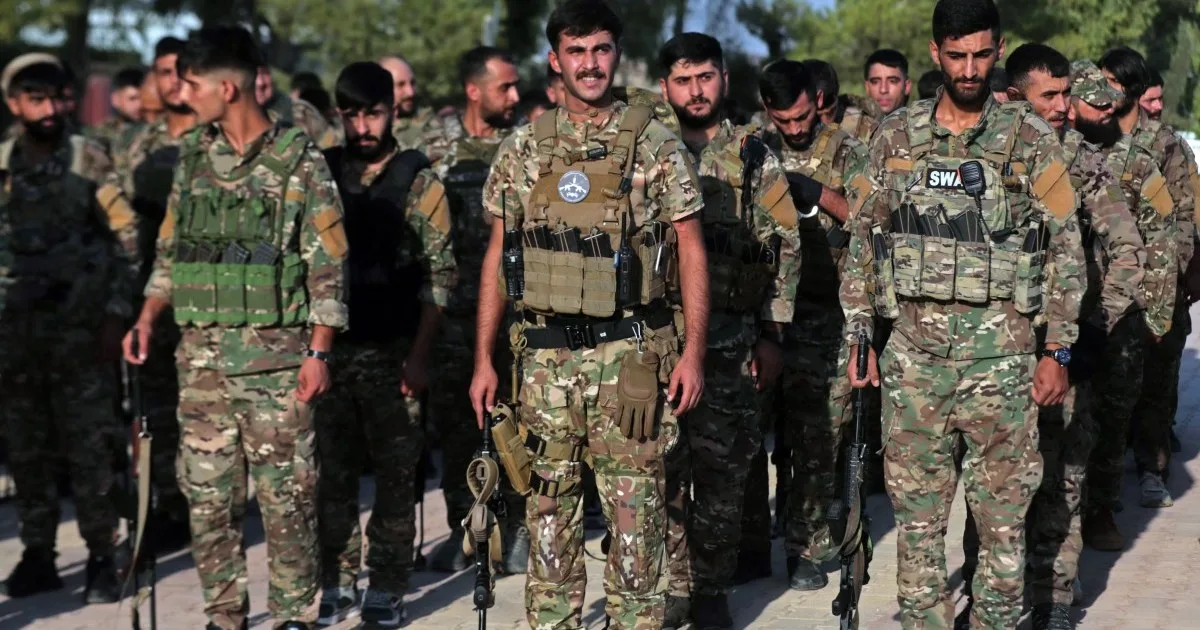
Under the deal, all SDF military units and civil institutions have been assimilated into the Syrian state’s military and government structures. The Kurdish YPG, the core SDF component, had already been integrated, with its commander named deputy defense minister for eastern Syria in March 2026 [1, 2, 3, 4, 5, 6].
Formed in 2015, the SDF grew to about 100,000 fighters composed mostly of Kurds and Arabs. The forces played a decisive role in fighting the Islamic State and controlling large parts of northeastern Syria before losing territory to government forces [2, 3, 5]. Alongside the integration, the SDF agreed to expel non-Syrian Kurdish PKK members from their ranks [5].
The political deal also includes recognition of Kurdish cultural and educational rights, including Kurdish language use in schools. Abdi stressed inclusivity in the new Syria, bringing Kurds, Arabs, Turkmens, and Assyrians together within a unified state framework [4, 5].
US Special Envoy for Syria Affairs James P. Barrack praised the integration as a diplomatic success, saying it represents "not winners and losers but former partners with different views working together to shape a diplomatic solution that strengthens Syria as a sovereign nation" [5].
The dissolution marks a major political victory for interim President Ahmed al-Sharaa’s efforts to consolidate control over Syria. The US shifted support away from the SDF and toward the Damascus government after the 2024 ouster of Bashar al-Assad, clearing the way for the current political settlement [3, 4, 5].
The SDF’s formal end came on the anniversary of its formation in 2015 and follows years of shifting alliances and conflict dynamics. With the integration process now complete, the new focus turns to rebuilding Syria’s unity and stability under the central government’s authority [1, 2, 3, 4, 5, 6].