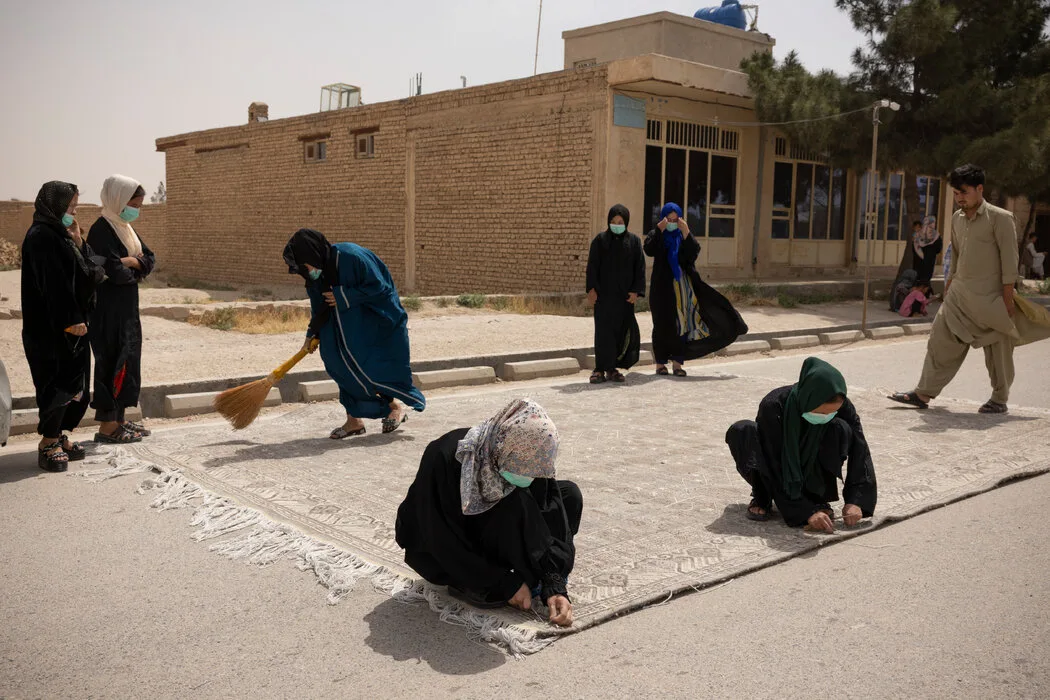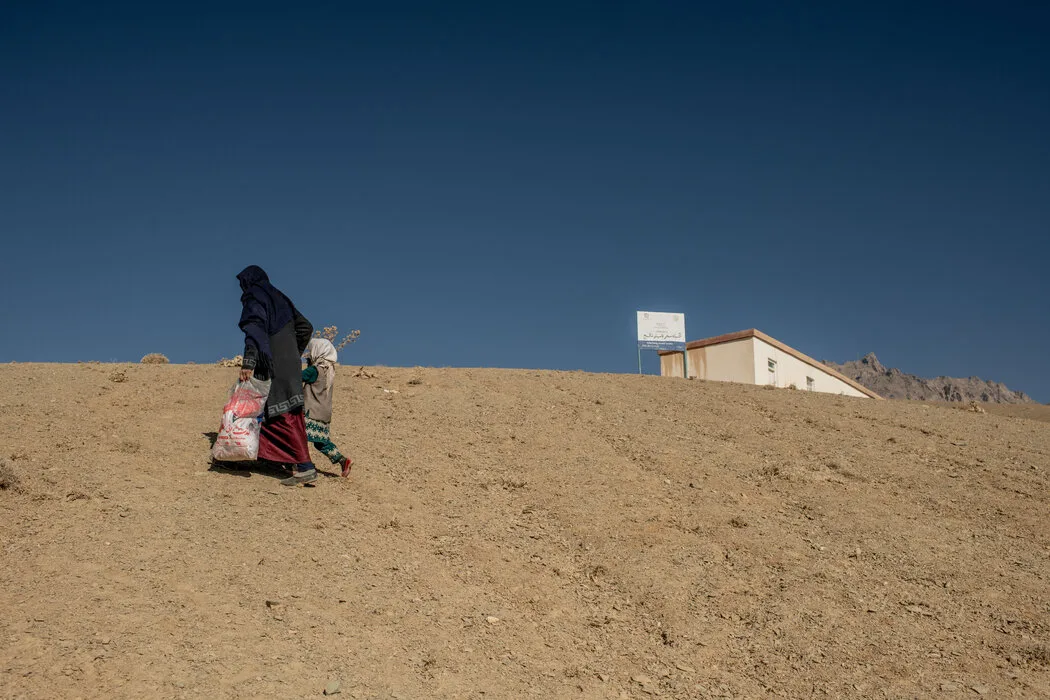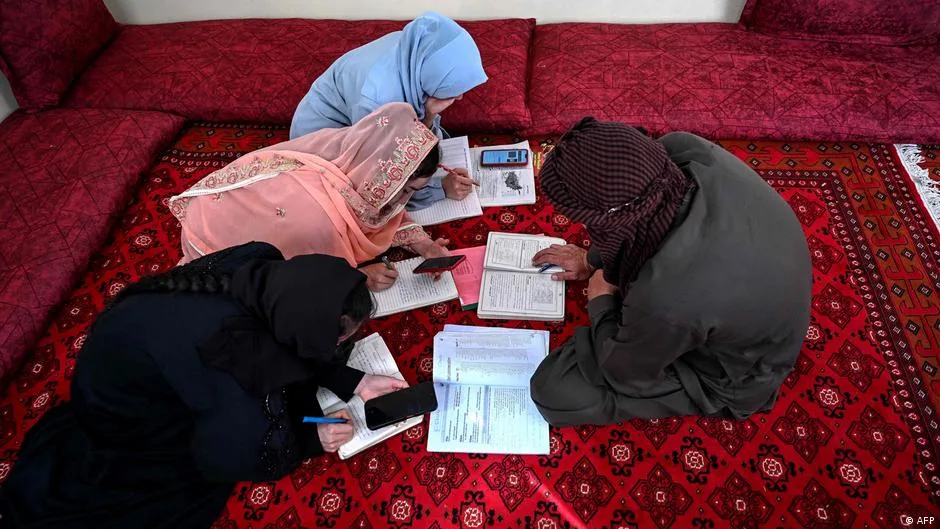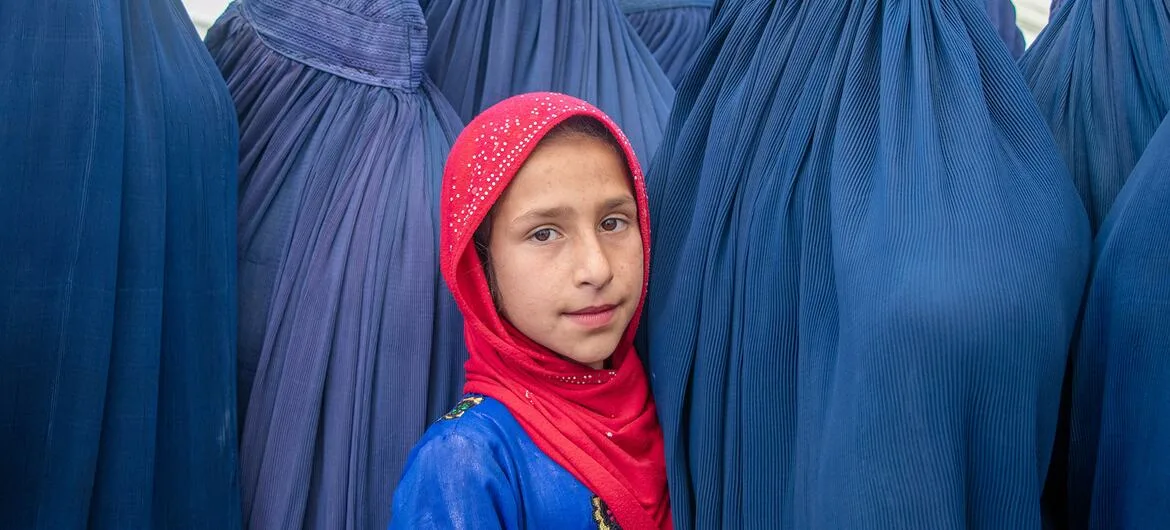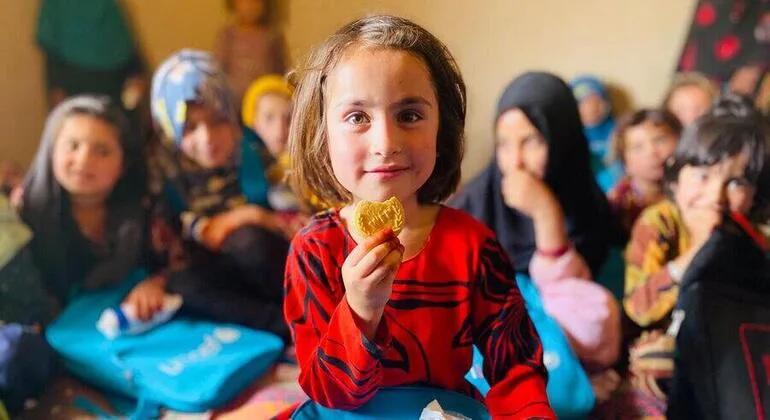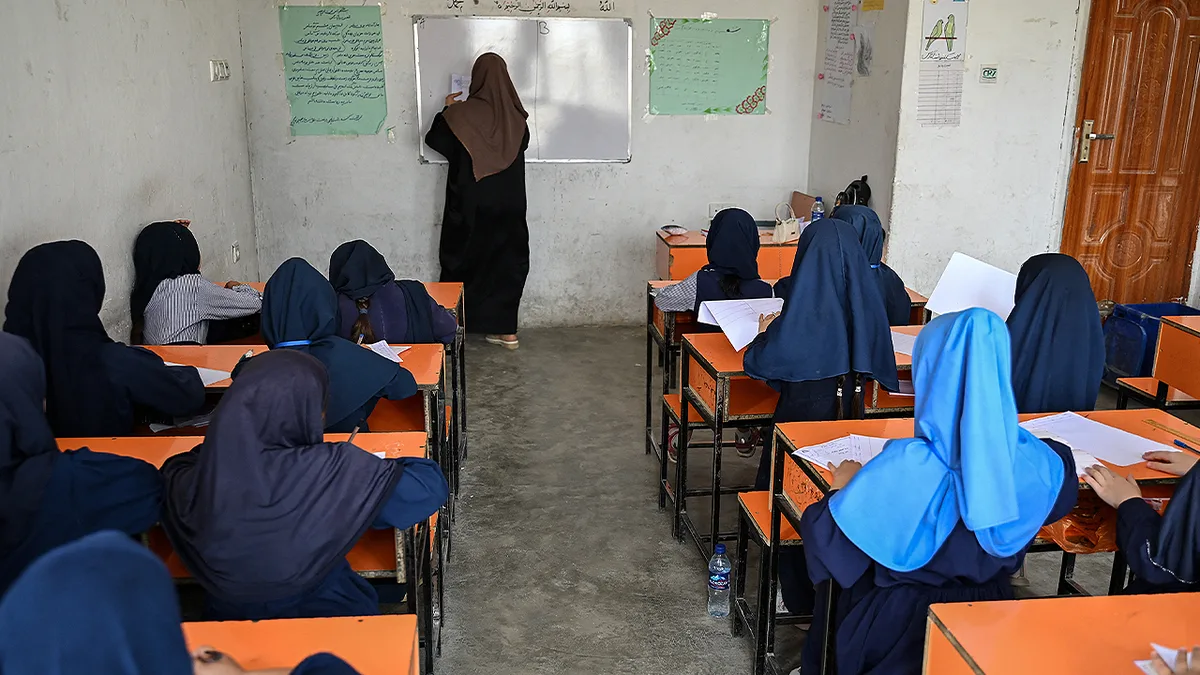
The Taliban have denied approximately 2.4 million Afghan girls access to secondary education since banning them from schools in March 2022, reversing two decades of progress in the country’s education system [1, 2, 3]. Following their return to power in August 2021, the Taliban imposed over 160 decrees restricting women and girls’ rights, including bans not only on education but also on employment, travel, dress, speech, and public presence [4].
Afghanistan remains the only country in the world that formally prohibits girls and women from attending secondary and higher education institutions [4, 1, 2, 3]. By December 2022, the Taliban extended the ban to women attending universities, further cutting off educational opportunities for females beyond middle school [1].
Before the restrictions began, nearly one million girls were enrolled in secondary school, marking a sharp increase from near zero enrollment in 2001. The education ban has erased those two decades of gains, with Hoda Jaberian, UNESCO coordinator for education in emergencies, describing the lost schooling as "almost an entire secondary school cycle" [1, 2, 3].
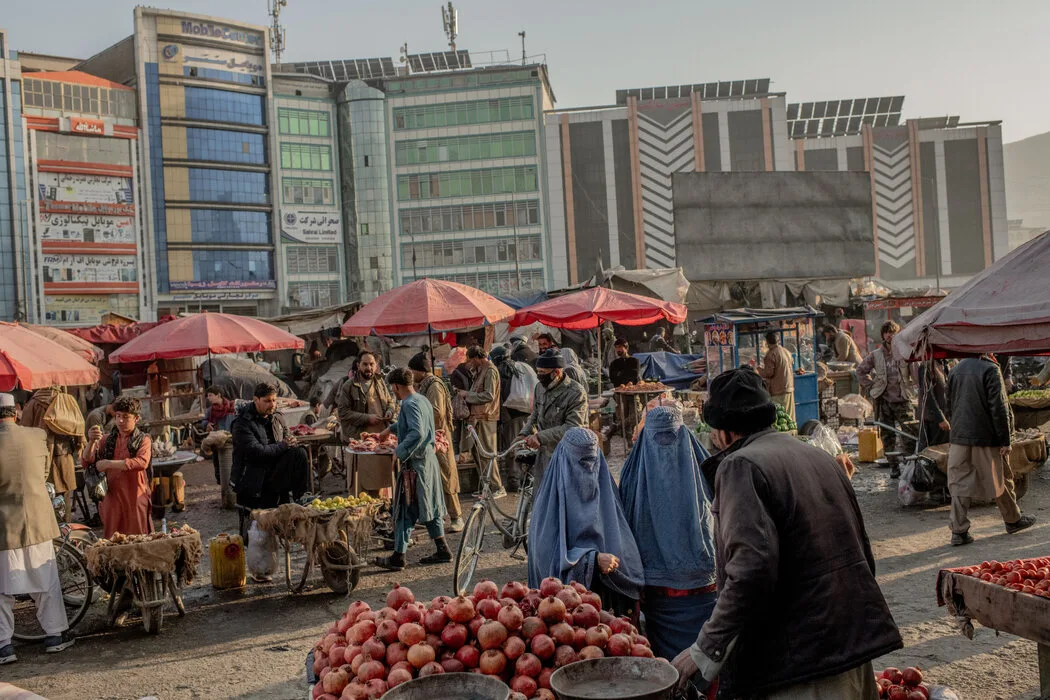
The Taliban's policies reach beyond education. Women face bans on working outside the home, using public parks, gyms, beauty salons, and traveling without a male guardian [4, 1, 3]. Surveys reveal that 90% of women must obtain male permission to leave their homes. Many women leave only once or twice per month, compared with over 95% of men who leave home daily [4]. Such restrictions have increased psychological distress, anxiety, and isolation among women [4].
Nearly half of Afghanistan’s population lives below the poverty line, and by excluding women from education and work, families face lower incomes and the national economy suffers [2, 3]. UNESCO estimates that if the secondary education ban continues, nearly 4 million girls could be excluded from school by 2030, and some 600,000 women may leave the workforce by 2066 due to lack of education [1].
Belquis Ahmadi, an Afghan human rights lawyer, said the Taliban have "turned patriarchal norms into legal obligations" and "compelled families to enforce their ideology, extending state control into private life" [4]. An official UNESCO statement said, "Women have been erased from public life, and as a new generation of girls grows without an education, their future becomes increasingly dark" [3].