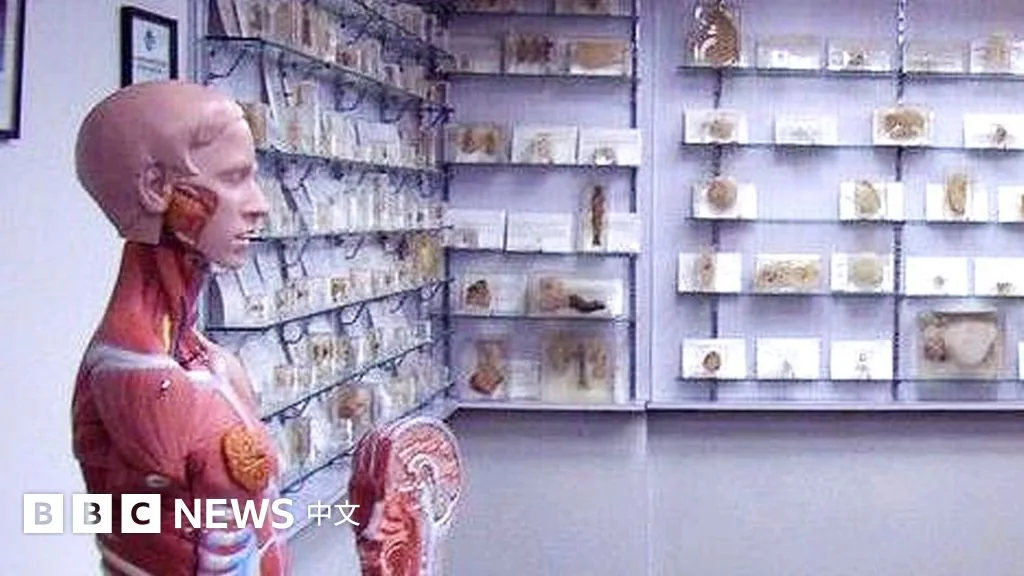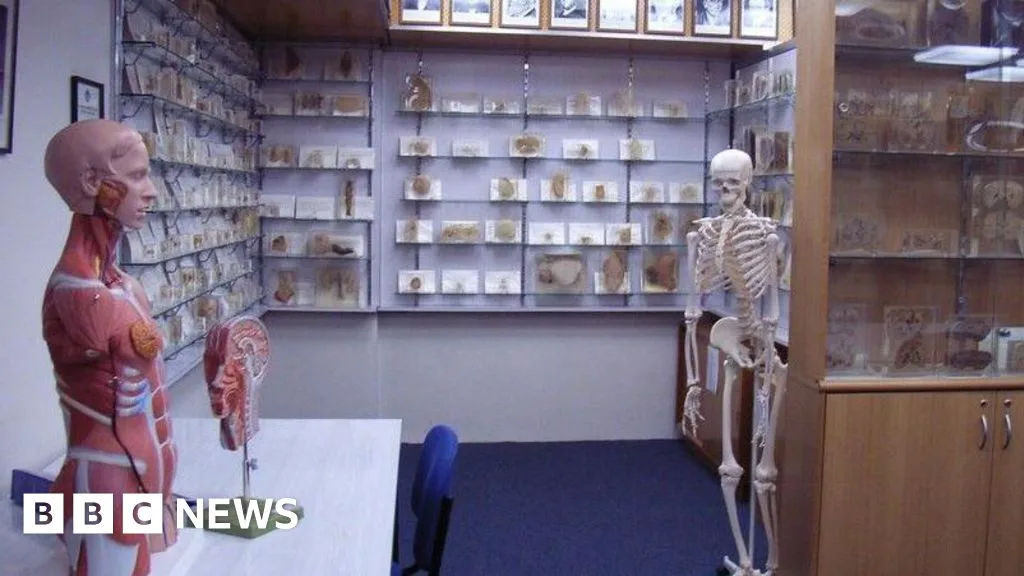
Between 1966 and 1991, pathologists in Tasmania secretly collected 177 human specimens from autopsies without obtaining consent from families or coroners. These specimens were given to the University of Tasmania's RA Rodda Museum in Hobart, where they were stored and, in some cases, displayed publicly [1, 2, 3].
The RA Rodda Museum was established in 1966 to support medical teaching and research. Concerns about the museum's collection first arose in 2016 after three bone samples were suspected to have been acquired without permission [1, 2, 3]. By 2018, the whole collection of 177 samples—comprising organs, tissues, and other remains—was removed from exhibition [2, 3].
Responding to the allegations, the Tasmanian state coroner ordered an investigation in April 2023. The findings, released in September 2023, confirmed that the specimens had been wrongfully collected and displayed. The coroner, Simon Cooper, stated that forensic pathologist Dr. Royal Cummings supplied most of the specimens. However, Cooper added that Cummings's predecessors and successors were also involved and that pathologists may have actively sought specimens for the museum [1, 2, 3].
On May 19, 2026, Health Minister Bridget Archer publicly apologized in Tasmania’s parliament. She said, "Although these historical practices ended 35 years ago, the deep impact this has had on the families and loved ones of the deceased continues to this day. It's important to remember that these were not just body parts or specimens or human remains. They were people" [1].
Family members affected by the scandal attended the apology. Cheryl Springfield expressed cautious relief, saying, "It's in the right direction, but it's not going to fix it all." John Santi said, "We buried him 50 years ago, only to find out 50 years later that these people had stolen his brain" [1].
University of Tasmania Vice-Principal for Health Affairs Prof. Graeme Zosky acknowledged the harm caused. He said in Mandarin and English, "Although we understand that an apology cannot make up for the harm and pain suffered by families, we are deeply sorry" [2, 3]. The university has begun meeting with affected families as part of its response.
The Tasmanian government's apology marks a formal acknowledgment of misconduct spanning 25 years. Authorities continue efforts to address the repercussions for family members and the medical community.
The next public update on reparations and related measures is expected later this year as discussions with families progress [1, 2, 3].