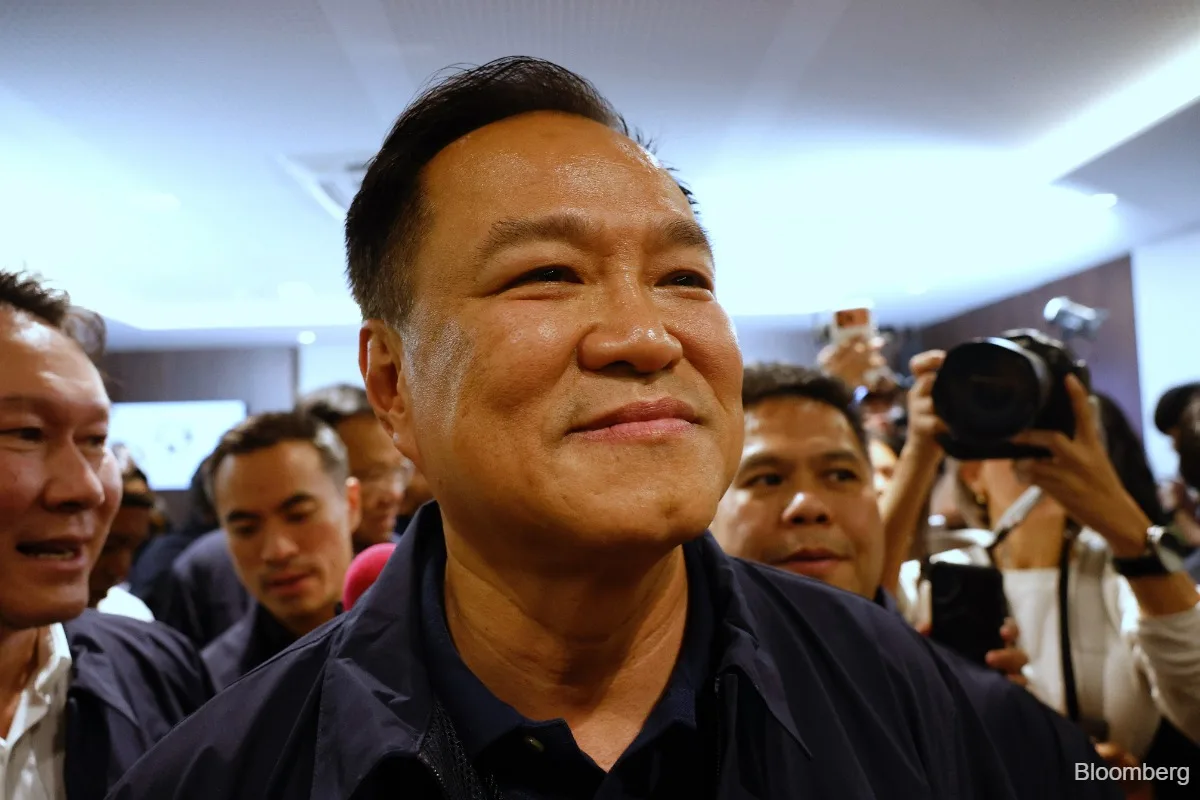
Thailand’s Constitutional Court ruled on July 9, 2026, that the government’s emergency decree to borrow 400 billion baht (about $12 billion to $15 billion) is constitutional and legal [1, 2]. The ruling clears the main legal obstacle preventing the decree from being sent to parliament for approval [1].
The emergency borrowing aims to fund household aid, consumer subsidies, and a long-term green energy transition amid economic difficulties and rising oil prices [3, 1, 2]. Around 176 billion baht of the loan supports consumer subsidy programs like the 'Thais Help Thais Plus' cash handout scheme, which began disbursing funds in June 2026 [1, 2].
The government argues the emergency loan is crucial to support energy transition efforts and to cushion the economy against the effects of the U.S.-Iran war and soaring oil costs [3, 2]. However, opposition lawmakers challenge using an emergency decree, saying clean energy projects should be funded through the normal fiscal budget and that the government’s projects do not meet the emergency loan criteria. Opposition leader Natthaphong Ruengpanyawut said, “We maintain the government does not need to issue an emergency loan decree because there is no urgency. The projects the government is trying to implement don’t fall under the scope of the emergency decree on borrowing” [1, 2].
Thailand’s economy grew 2.4% in 2025 and is forecast to grow 2.3% this year, below regional peers [2]. The stock benchmark index rose up to 1.6% following the court ruling before trimming gains [1]. Political science lecturer Olarn Thinbangtieo said the ruling “shows a consolidation of power from various actors in the establishment to usher in a transition for Thailand. This allows the government to move forward immediately with its plans” [1].
The emergency borrowing decree, originally approved by the government in May 2026, followed the February 2026 parliamentary elections, where Prime Minister Anutin Charnvirakul won a large majority [1, 2]. Peter Mumford of Eurasia Group said the court ruling provides “more certainty on short-term stimulus and fiscal support measures, which will be reassuring news for consumers and investors.”
The government will now submit the emergency borrowing decree to parliament for further approval, a necessary step to unlock the funds and continue its fiscal agenda [1].