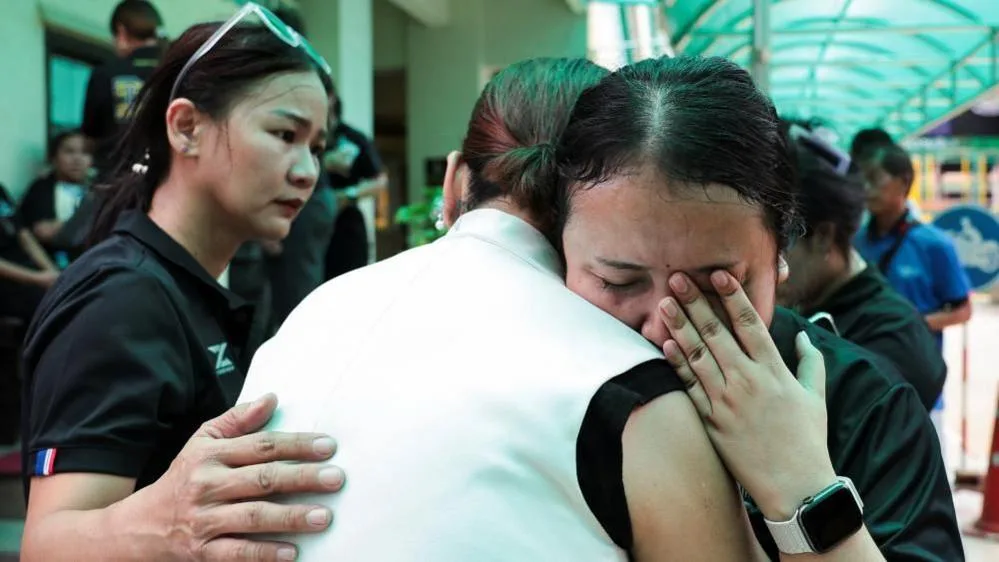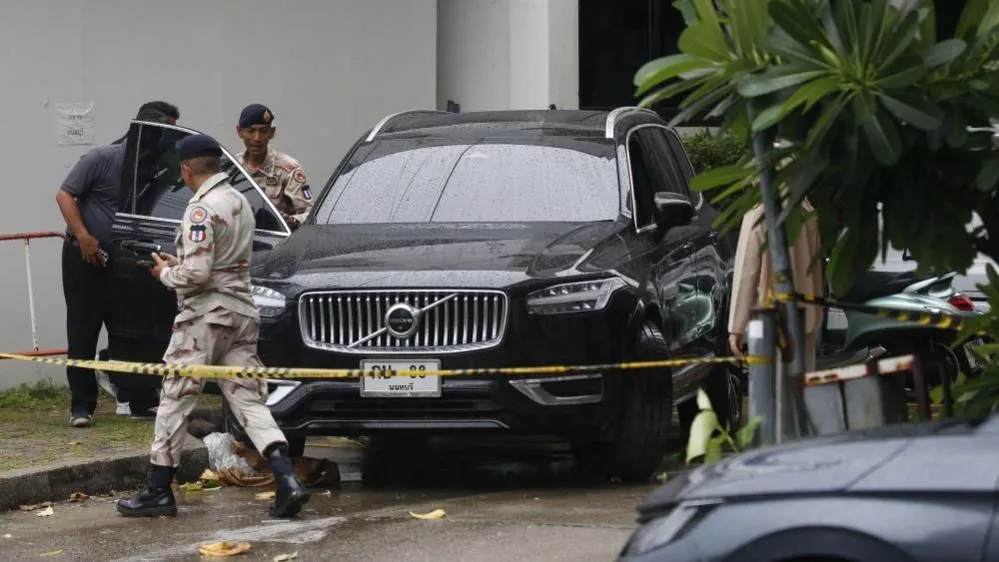
Thailand has more than 10 million civilian-owned firearms, including around 4 million unlicensed guns, making it one of Asia’s highest gun ownership rates with about 15 guns per 100 residents [1, 2, 3, 4]. Gun violence has surged after a recent school shooting by a 14-year-old killed eight people before the shooter took his own life earlier this month. Three days later, a 71-year-old ex-politician in the same province shot and wounded the local administration chief, who later died, and the chief’s driver. On that same day, a police sergeant shot his wife during an argument in Prachinburi province; she died in hospital before the sergeant shot himself [1, 2, 4].
Thailand’s estimated annual gun death toll ranges from 2,000 to 3,000, far exceeding similar population countries such as the UK, where gun deaths number below 50 annually. Domestic disputes, financial arguments, and alcohol-fueled fights are common causes of gun violence in Thailand [1, 2, 4]. Experts point to cultural tolerance of violence and the glorification of guns as status symbols. Boonwara Sumano from the Thailand Development Research Institute said, "It's very unfortunate that Thailand has a very high tolerance for violence. Guns are seen as a status symbol, and there are so many ways that civilians can get them." [1]
The country's gun laws require multiple permits for purchase, possession, and carrying, but permits last for life without mental health screening or storage regulation. Since 2009, a government program has allowed police and officials to purchase firearms at low cost, with roughly 200,000 guns imported mainly from the US each year. However, the discounted purchase scheme has faced corruption probes and is linked to the black market, worsening the illegal gun problem amid poor enforcement [2, 4].
Following the recent violence, Prime Minister Anutin Charnvirakul ordered immediate gun control measures, suspending discounted gun sales and halting new firearm permit issuances. New legislation under discussion may limit permit validity periods and offer amnesty for turning in unlicensed guns [2, 3, 4]. Despite these efforts, previous crackdowns after mass shootings, such as in 2022 and 2023, were often temporary and reversed [2, 4].
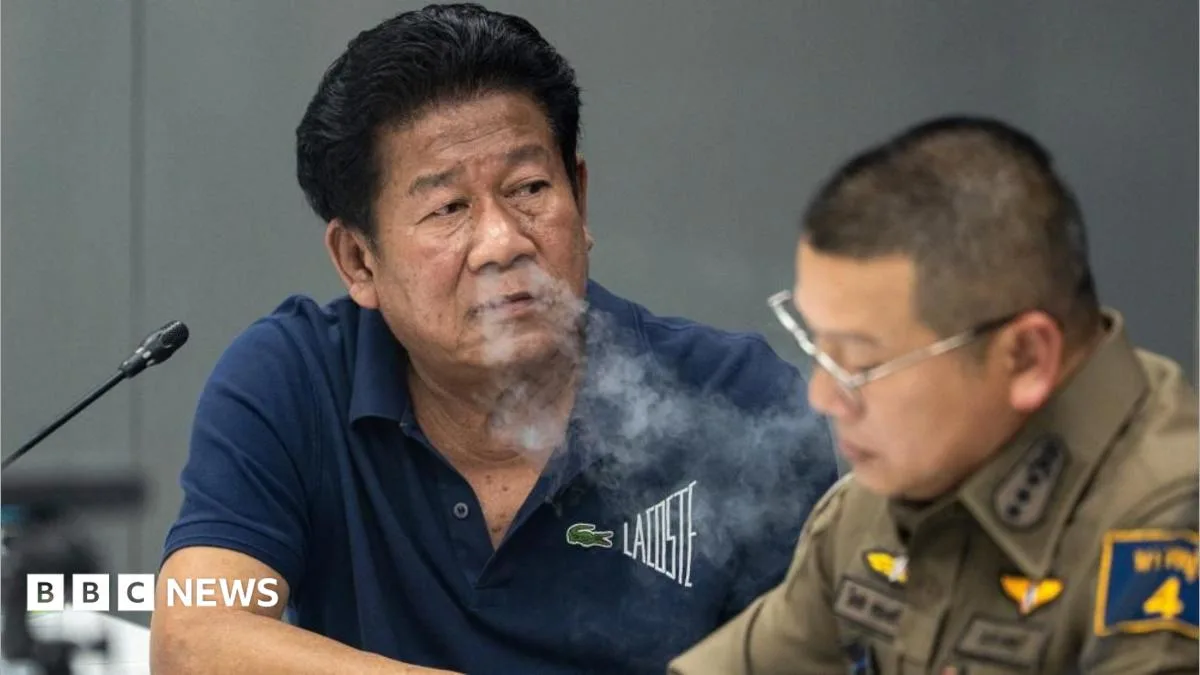
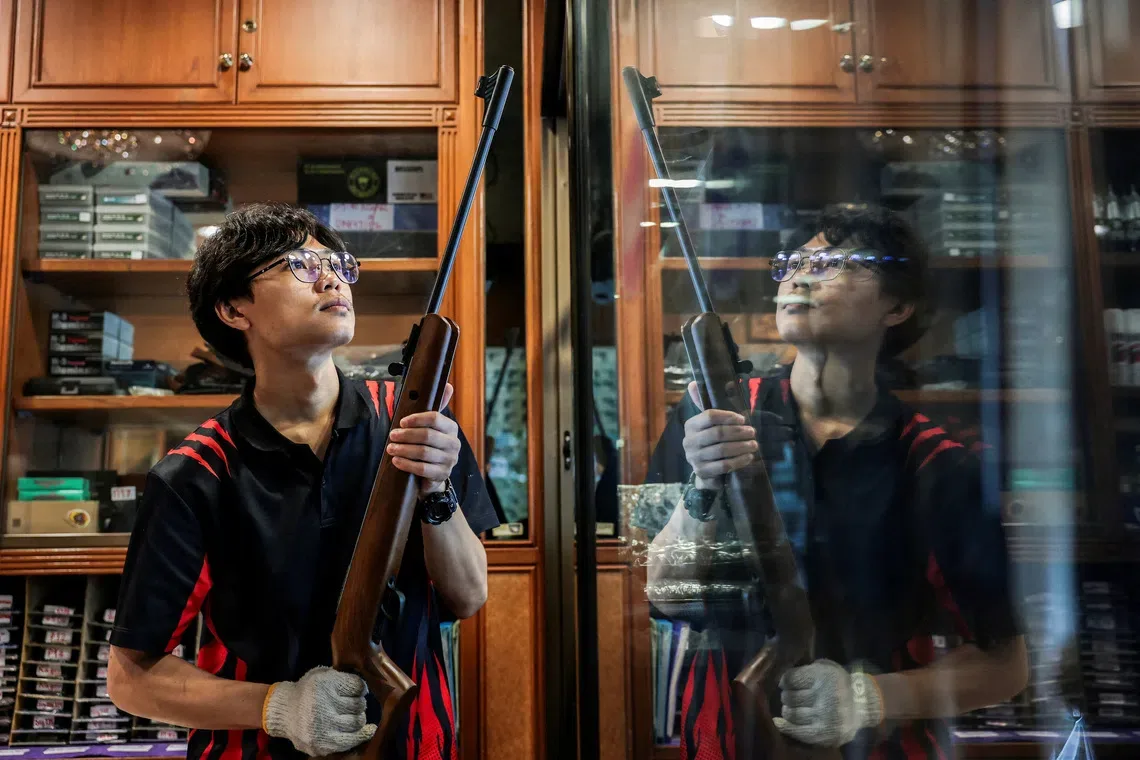
Gun shop owners and advocates warn that banning legal sales could push buyers to the black market. Thititorn Bupparamanee, president of the Firearms Traders Association, said, "They are not fixing the problem at the right places, because if they did, there would be less crime. The ban on purchasing legal guns may force some to turn to the black market." [3] Yod, a gun owner, added, "Most gun crimes in our country involve illegally obtained firearms. New regulations on legal guns are not a good solution." [2]
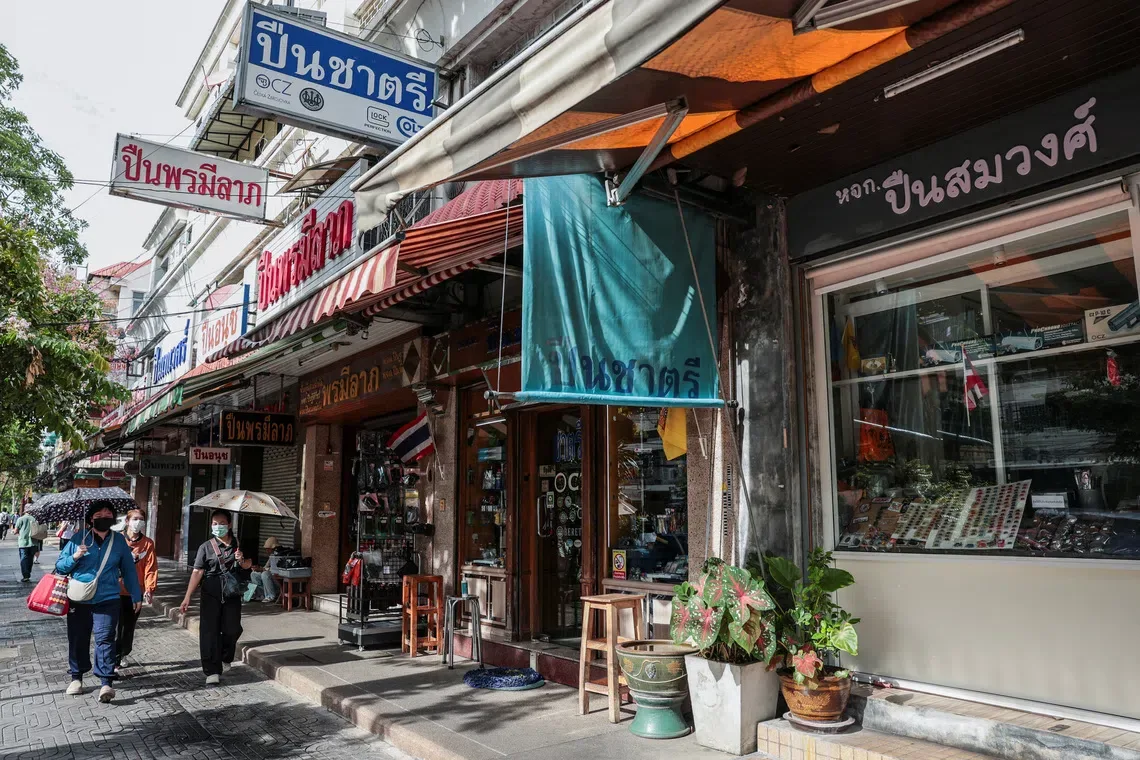
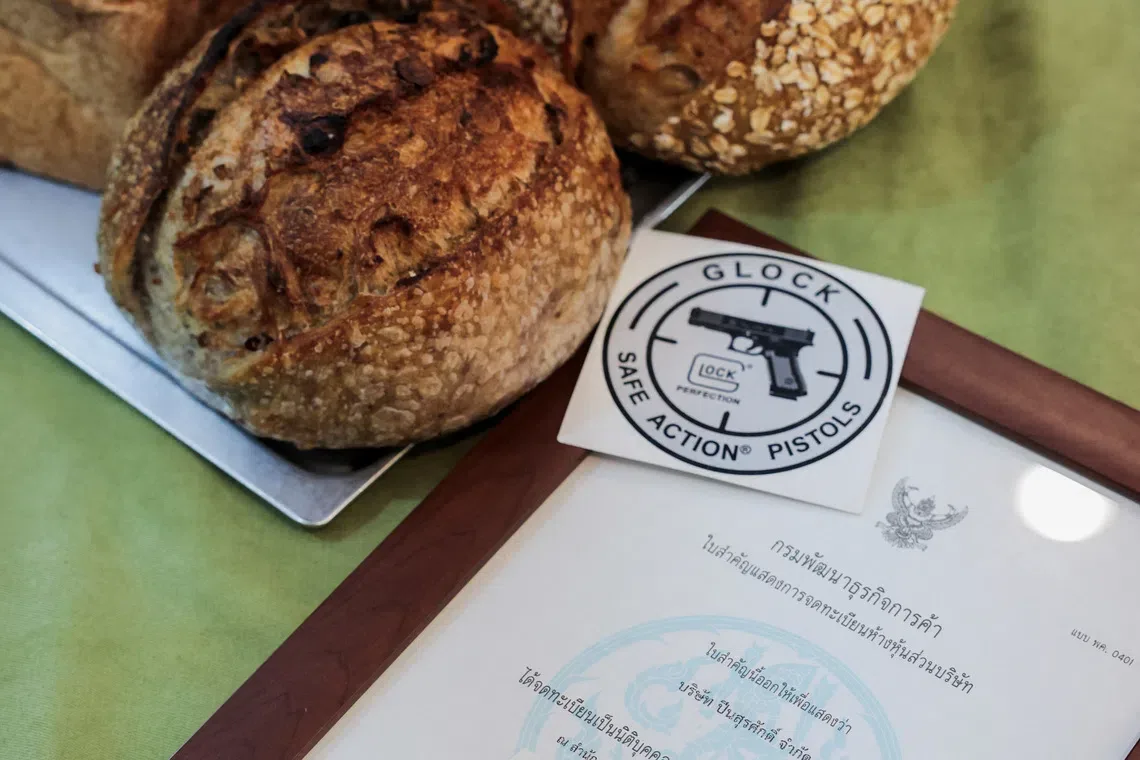
Gun shops like "Suchart and Friends Gun" in Bangkok have already shifted to other businesses following recent firearm import bans [3]. Government ministers and some politicians also own multiple firearms, highlighting the widespread gun ownership at all levels of Thai society [2, 4]. The gun trade itself is estimated to be worth roughly 2 billion baht (S$77 million) [3].
The government’s next steps include debating new laws to reform permit validity and launching an amnesty for unlicensed gun surrenders, aiming to reduce illegal arms amid the country’s continuing gun violence crisis [2, 4].