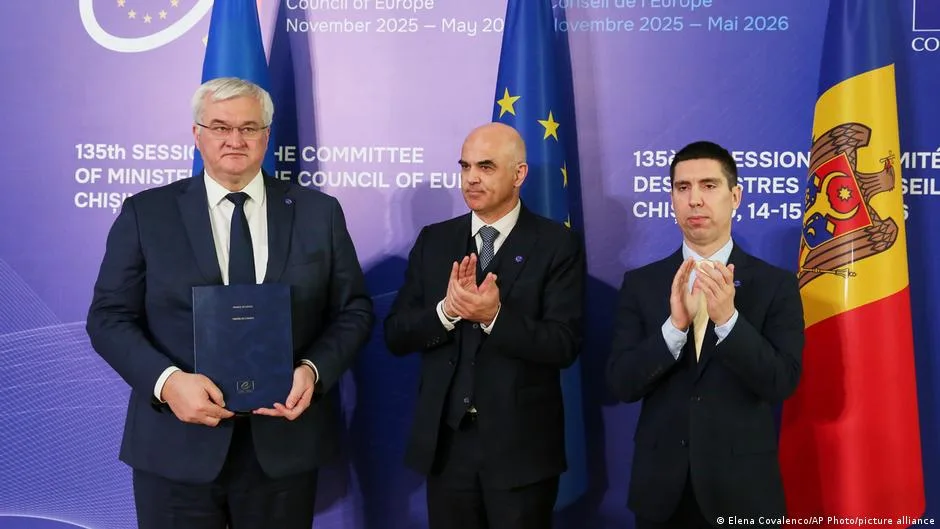
Thirty-four European states along with Australia, Costa Rica, and the European Union announced their decision to join a special tribunal to prosecute Russia for the 2022 invasion of Ukraine as of May 15, 2026 [1]. The tribunal follows an accord signed in 2025 between Ukrainian President Volodymyr Zelensky and the Council of Europe, which laid the groundwork for prosecuting the "crime of aggression" linked to the invasion [2, 1].
The Council of Ministers of the Council of Europe, representing 46 member states, formally approved a resolution on April 15, 2026, establishing the tribunal [2, 3]. The Netherlands will host the tribunal's initial phase in The Hague, providing a venue with an established judicial infrastructure [3].
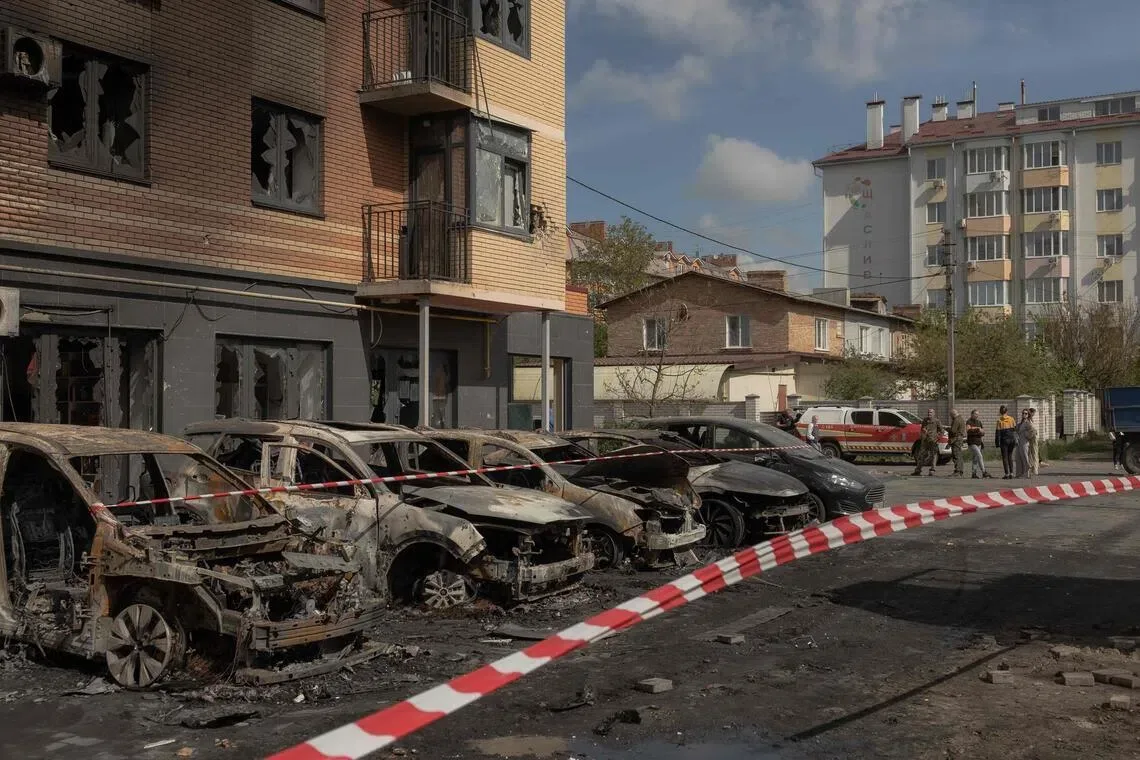
Russia was expelled from the Council of Europe in 2022 due to its invasion of Ukraine [2, 1]. The tribunal is intended to fill a legal gap since the International Criminal Court (ICC) has issued arrest warrants for Russian President Vladimir Putin and other commanders but lacks jurisdiction to try the "crime of aggression" relating to the invasion [2, 1]. The new tribunal could try senior Russian officials, including Putin [2, 1].
Twelve Council of Europe members did not join the tribunal agreement, including Hungary, Slovakia, Bulgaria, Malta, Serbia, Bosnia and Herzegovina, North Macedonia, Albania, Armenia, Azerbaijan, Georgia, and Turkey [2]. These absences reflect some divisions within Europe on the approach.
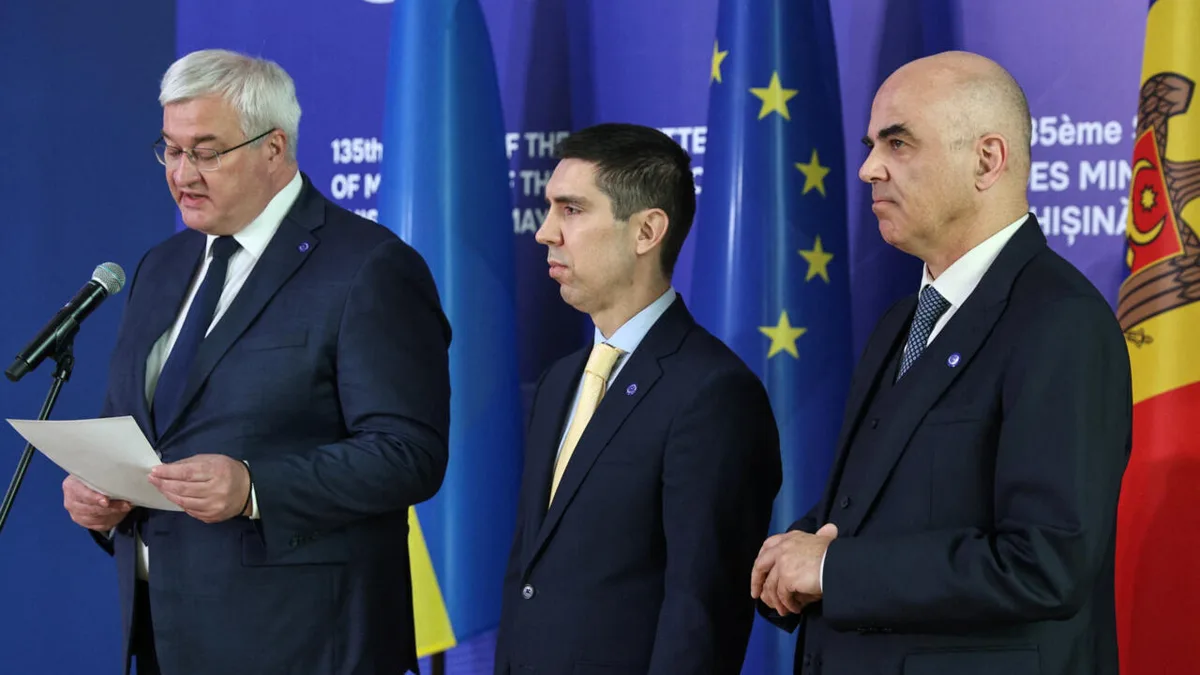
Council of Europe Secretary-General Alain Berset said, "The time for Russia to be held to account for its aggression is fast approaching. The special tribunal represents justice and hope. Action now needs to be taken to follow up on this political commitment by securing the tribunal’s functioning and funding." He added, "Today, we are taking responsibility to ensure that aggression does not go unanswered" [2, 3].
Ukraine's Foreign Minister Andrii Sybiha called the signing "a historic day" and compared the tribunal to the Nuremberg trials of World War II. He said, "Just like the Nuremberg tribunal 80 years ago, this Special Tribunal in the Hague will restore justice from the ruins of war. We are creating an infrastructure of accountability with three pillars: the Special Tribunal, the Register of Damages and the Claims Commission. Let me also emphasize that accountability will never be up for compromise" [3].
Dutch Foreign Minister Tom Berendsen said, "The road to justice for Ukraine is long and far from easy, but this does not stop us from doing everything in our power to help achieve this" [3].
The tribunal represents a focused legal mechanism to hold Russia accountable for its 2022 invasion and is expected to begin work after securing operational funding and finalizing procedures.