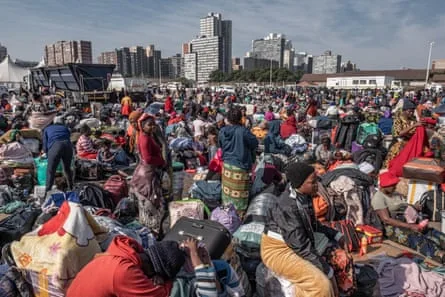
Anti-immigrant groups in South Africa set an unofficial deadline of June 30, 2026, for undocumented foreign nationals to leave the country, leading to mass departures of migrants in recent weeks [1, 2, 3, 4, 5, 6, 7, 8, 9].
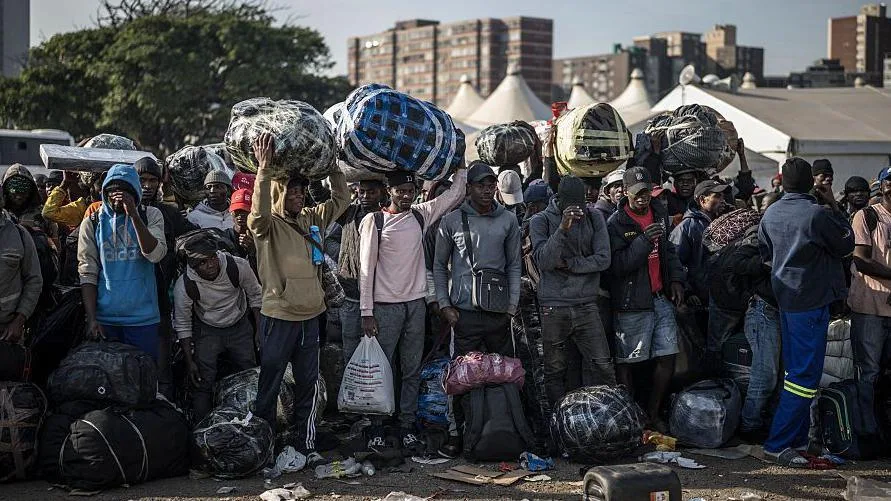
Thousands of migrants, including many Malawians and people from nearby countries, fled amid fears of xenophobic violence and hostile protests [1, 2, 3, 4, 5, 6, 9]. Several African governments arranged transportation to repatriate their citizens [2, 4, 9]. More than 25,000 migrants have been repatriated so far [2, 3].
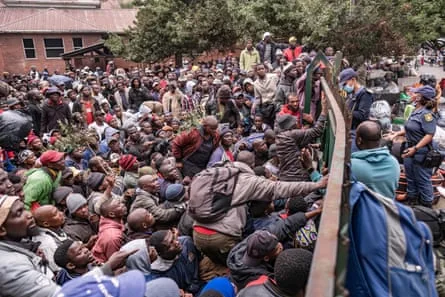
At least four migrants, including a 29-year-old Malawian man killed in Pietermaritzburg on June 19, Mozambican nationals, and an Ethiopian, have died in recent xenophobic attacks [2, 4, 9]. Migrants have reported widespread use of slurs like "Makwerekwere" and open hostility [1, 2]. Many fleeing migrants are sheltering in informal camps while awaiting repatriation [1, 2, 4, 6].
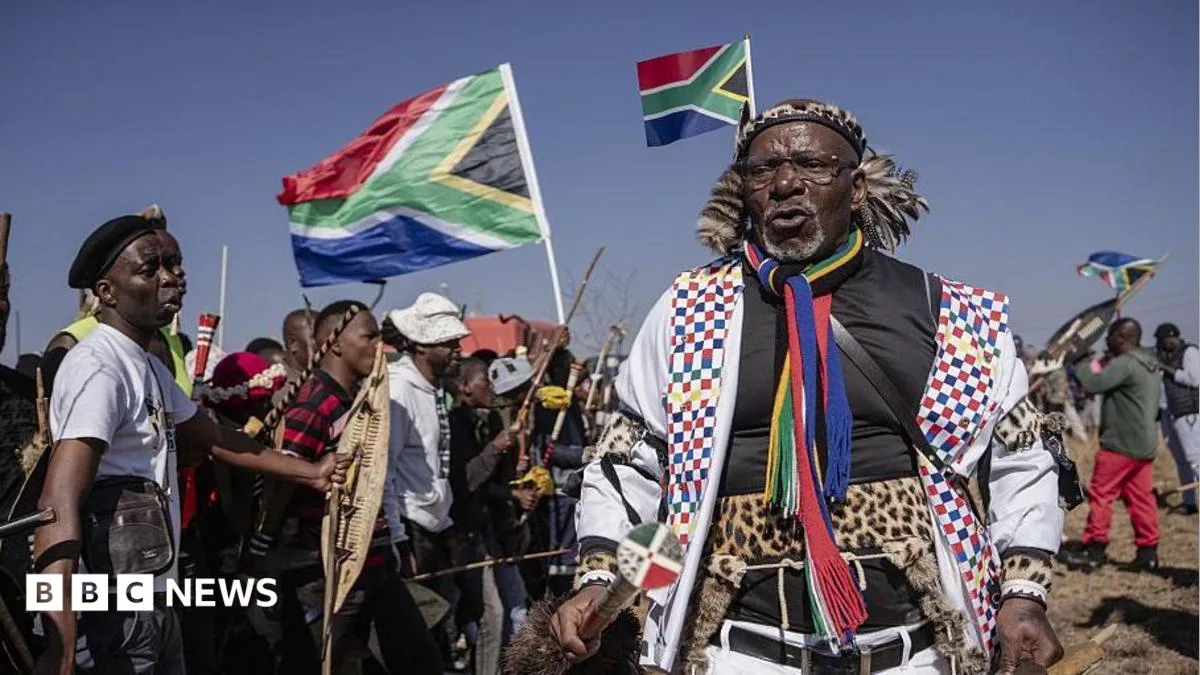
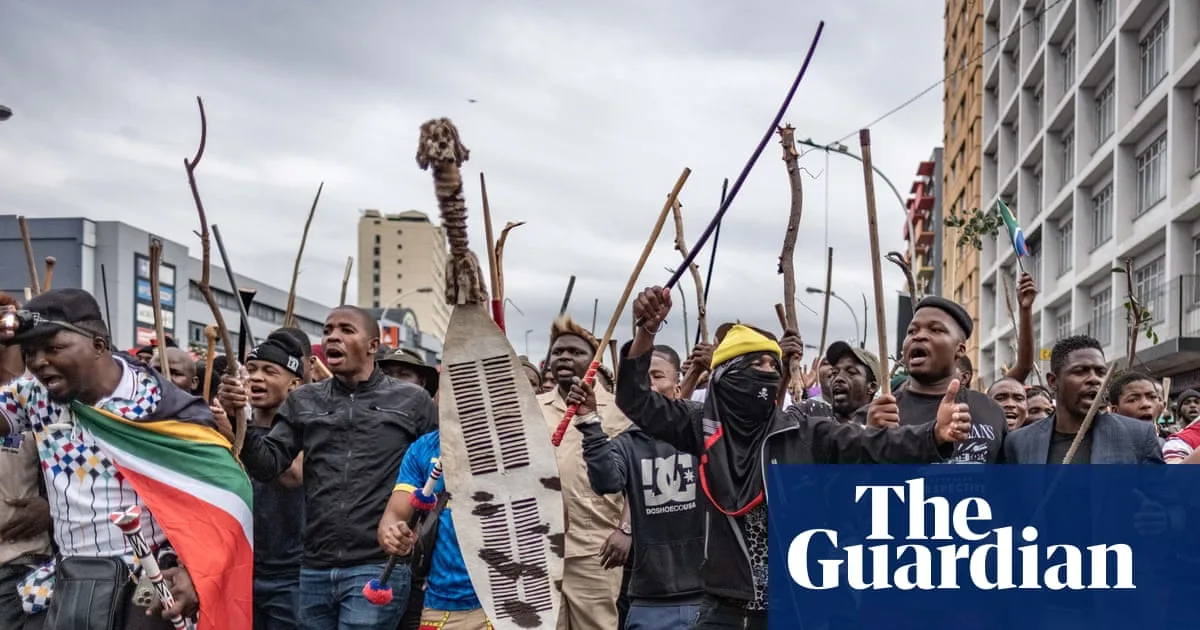
Some South Africans blame undocumented migrants for crime and unemployment, fueling tensions and calls for their removal [6, 8, 9]. The anti-immigrant protests, largely led by the group March and March, demand the exit of undocumented foreigners from South Africa [3, 7]. President Cyril Ramaphosa condemned violence and intimidation, urging peaceful protest while acknowledging the contributions of lawful foreign nationals. He said, "Some foreign nationals who live in South Africa are here lawfully. They work, study, raise families, invest in our economy and contribute positively to our society" and stressed that "The right to protest and freedom of expression does not allow people to threaten or intimidate others, or to engage in acts of vandalism or violence" [1, 3, 9].
Police increased their presence at protests, warning that law enforcement was ready to act against lawbreakers. Lt. Gen. Tebello Mosikili said, "To those who intend to break the law tomorrow, our message is simple: Do not test the resolve of the state. The state is ready. Law enforcement is ready. South Africa is ready" [3, 4, 7, 9]. The government has rejected forced removals or arrests based solely on immigration status [9].
The protests escalated since April 2026, growing from small gatherings into mass demonstrations by late June [9]. On June 30, large anti-migrant protests took place in cities including Johannesburg and Durban, marking the activist-imposed deadline [2, 3, 7, 8, 9].
South Africa hosts more than 3 million documented foreign nationals, complicating the situation [1]. The police allocated a $36 million special operation budget to manage protests and maintain order [4].
Some migrants expressed sorrow and unity despite the upheaval. Malawian migrant Hassan Phiri said, "All I want to say to South Africans is that we are all one. No matter what is happening, no matter what will happen, Africa must remain Africa" [1]. Another Malawian, Jackson Makungwa, said, "It’s not like I want to be illegally in the country, but the system doesn’t allow me to be here legally. They said the deadline is the 30th, so they will attack me if I stay" [2].