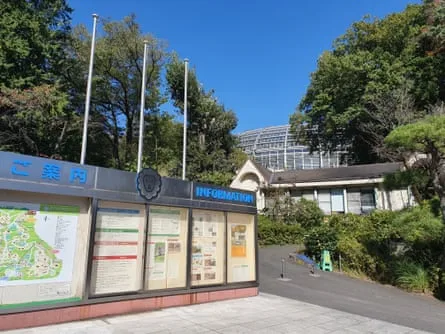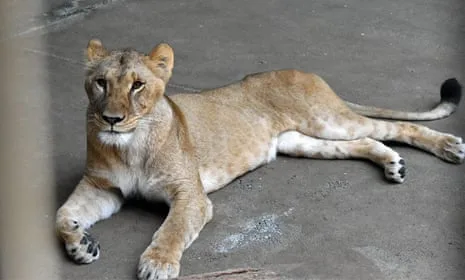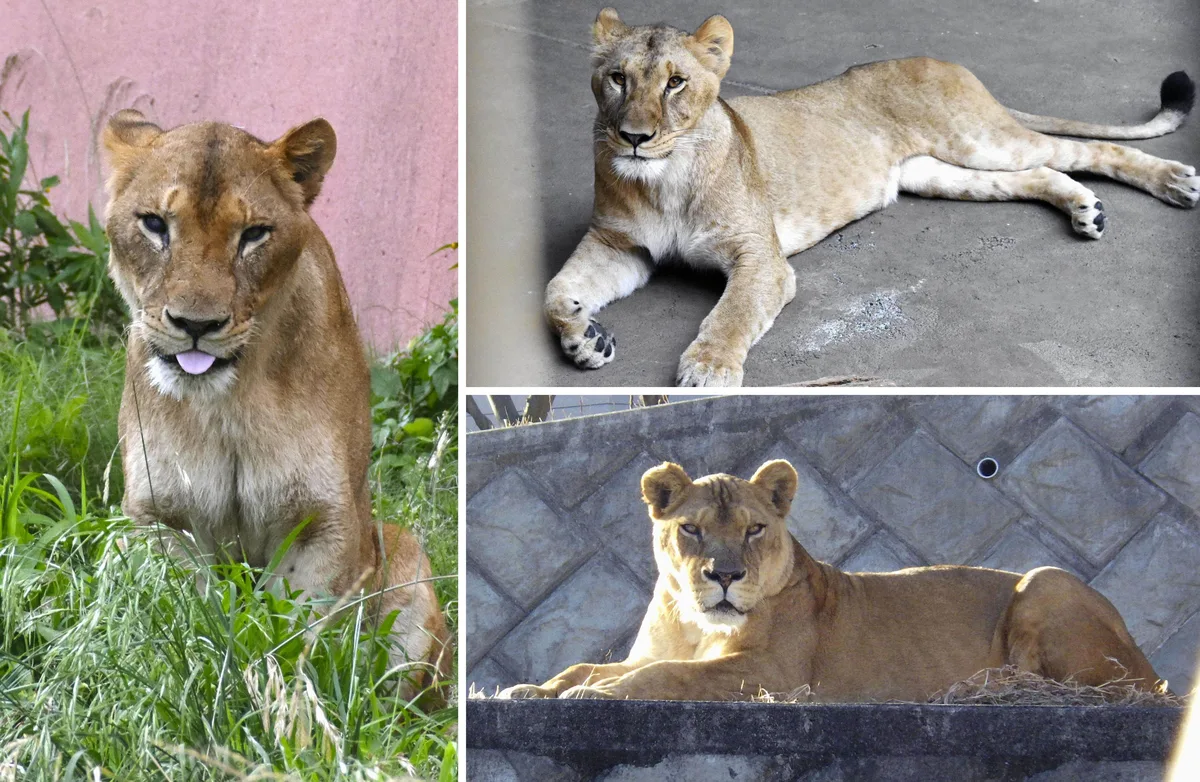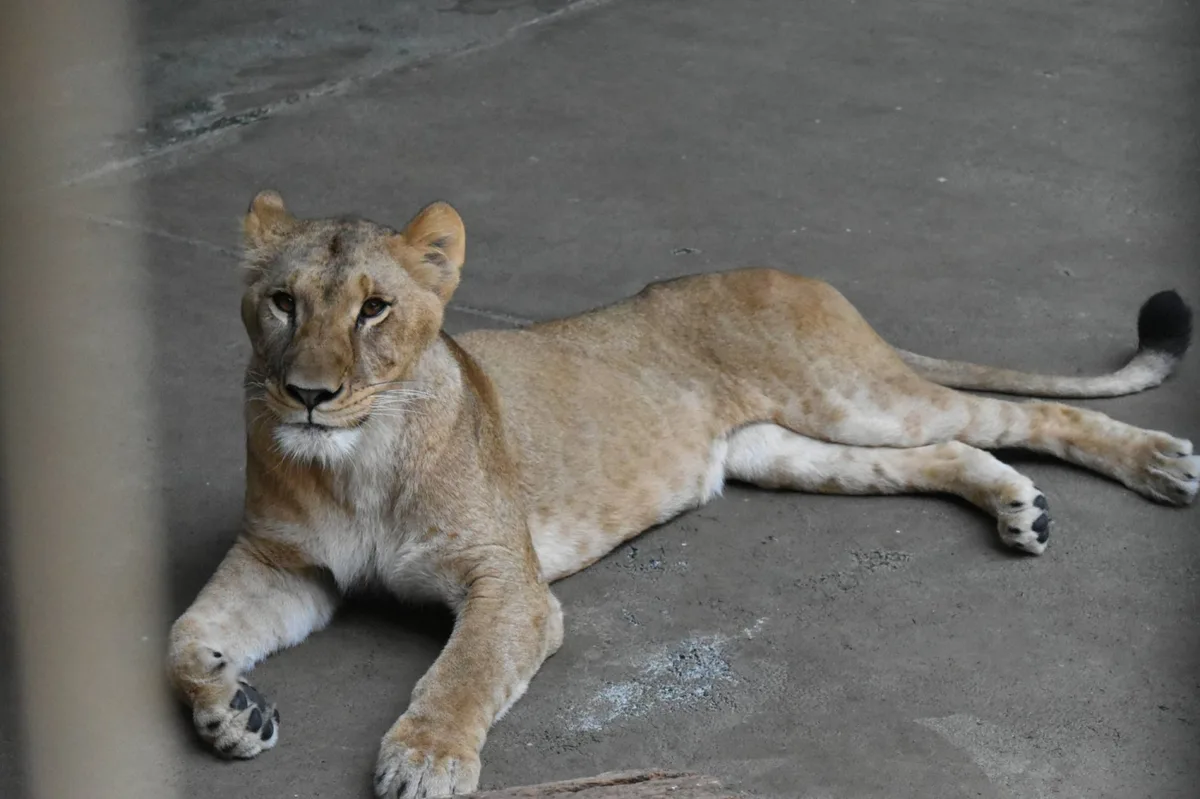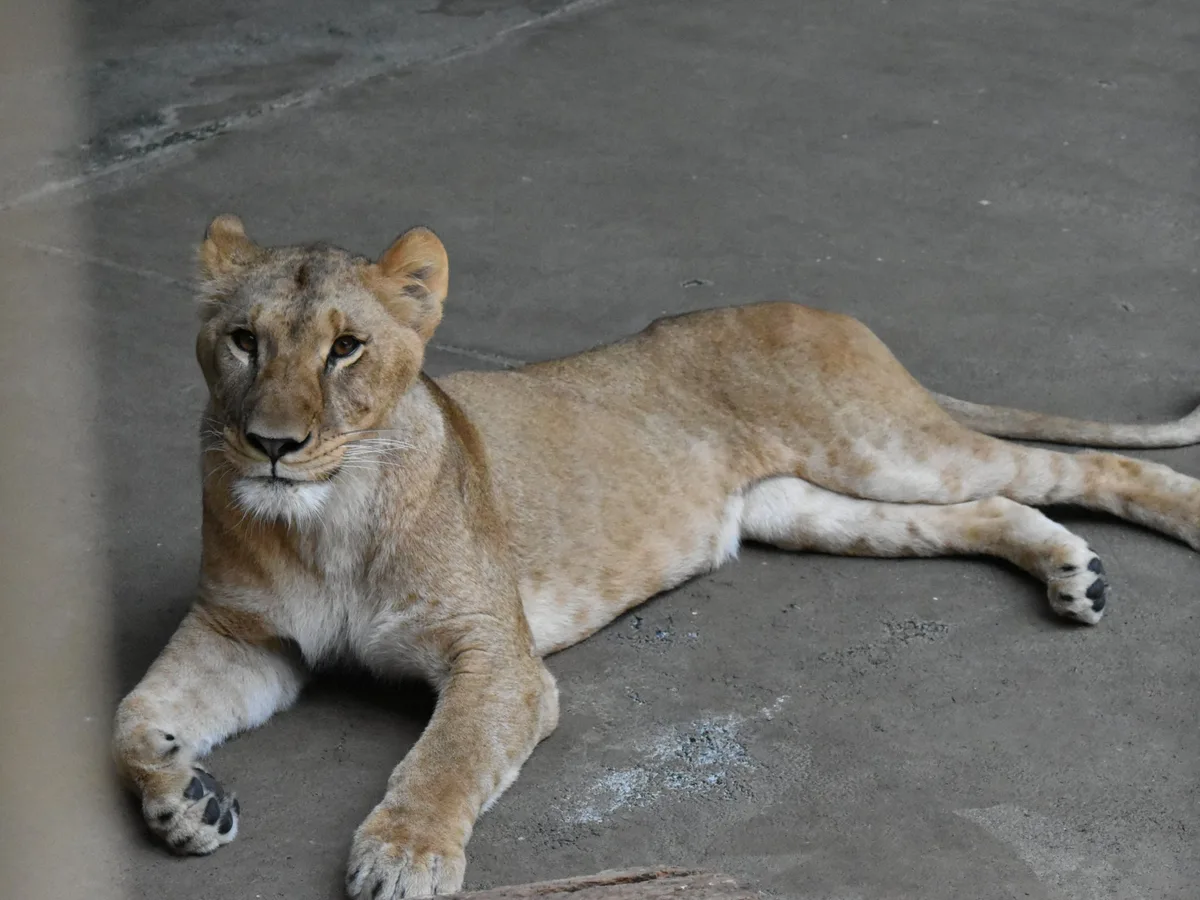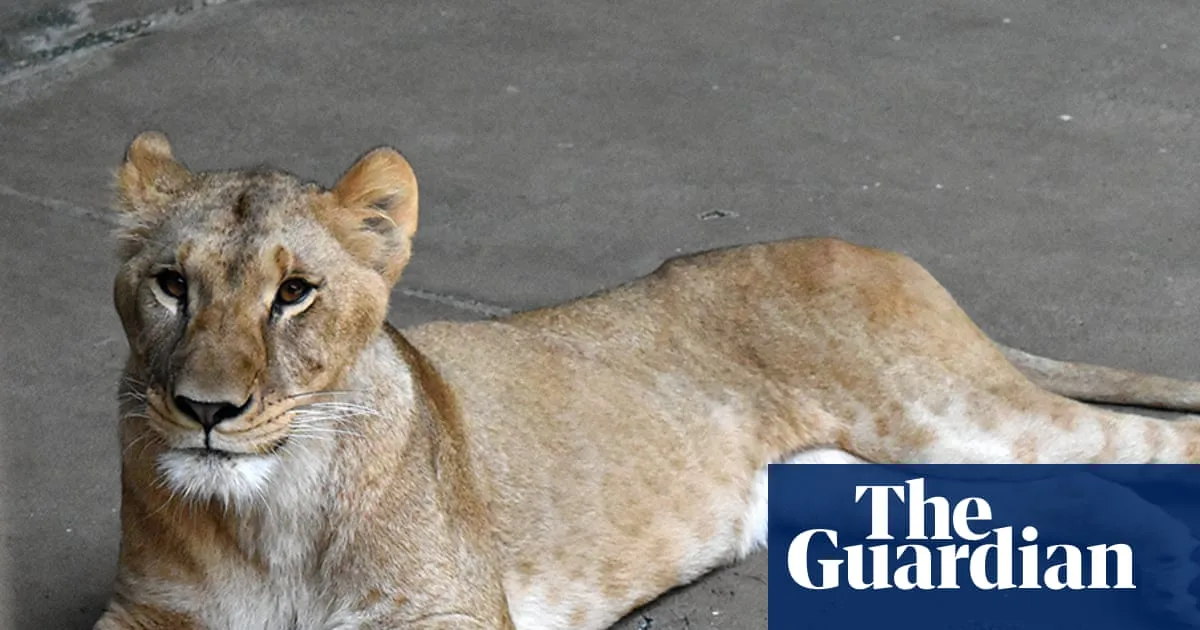
Three lionesses at Tokyo’s Tama Zoological Park died from suspected heatstroke during a severe heatwave in early August 2026. [1, 2, 3, 4, 5] The lions died on consecutive days: Ichigo (11 years old) on August 1, Luena (15) on August 2, and Mugi (3) on August 4. [1, 2, 4, 5]
Veterinarians identified dehydration and multiple organ failure caused by heatstroke as the probable cause of death. [1, 2, 4, 5] Since mid-July, about 10 of the zoo’s 16 lions—including 11 females and 5 males—showed symptoms of heat-related illness such as decreased activity and loss of appetite. [1, 2, 3, 5]
The lion exhibit was suspended on July 23 after heat symptoms were observed in the majority of the pride. [2, 3] Tama Zoo has intensified heat countermeasures, including using sprinklers, enhancing ventilation, and installing spot air conditioners to protect the animals. [1, 2, 5]
The zoo spokesperson noted that "even though lions are thought to be resistant to heat, zoo keepers have been strengthening countermeasures to cope with Japan’s summer heat in recent years. Heat here comes with high humidity; that is different from heat with dry air in Africa." [1] Japan has faced its hottest summer on record, with some areas reaching temperatures above 40°C. [1, 5]
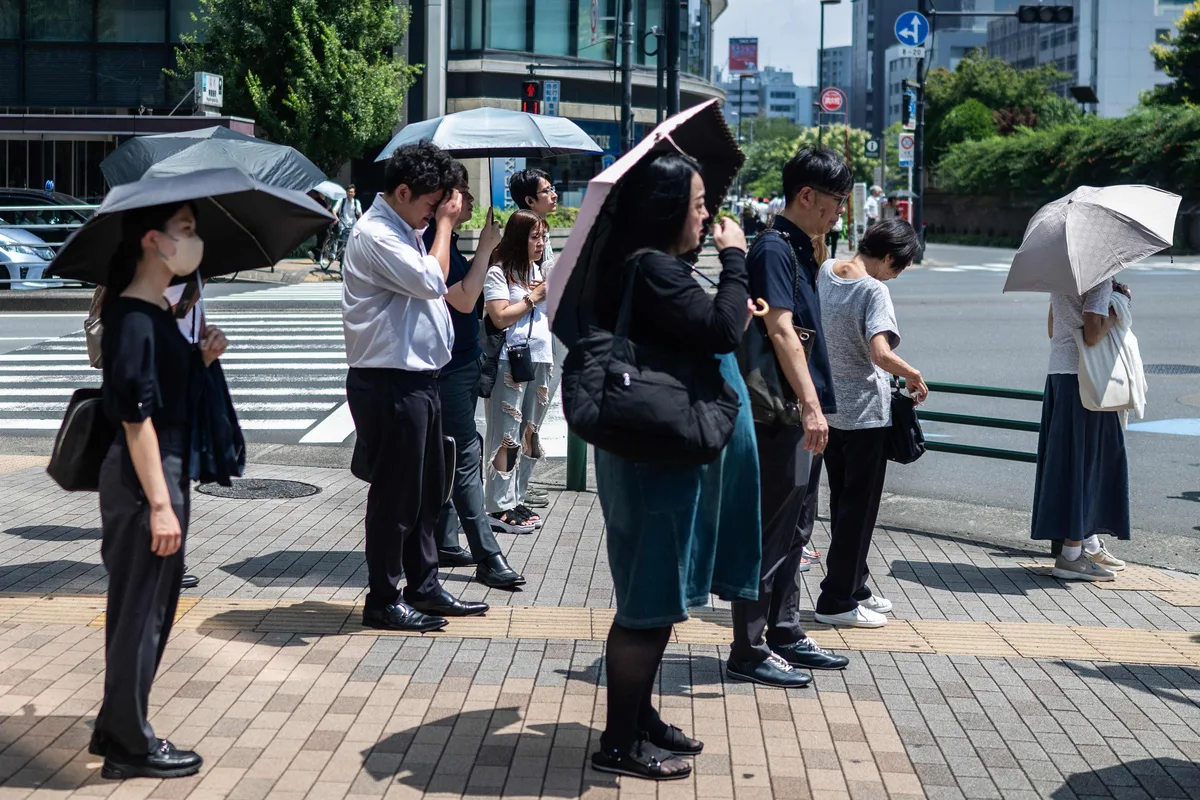
Between July 20 and 26, roughly 18,600 people were hospitalized for heatstroke nationwide, and 45 were pronounced dead on arrival during the same period. [1, 4, 5] Japan normally experiences about 1,300 heat-related deaths annually and aims to reduce that number by half by 2030. [1, 5]
Scientists attribute the increasing frequency and intensity of heatwaves in Japan to human-induced climate change. [1, 5] South Korean President Lee Jae Myung commented on the regional impact, warning that "abnormal weather conditions make it highly likely that extreme weather will continue for a considerable period." [4]
Tama Zoo and authorities continue to monitor the lions and implement additional safeguards to protect vulnerable animals as Japan endures extreme summer heat. [1, 2, 5]