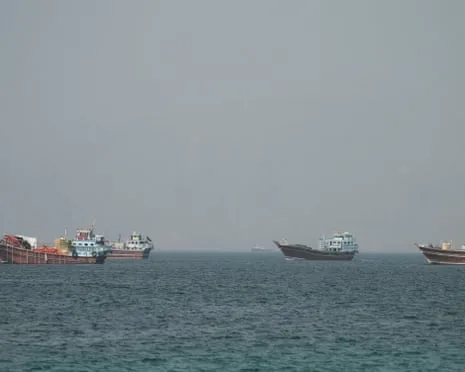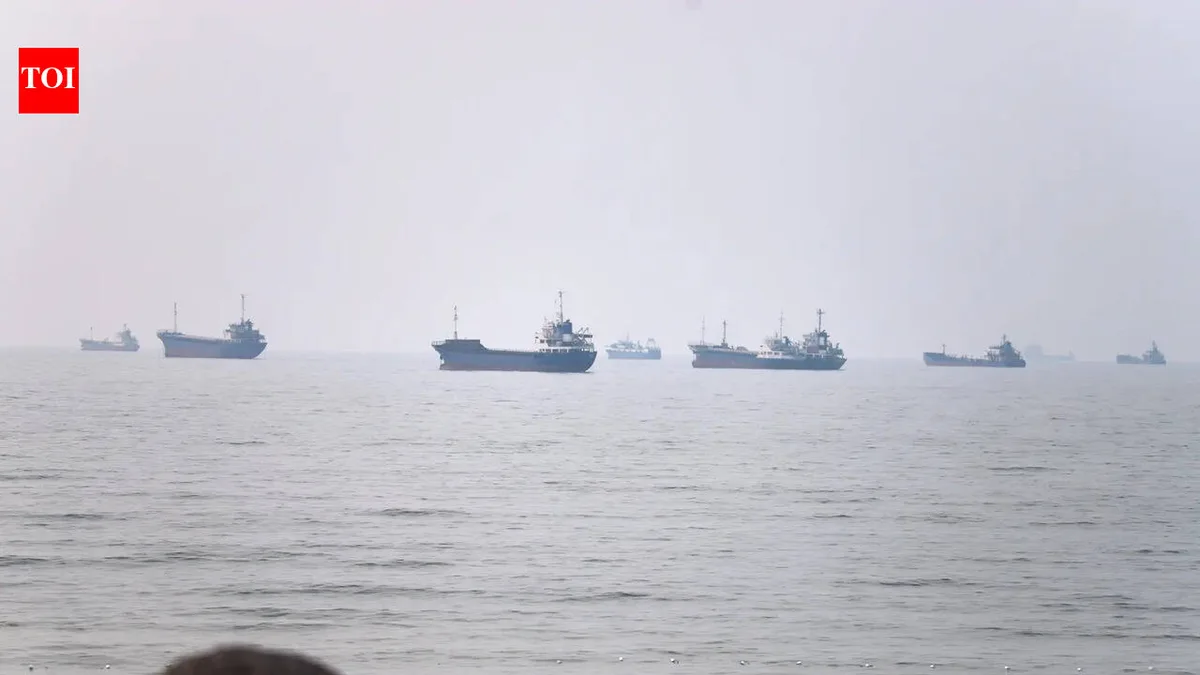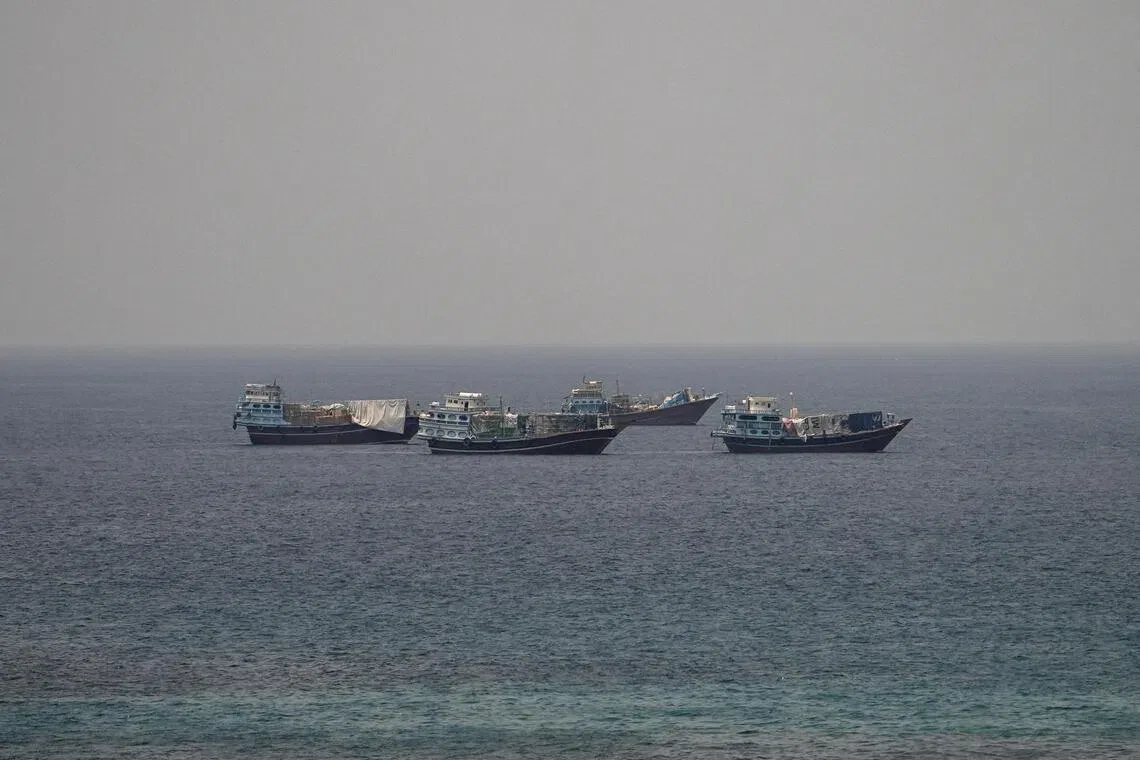
Three tankers were hit near the Strait of Hormuz on July 7, 2026, including the Qatari LNG tanker Al-Rekayyat, causing minor damage but no casualties or environmental harm [1, 2, 3]. The UK Maritime Trade Operations Centre said the attacks involved unknown projectiles and an uncrewed aerial vehicle (drone) [1, 2, 3].
Qatar condemned the strikes and held Iran fully legally responsible. Majed Al Ansari, a spokesman for Qatar’s foreign ministry, said, "The targeting of the Qatari vessel 'Al-Rekayyat' while transiting near the Strait of Hormuz constitutes an unacceptable attack on the security and safety of international maritime navigation." He added, "We hold Iran fully legally responsible for this attack and for any resulting damages or repercussions" [1, 3].
Iran denied responsibility and blamed the United States for escalating tensions in the region. An Iranian foreign ministry spokesman said, "Securing the strait for navigation for safe passage is itself a service," but accused the US of trying to open new routes through the strait without agreement [2].
The Strait of Hormuz is a critical chokepoint, with around 20% of the world's traded oil and LNG passing through it [3]. The attacks heightened concerns over freedom of navigation and undermined the fragile ceasefire between the US and Iran, established after Iran lifted its blockade of the strait earlier this year following the outbreak of war on February 28, 2026 [1, 3].
Oman had proposed a temporary shipping corridor hugging its coastline to improve security and navigation, a plan Iran opposes. Iran insists on charging fees to ships for navigation security services and rejects joint management of the corridor, claiming the US breached a memorandum of understanding by attempting to create new routes [1, 2].
The tanker attacks occurred within hours of each other, raising tensions amid ongoing diplomatic disputes over control and fees in the strait [1, 2, 3]. The situation remains volatile as regional powers contest authority over the vital waterway.
Further talks on maritime security and the corridor management are expected to continue, though no specific dates have been announced.