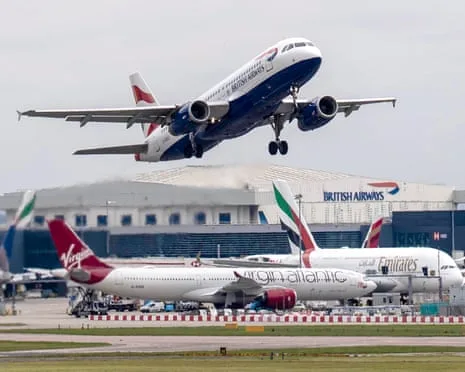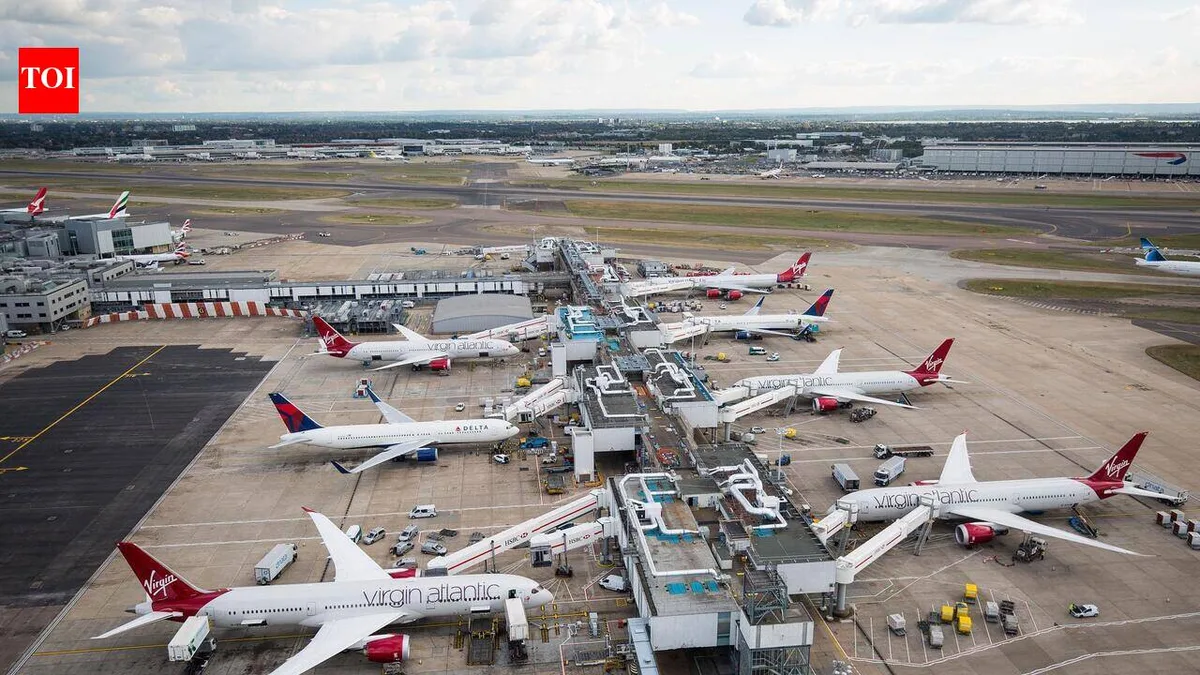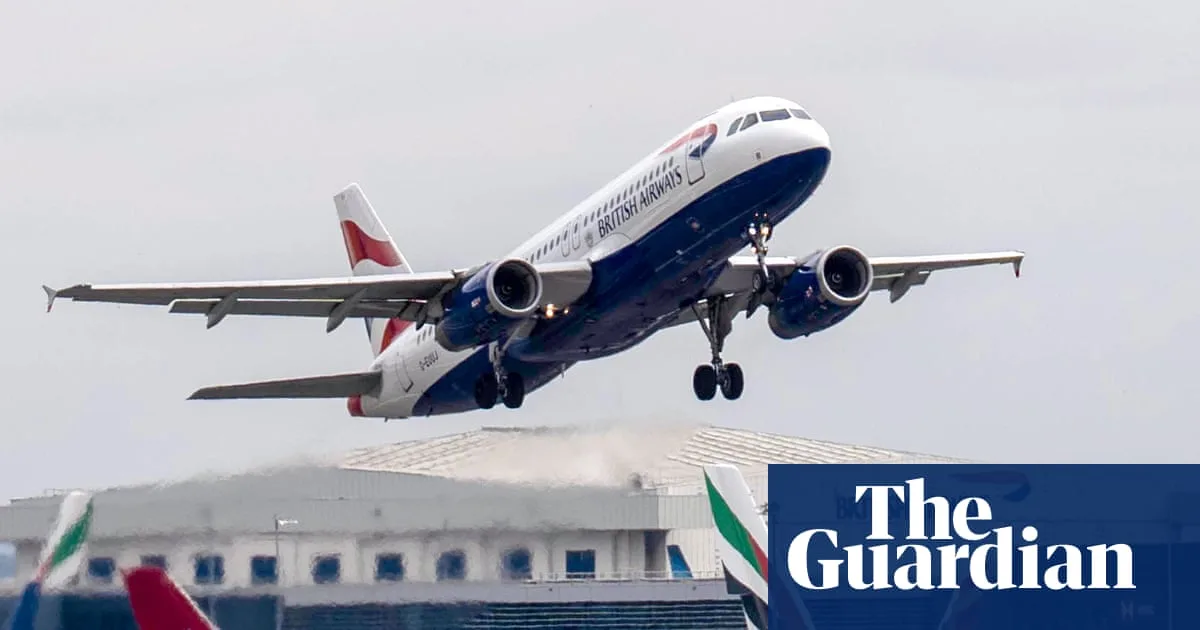
Severe thunderstorms over southern England on June 27 caused significant flight delays and cancellations at Heathrow and Gatwick airports, disrupting air travel across the region [1, 2, 3]. FlightAware reported at least 367 flights delayed at Heathrow and 352 at Gatwick, with Anadolu Agency citing over 900 total delays across both airports combined, some lasting up to 11 hours [1, 3]. The Guardian put the combined figure at more than 600 delays and cancellations [1].
The UK’s air traffic control service, NATS, imposed temporary restrictions on airspace capacity to maintain safety amid the severe weather [1, 2, 3]. NATS said, "Thunderstorms across southern England are reducing the amount of airspace available for aircraft. Safety remains our priority, so temporary traffic management measures are required," according to their statement [2].
Passengers reported long waits on planes in hot conditions with scarce communication from airlines. One passenger, Adam Joseph, said they were stuck on a plane for hours with little information. He added passengers were angry as British Airways said air traffic control restrictions barred compensation even for multi-hour delays. "We have had no communication from British Airways whatsoever," he said [1].
British Airways acknowledged the disruption, saying "Like other airlines, we’ve had to make some adjustments to our schedule today due to air traffic control restrictions caused by adverse weather conditions affecting parts of UK airspace." The airline apologized and said staff were working to help affected customers [1]. EasyJet preemptively canceled flights and offered compensation and accommodations where needed [1, 3].
The thunderstorms followed a record-breaking heatwave that pushed temperatures above 30C for multiple days and included the highest ever June UK temperature of 37.3C recorded in Suffolk on June 26 [1, 3]. The UK Met Office issued yellow thunderstorm warnings for southern England predicting heavy rain, hail, lightning, and possible flooding [2].
NATS warned flight disruption would likely continue on June 28 due to forecasted severe weather in southeast England, signaling ongoing challenges for air traffic control and travelers [1, 3].