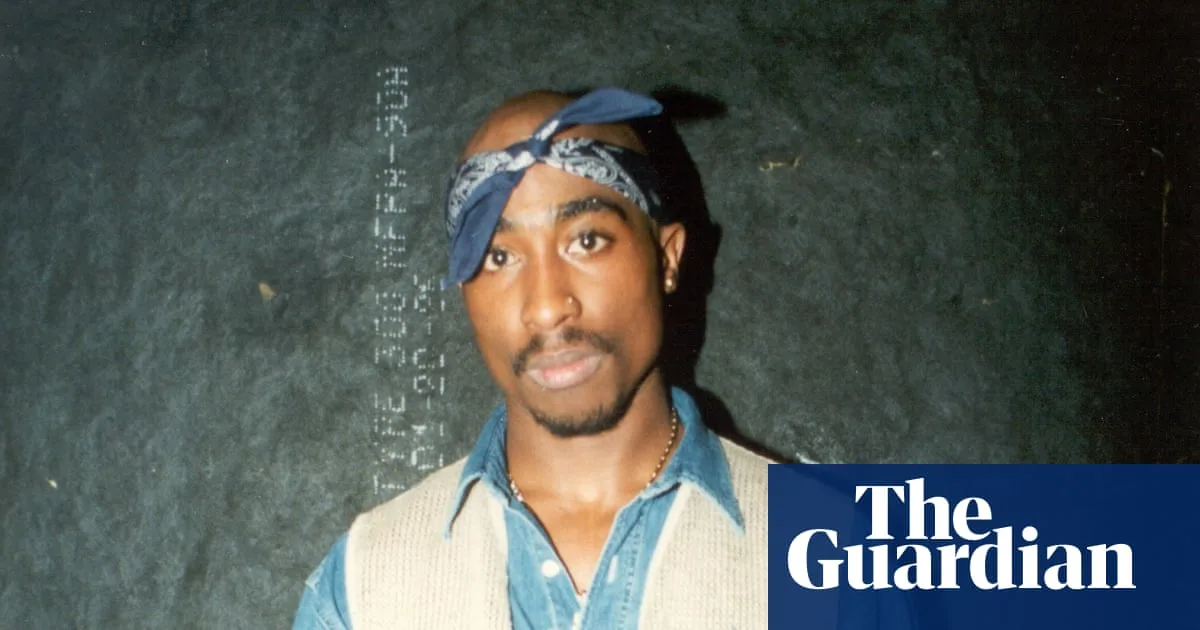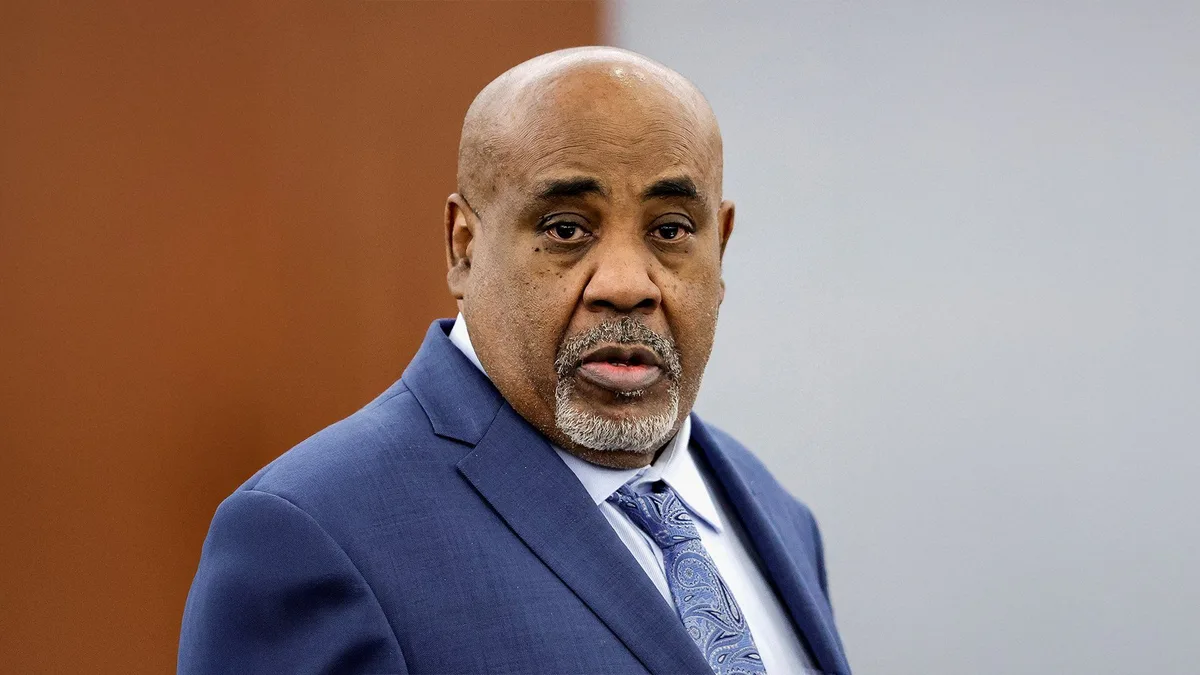
Duane 'Keffe D' Davis, a former gang leader aged 63, went on trial August 17 in Clark County, Nevada for the 1996 murder of rapper Tupac Shakur [1, 2, 3]. Davis has pleaded not guilty to one count of murder with a deadly weapon in the drive-by shooting that left Shakur fatally wounded near the Las Vegas Strip 30 years ago [1, 3, 4].
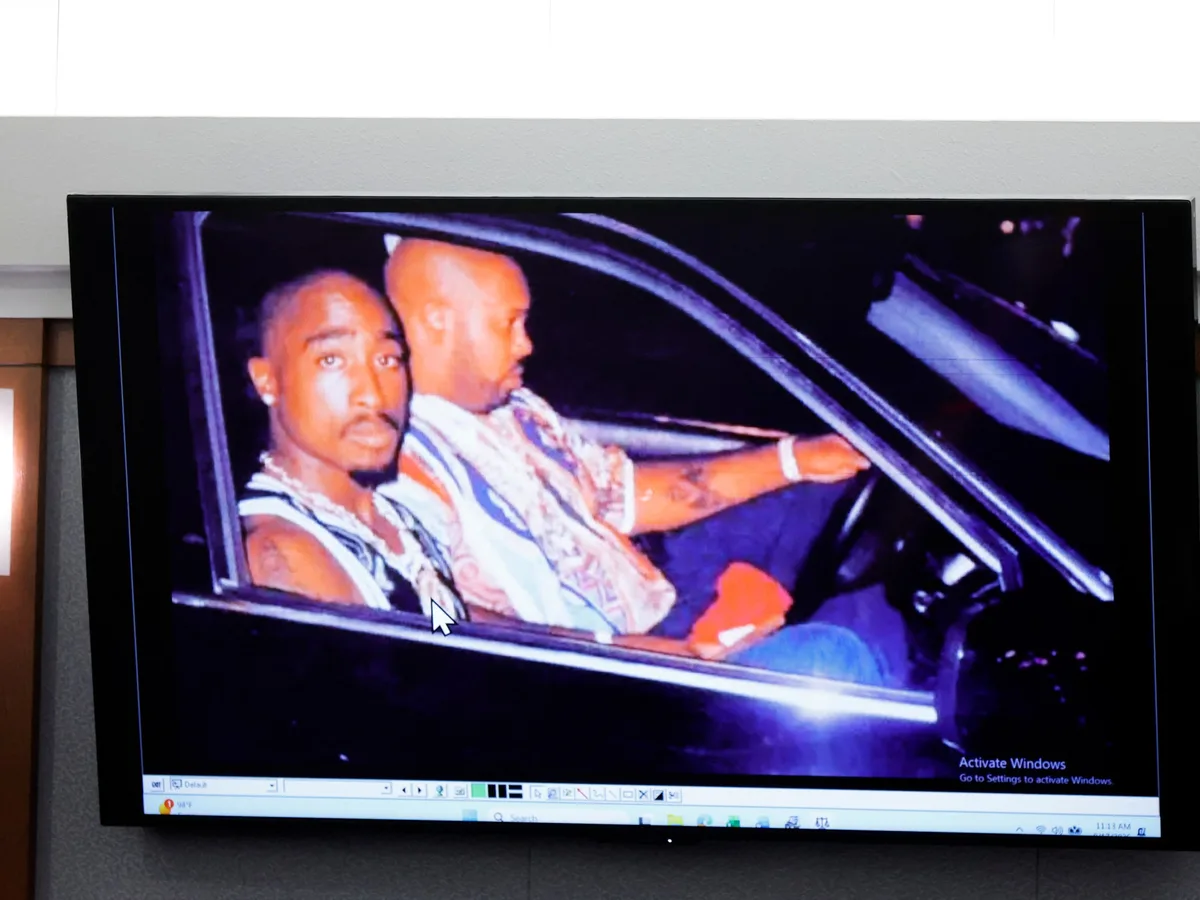
The attack occurred the night of September 7, 1996, shortly after Shakur attended a Mike Tyson boxing match at the MGM Grand and got involved in a fight with Davis's nephew, Orlando "Baby Lane" Anderson [1, 2, 5]. Prosecutors say Davis planned the shooting in retaliation for the beating of Anderson by Shakur and his entourage [1, 2, 4]. Davis allegedly obtained the gun used and handed it to a man in the back seat of the white Cadillac from which Shakur was shot [1, 4, 6].
Shakur was hit by eight bullets and died six days later at age 25 [1, 5]. Marion "Suge" Knight, co-founder of Death Row Records, was in the car and injured by bullet fragments but survived [1, 2, 7]. Three other men believed to be in the vehicle with Davis at the time have since died [5, 7]. Knight is listed as a prosecution witness but has said he does not intend to cooperate if called [2, 3].
Prosecutor Binu Palal told the jury, "You will learn that when the opportunity presented itself for retribution, Duane Davis made sure that the shooters were armed and ready to execute their plan. And remarkably, you will learn that from Duane Davis himself." Palal added, "Let’s be clear, Duane Davis did not pull the trigger. But he did plan the shooting in retaliation for the beating of his nephew" [2, 8].
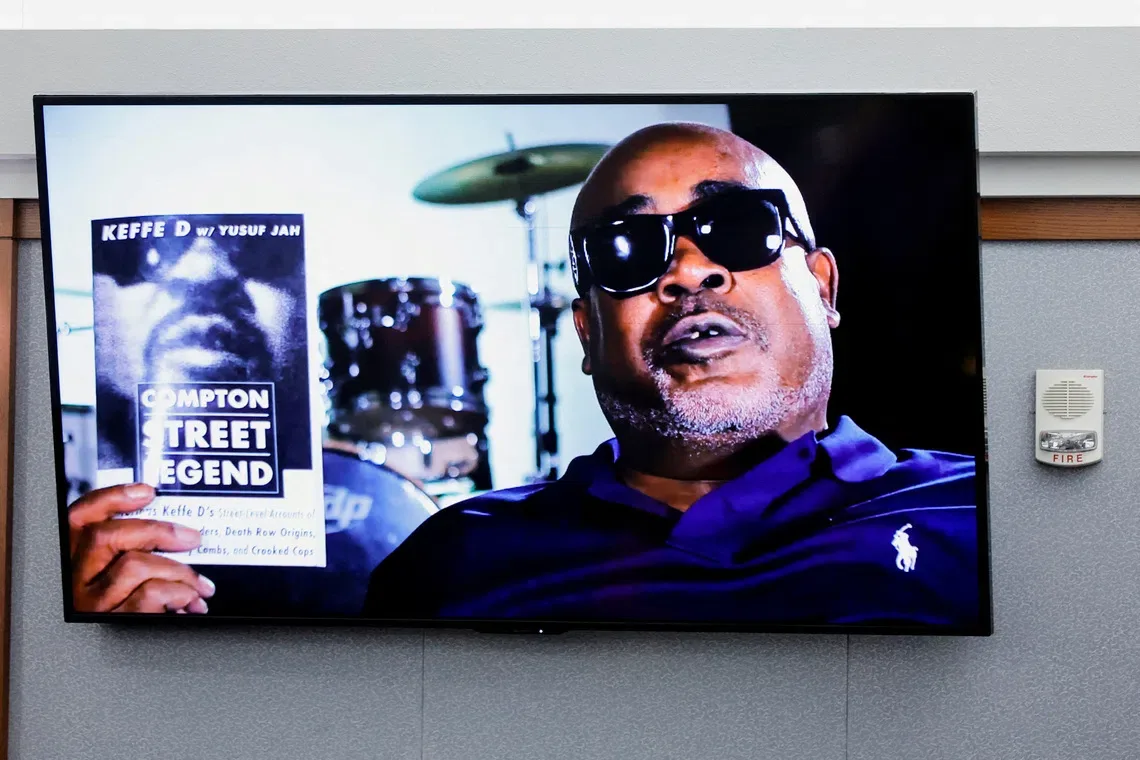
Davis has admitted being in the car but denies firing the shots [1, 4]. His defense attorney, Michael Sandt, challenged the reliability of Davis’s statements, saying, "Just look at the actual facts. What facts do you have to support any of what Keffe D said in any of his interviews or the book?" He added, "They’re representing to be a fact when it really is a fiction, and it’s up to you to determine what the facts are" [2, 9]. Prosecutors rely heavily on Davis's 2019 memoir, "Compton Street Legend," where he acknowledges involvement in the killing [1, 8].
The case was reopened following Davis's 2023 arrest based on his own admissions and newly uncovered evidence [1, 10]. Davis was a leader of the South Side Compton Crips, a gang involved in 1990s Los Angeles rivalries tied to the East Coast-West Coast hip-hop feud [2, 8].
The 16-member jury (6 men and 10 women) was selected last week. The trial is expected to last from one to six weeks [1, 3, 10]. Today the prosecution continued presenting evidence and may offer testimony from several witnesses, including possibly Marion "Suge" Knight [10, 6].