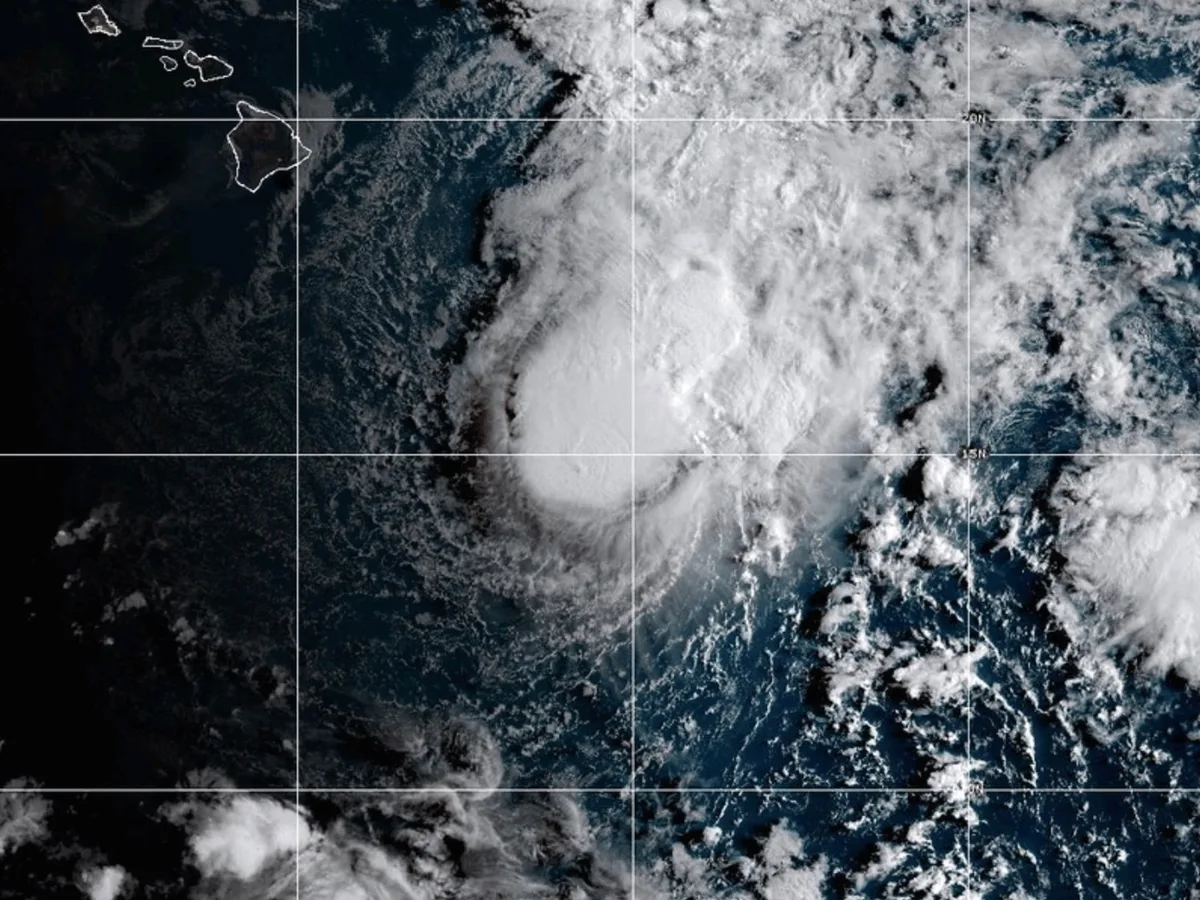
Tropical Storm Moke formed in the Pacific on August 21 about 680 km southeast of Hilo and is advancing west-northwest toward Hawaii at 19 km/h. The storm is expected to pass south of the Big Island overnight August 22 into the morning of August 23, bringing heavy rainfall and strong winds to the area [1, 2, 3].
Moke’s maximum sustained winds are about 85 km/h (50 mph), slower and less intense than Hurricane Lala, which struck about a week earlier. Meteorologist Casey Oswant of the US National Weather Service (NWS) in Honolulu said, "There will still be impacts, especially to the windward and southeast sides of the Big Island," with rainfall predicted at 130-250 mm (5-10 inches), and isolated spots receiving up to 380 mm (15 inches) [4, 2, 3].
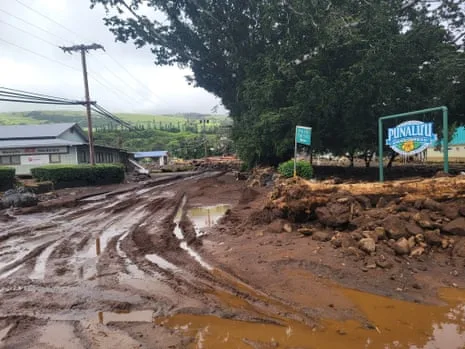
Officials have issued warnings for dangerous flooding, mudslides, and rip currents in areas with saturated ground, particularly on the southeast and windward coasts where the heaviest rain is expected [4, 2, 3]. Early on August 22, no coastal watches or warnings were in place but residents were urged to monitor the storm closely as conditions evolve [4, 2, 3].
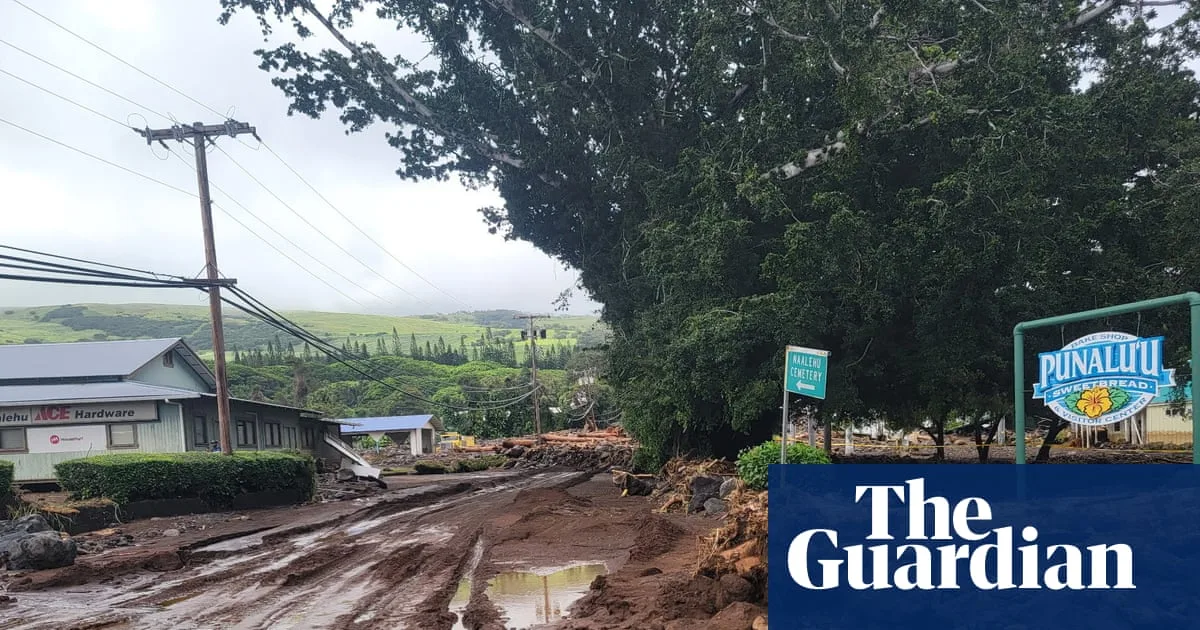
Hurricane Lala caused severe flooding and power outages affecting nearly 130,000 utility customers, with infrastructure damage on the Big Island estimated at $43 million and home damage at $4.6 million. The storm caused at least one death [4, 1, 2, 3]. Governor Josh Green said, "We know there’s already at least $43m of damaged infrastructure on the Big Island, another $4.6m to homes, at the very least. There’s going to be a lot more to account for and we will be there to provide recovery and resources, but it’s going to take some time." He also authorized 100 hotel rooms for evacuees ahead of Moke, noting, "It could certainly have a big impact because we’ve already been hit hard. We’re pre-positioning all kinds of additional equipment and people" [4, 1].
Power restoration following Lala is ongoing, with most service restored but some remote areas still experiencing outages as of August 22. Full restoration is expected by September 8 [1].
Authorities continue to monitor Moke’s path and potential impacts closely as it nears the islands. Residents are advised to stay vigilant and follow local guidance in the coming days [4, 2, 3].