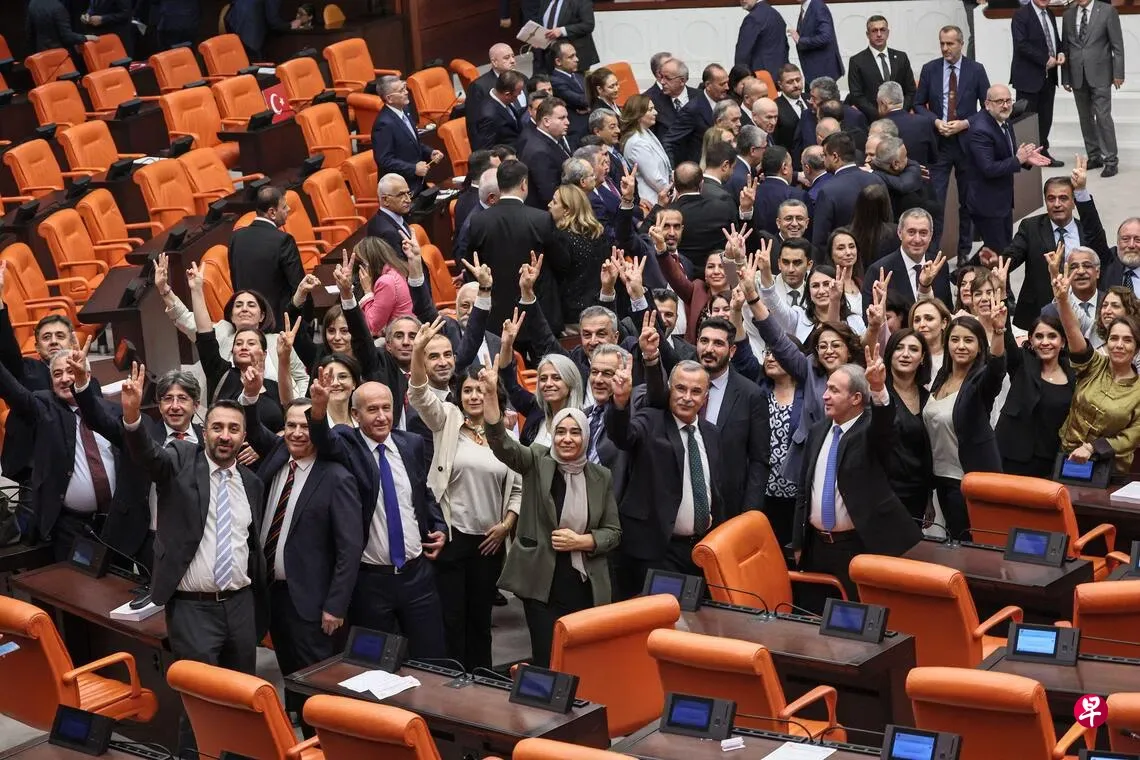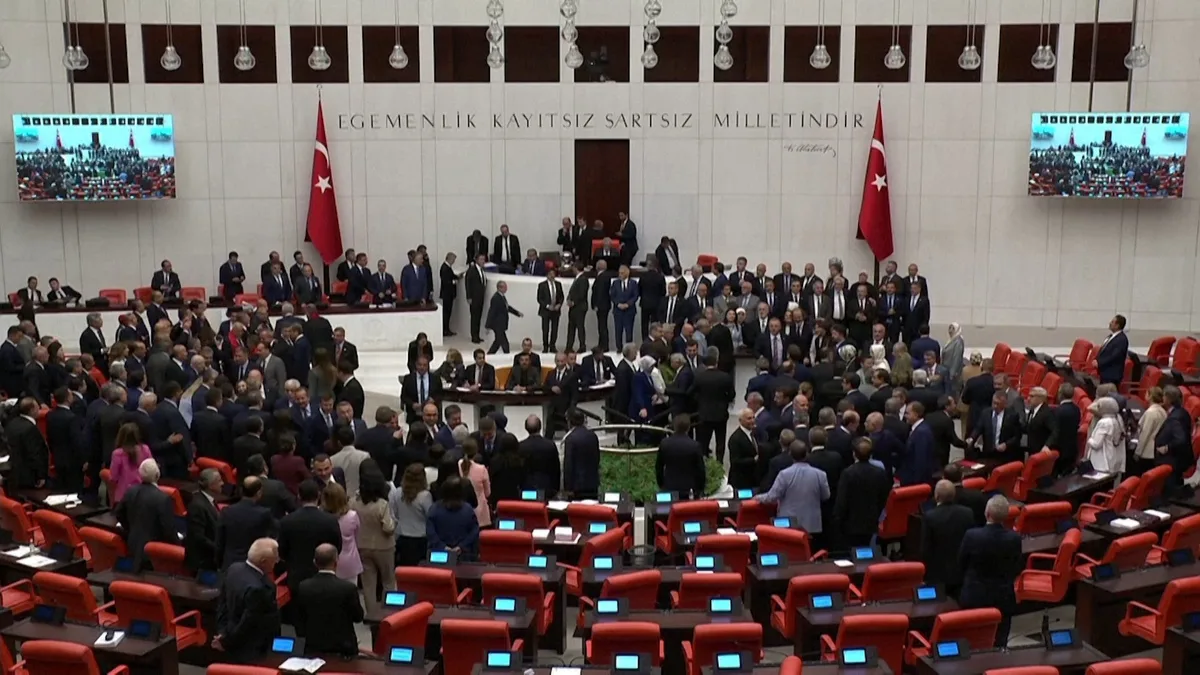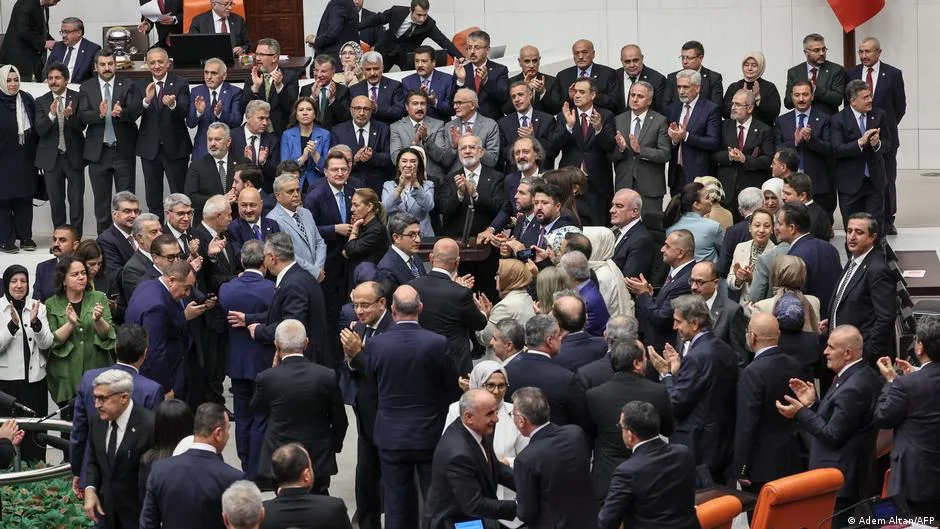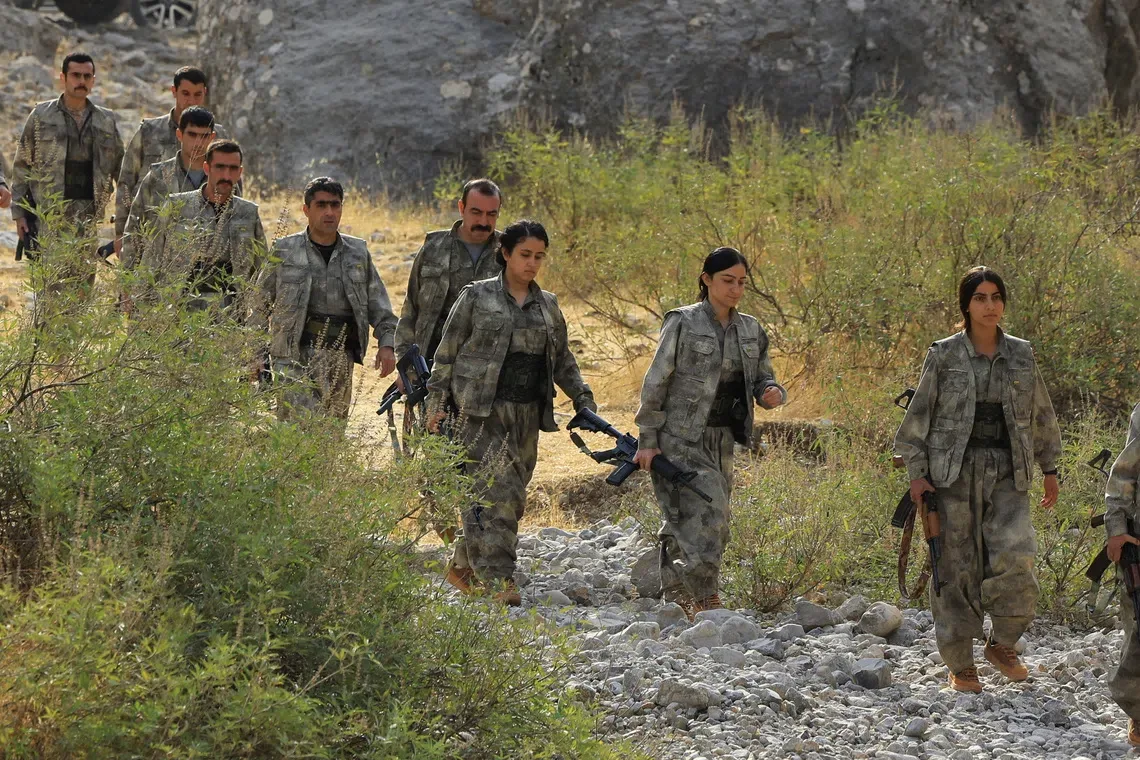
Turkey’s parliament passed a law on August 10, 2026, establishing a legal framework to disband the Kurdistan Workers Party (PKK) and reintegrate some of its members into society [1, 2, 3, 4, 5]. The legislation was approved by 468 votes in favor, 88 against, and 6 abstentions, with roughly 562 to 600 members participating in the vote [1, 2, 3, 4].
The law offers conditional pardons, suspends prison sentences for five to ten years, and provides legal protections for many former PKK militants who have not committed serious crimes [1, 3, 4]. Around 3,500 detainees linked to the PKK could be initially released under its provisions [3, 4]. However, the law explicitly excludes PKK founder Abdullah Ocalan and high-level members convicted of serious crimes or serving life sentences from pardons [2, 3].
Turkey’s Vice President Cevdet Yilmaz described the 468 "yes" votes as "of the utmost importance in terms of political consensus" [3]. The legislation will only take effect after Turkey’s National Security Council confirms the PKK has fully disarmed and surrendered all weapons [3].
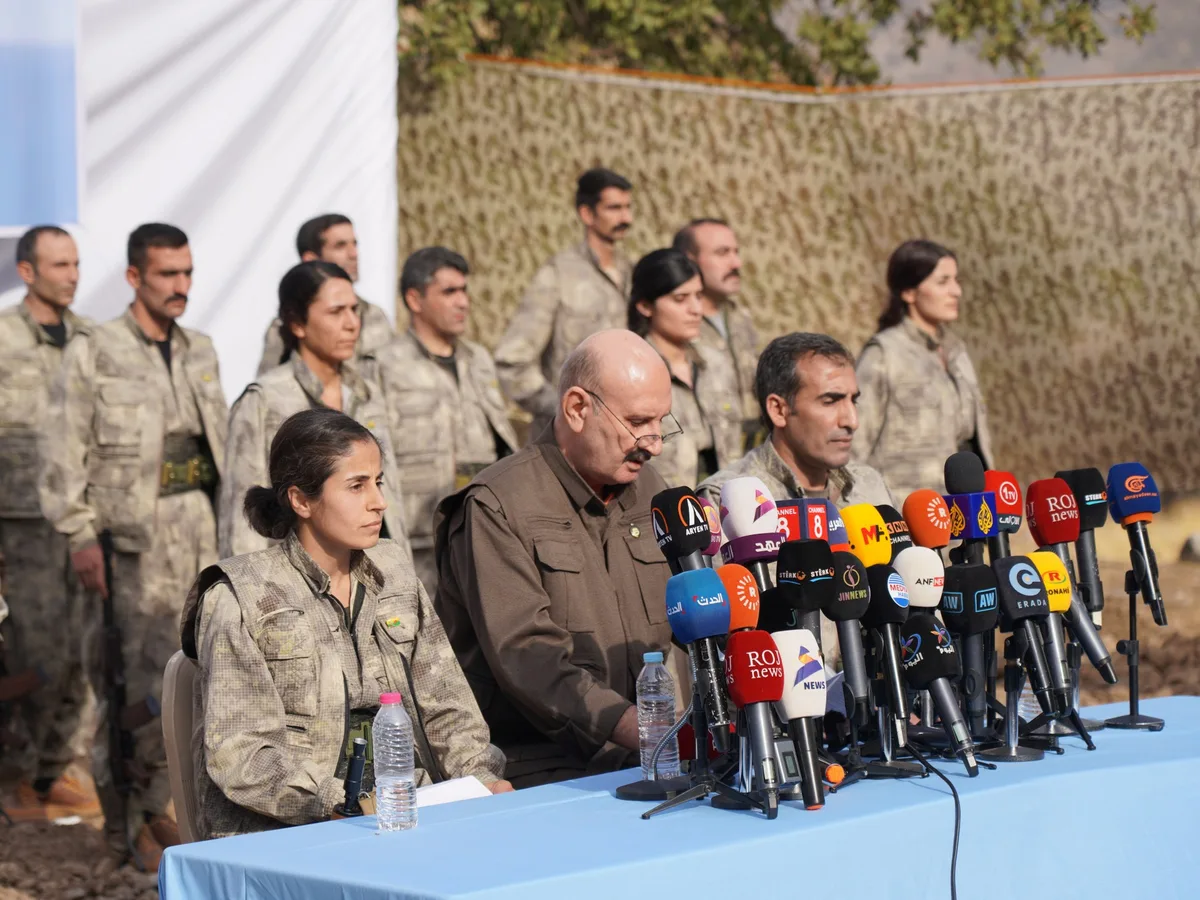
The PKK announced its dissolution and an end to armed struggle in May 2025, following a February 2025 call by Ocalan to disarm [1, 2, 3]. The peace process that led to the law began publicly in late 2024, with parliamentary commissions hearing different stakeholders throughout 2025 [1].
The new law does not address wider Kurdish political and cultural demands, nor does it alter existing anti-terrorism laws [1].
The law’s effective implementation hinges on the security council’s verification of PKK disarmament, setting a clear next step in the process [3].