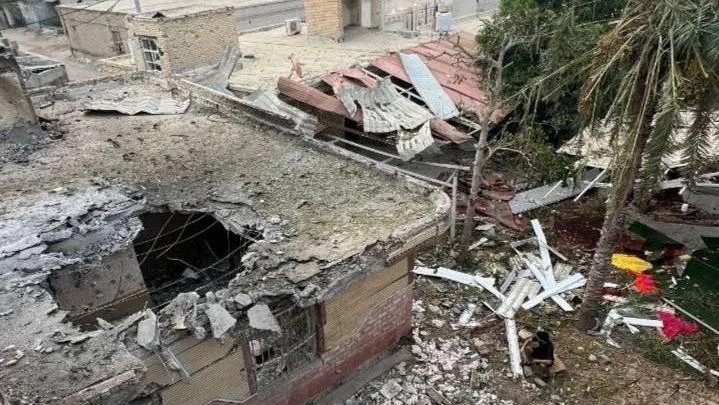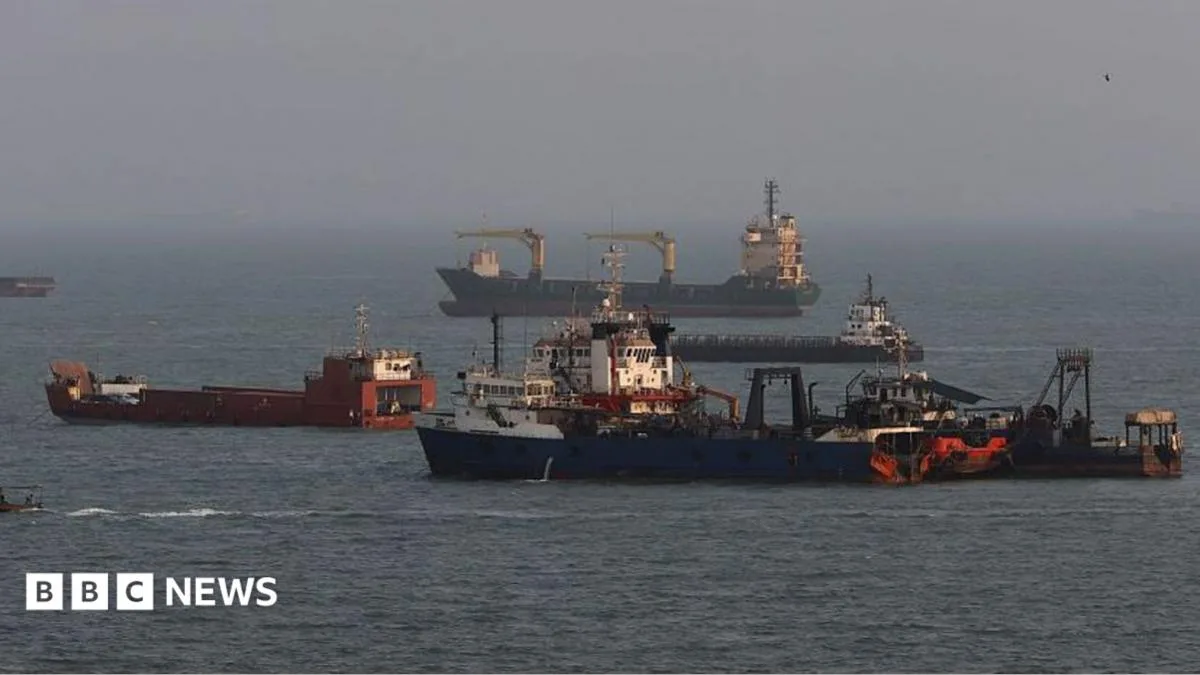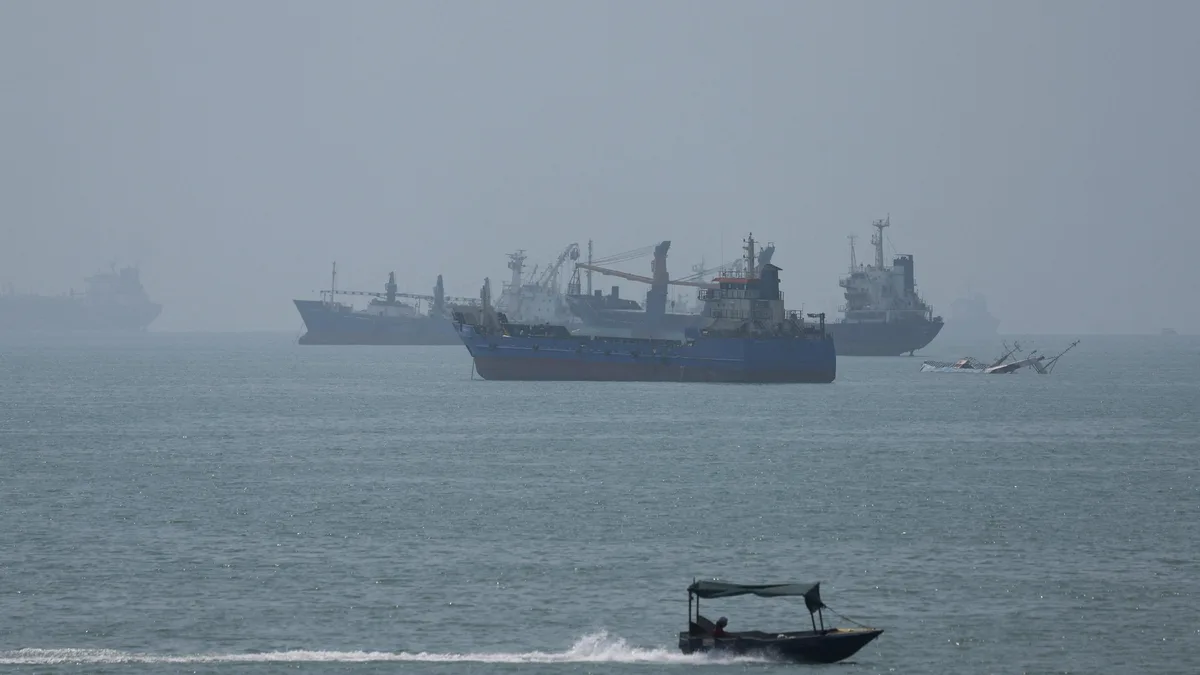
The Saudi-owned supertanker Sidr was attacked by projectiles while transiting the Strait of Hormuz, killing two Filipino sailors, Saudi and other regional officials said [1, 2, 3].
The attack happened around 23:40 local time (19:40–19:52 GMT) on Monday, August 31, 16 nautical miles north-east of Khasab, Oman. At the same time, a South Korean-owned tanker, Senegal Prosperity, was also hit about 17 nautical miles east of Khasab in the same general area [1, 3].
Each tanker was carrying about 2 million barrels of oil when struck [1, 3]. The Saudi Foreign Ministry condemned "Iran's targeting of the Saudi tanker (Sidr) while it was transiting the Strait of Hormuz" and called for an end to escalations, stressing "the necessity of halting escalations, and respecting international maritime safety and the security of global energy supplies," it said [1, 2]. Qatar’s Foreign Ministry called the attack a "flagrant violation of the rules of international law and freedom of maritime navigation," rejecting use of the Strait of Hormuz as a "bargaining chip" [3].
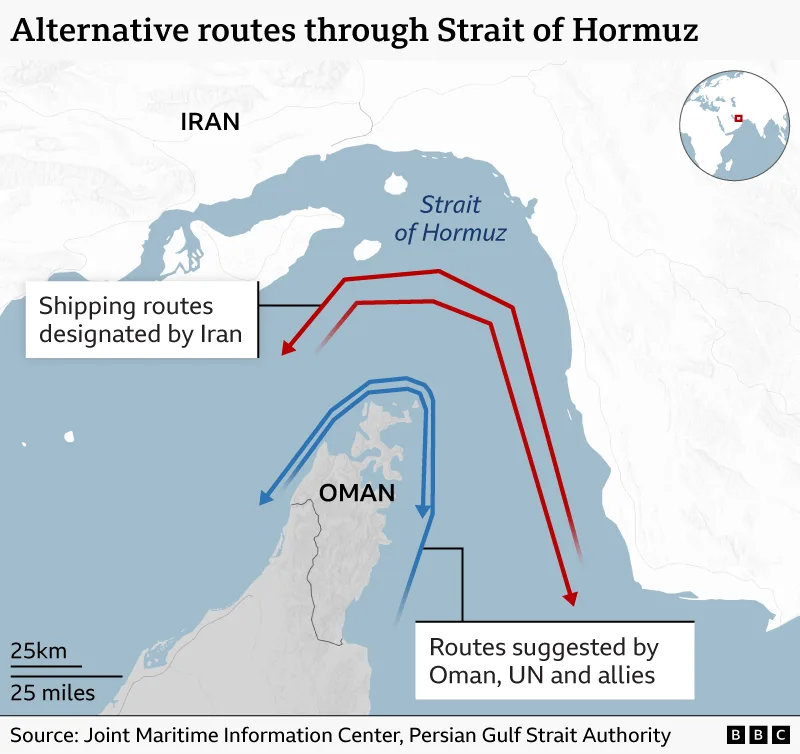
Iran’s Islamic Revolutionary Guard Corps (IRGC) claimed that both tankers hit mines and caught fire after taking an unauthorized route through the strait. It warned shipping companies that further punitive measures will be taken against vessels that use routes Iran deems unauthorized [4]. This differed from other sources, which reported the damage was caused by unknown projectiles.
The incident took place amid heightened tensions over navigation rights in the strategic Strait of Hormuz, a vital passage for global oil shipments.
The IRGC’s statement on September 2 also warned against future unauthorized passage through the strait, underscoring Tehran’s intent to control maritime routes in the region [4].
Authorities are still assessing the exact cause of the explosions and damage as international calls for restraint continue.
The latest statement from the IRGC on September 2 signals potential escalation if shipping companies do not heed Iran’s warnings [4].