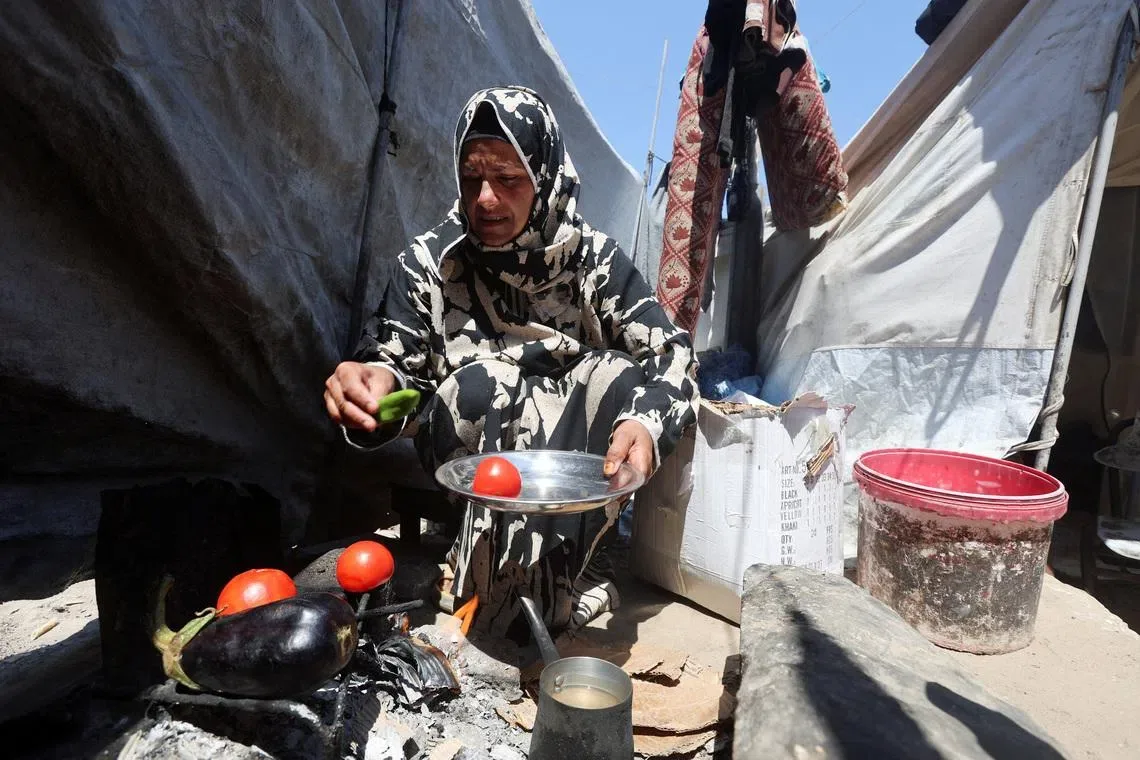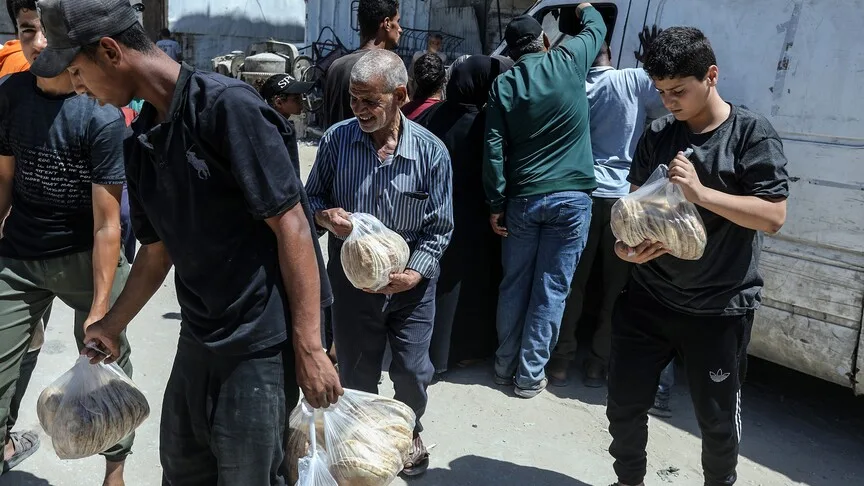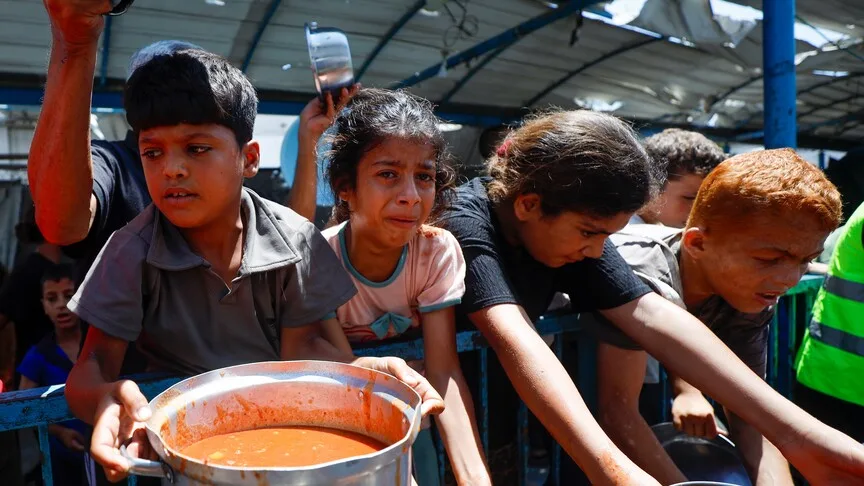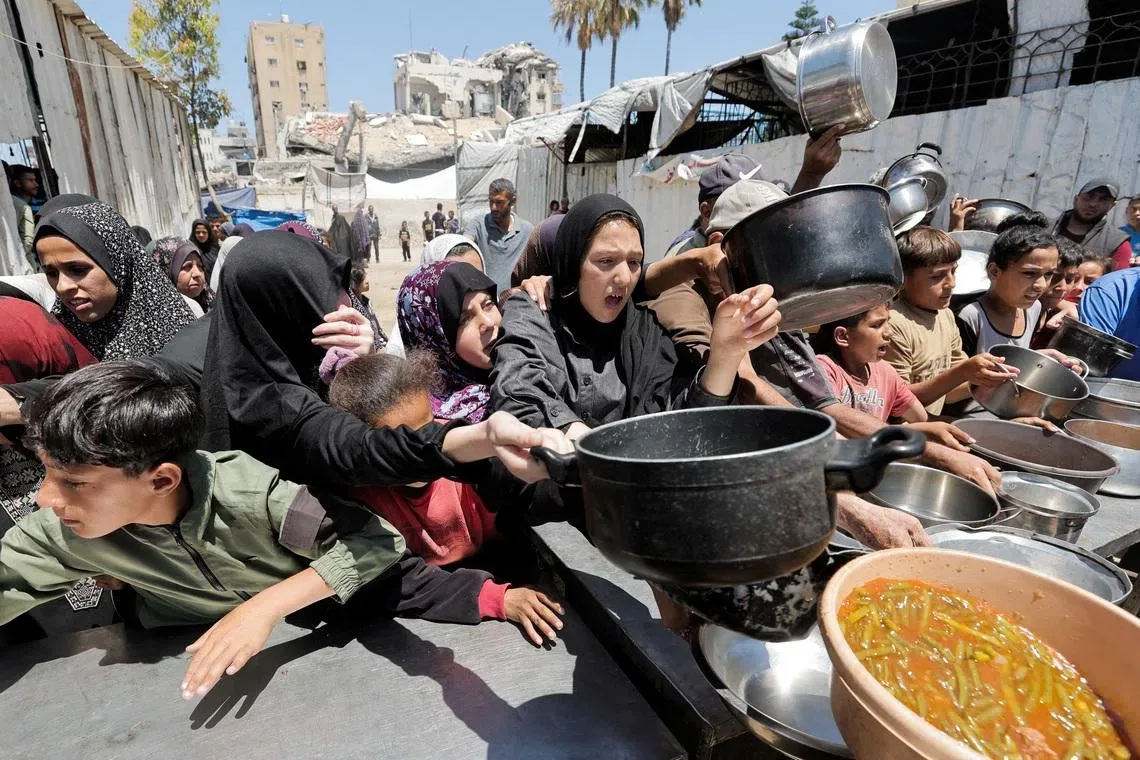
About 1.4 million people, representing roughly two-thirds of Gaza’s population, are projected to face high levels of acute food insecurity by the end of 2026, according to the latest Integrated Food Security Phase Classification (IPC) report [1, 2, 3, 4, 5, 6]. Between mid-April and June 2026, around 1.2 million people, or 59% of Gaza’s population, suffered acute hunger, including approximately 212,000 in emergency conditions [1, 2, 3, 4, 5]. The IPC found that food consumption remains inadequate for most families, leading some to resort to begging and scavenging for food [1, 2, 4, 5].
Humanitarian aid had improved food security after an October 2025 ceasefire between Israel and Hamas, which expanded assistance and reduced malnutrition, especially among children [1, 2, 4, 5]. However, recent gains are fragile as funding shortages and donor fatigue have forced cuts in aid [1, 3, 4, 5, 6]. The World Food Programme (WFP), which supports 70% of Gaza’s population, has halved food rations for 220,000 households and cut cash assistance by 25% to 75,000 people amid funding shortfalls [3, 6]. WFP says it needs over $420 million to maintain operations through year-end [3, 6].
Without humanitarian assistance, up to 90% of Gaza’s population—about 1.9 million people—could face acute hunger by December 2026 [4, 5]. Malnutrition among vulnerable groups is projected to worsen, with an estimated 74,200 children under five requiring treatment for acute malnutrition by April 2027, including over 11,000 severe cases. Around 24,600 pregnant and breastfeeding women need urgent nutritional support [4, 5].
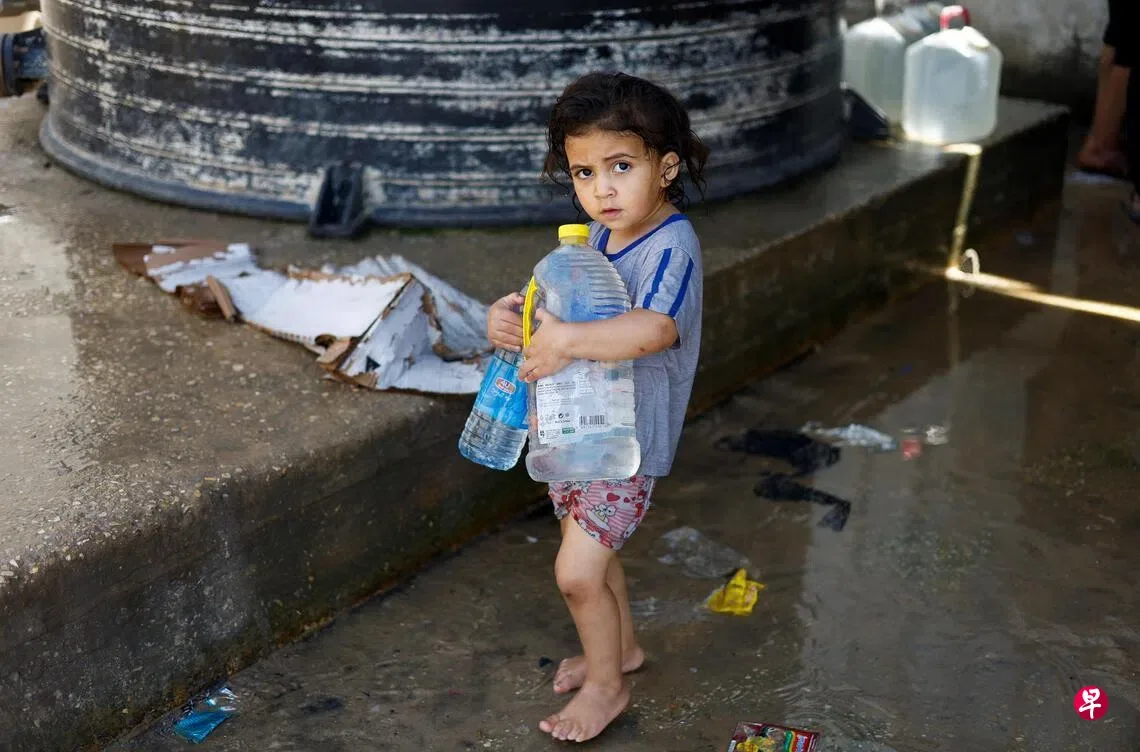
Economic hardship burdens Gaza’s population. Some 83% of households report no income. Almost half of residents receive less than 15 liters of water per person daily, exacerbating food insecurity [4, 5]. The 2025 war displaced nearly all Gazans and destroyed infrastructure, limiting recovery efforts [1, 4, 5].
Israel denies pursuing a policy to starve Gaza and says it has allowed sufficient aid since the ceasefire, while the Israeli military authority COGAT accuses Hamas of diverting aid supplies [1, 3]. IPC reports warning of food shortages and malnutrition have faced Israeli criticism over bias [1].
WFP director Ross Smith warned, "The situation will deteriorate" without more funding and said, "Without sufficient funding, we will be forced to scale back assistance for people who depend on it for survival" [3, 6]. WFP projects deeper cuts by October 2026 if new resources are not secured [3, 6].