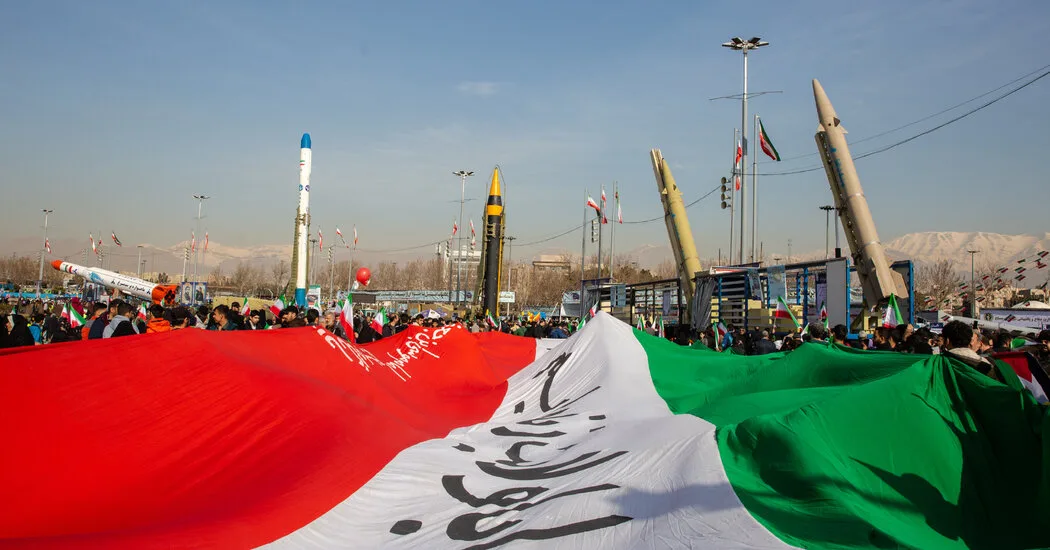
Classified US intelligence assessments from early May 2026 show Iran has regained operational access to most of its missile sites, launchers and underground facilities nationwide, retaining roughly 70 percent of its prewar missile stockpile and mobile launchers [1, 2, 3, 4, 5].
According to the assessments, Iran has restored access to 30 of the 33 missile sites it maintains along the Strait of Hormuz, with only three sites remaining completely inaccessible [1, 2, 3, 5]. The missile stockpile includes ballistic missiles capable of regional targeting and a smaller supply of cruise missiles for shorter-range land or sea targets [1, 2, 4].
Iran is estimated to control approximately 90 percent of its underground missile storage and launch facilities, which are assessed as partially or fully operational [1, 2, 4]. These findings contradict earlier public statements by former President Trump and Pentagon officials who claimed Iran's military was shattered and no longer posed a threat. Trump said in a prior statement, "Iran’s missiles are down to a scatter and the country had nothing left in a military sense," while Defense Secretary Pete Hegseth described Operation Epic Fury as having "decimated Iran’s military" [1].
The ceasefire that began on April 8, 2026, following US and Israeli strikes against Iran on February 28, has been extended indefinitely by President Trump, though follow-up diplomatic talks led by Pakistan have stalled [4]. White House spokeswoman Olivia Wales rejected claims Iran had rebuilt its military, calling such views "delusional or a mouthpiece for Iran’s Islamic Revolutionary Guards Corps," and said "Iran’s government knows that its current reality is not sustainable" [4]. President Trump also dismissed Iran's latest response to a US proposal to permanently end the conflict as "totally unacceptable" [4].
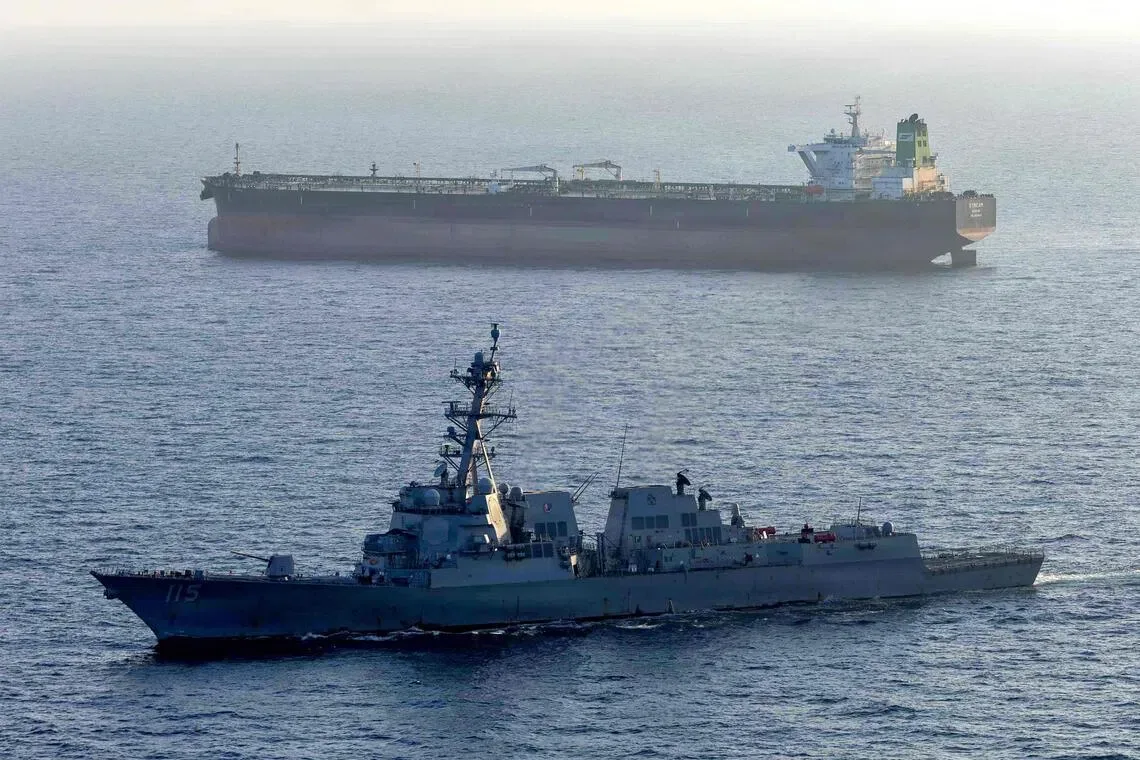
The US and allied intelligence agencies continue to monitor Iran’s missile capabilities amid ongoing diplomatic efforts to secure a long-term resolution.