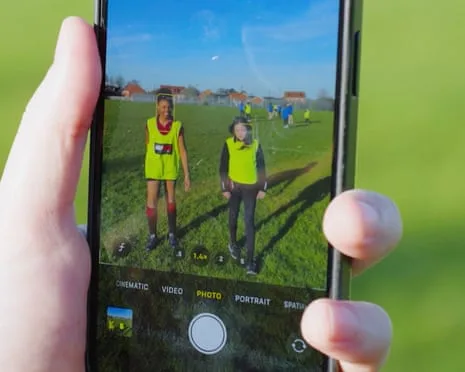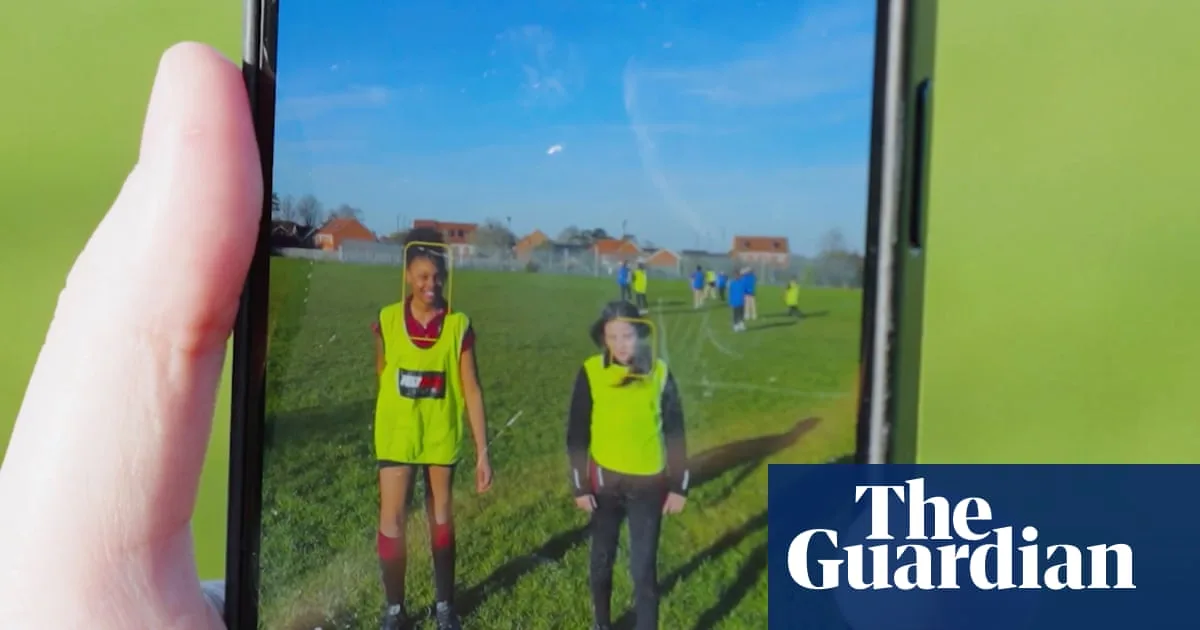
The UK National Crime Agency (NCA) and Internet Watch Foundation (IWF) issued new guidance in early July warning parents and carers that publicly posting images of children online can lead to those images being used to create AI-generated child sexual abuse material (CSAM) [1, 2, 3]. Tim Wright, Senior Manager at the NCA, urged parents, "We encourage parents and carers to take a few simple steps today" to protect children’s images [1].
The guidance recommends parents restrict social media accounts to private settings or share children's photos only with trusted groups such as "close friends." It also advises auditing old images online and revisiting consent agreements with schools and organizations about photo publication [1, 4, 3]. Lorna Sinclair, Child Sexual Abuse Education Manager at the NCA, said, "The average parent or carer does not post a picture of a child online thinking that it might be scraped to be turned into CSAM. There are lots of parents and carers who do not know that this problem exists" [1].
The IWF identified 8,029 AI-generated realistic child sexual abuse images and videos in 2025, marking a 14% increase from 2024, when only 13 AI-generated videos were found [1, 2, 4]. The number of AI-generated videos surged dramatically from 13 in 2024 to 3,440 in 2025, demonstrating a sharp rise in this type of abuse material [2, 4]. Kerry Smith, Chief Executive of IWF, described the threat as "disturbing," warning that anyone with imagery online "could be easy pickings for criminals and anyone, especially children, could find themselves being targeted" [2].
Criminal gangs have exploited publicly available pictures of UK school pupils to create threatening AI-generated sexual abuse images, sometimes accompanied by warnings of school targeting [2]. Experts stressed that criminals no longer need to contact or groom children directly. Instead, AI tools allow them to generate harmful content without direct interaction [1, 4, 3].
Many parents and carers remain unaware that images they share publicly can be scraped and manipulated into explicit AI-generated content by criminals [1, 3].
The new guidance from the NCA and IWF released on July 3 and 4 is part of an urgent effort to educate parents on emerging AI threats to children's online safety [1, 2, 3].