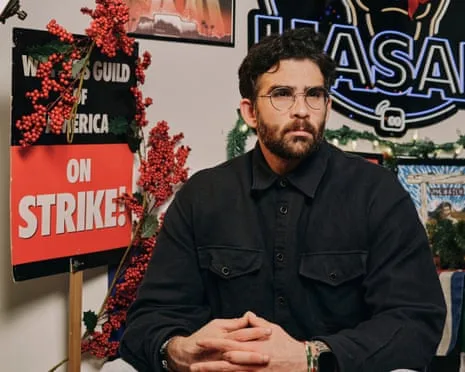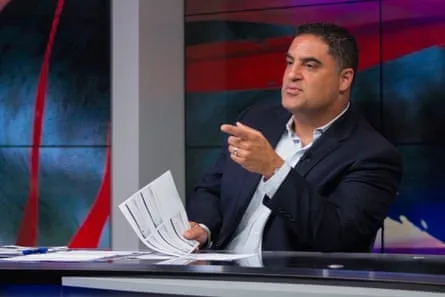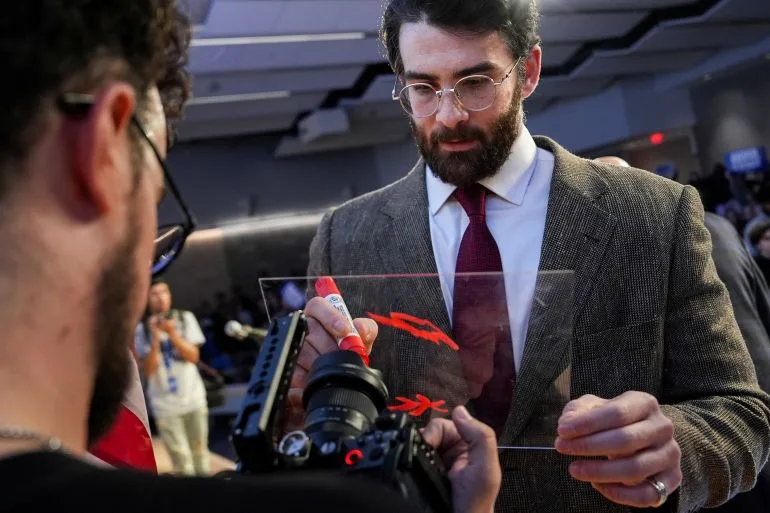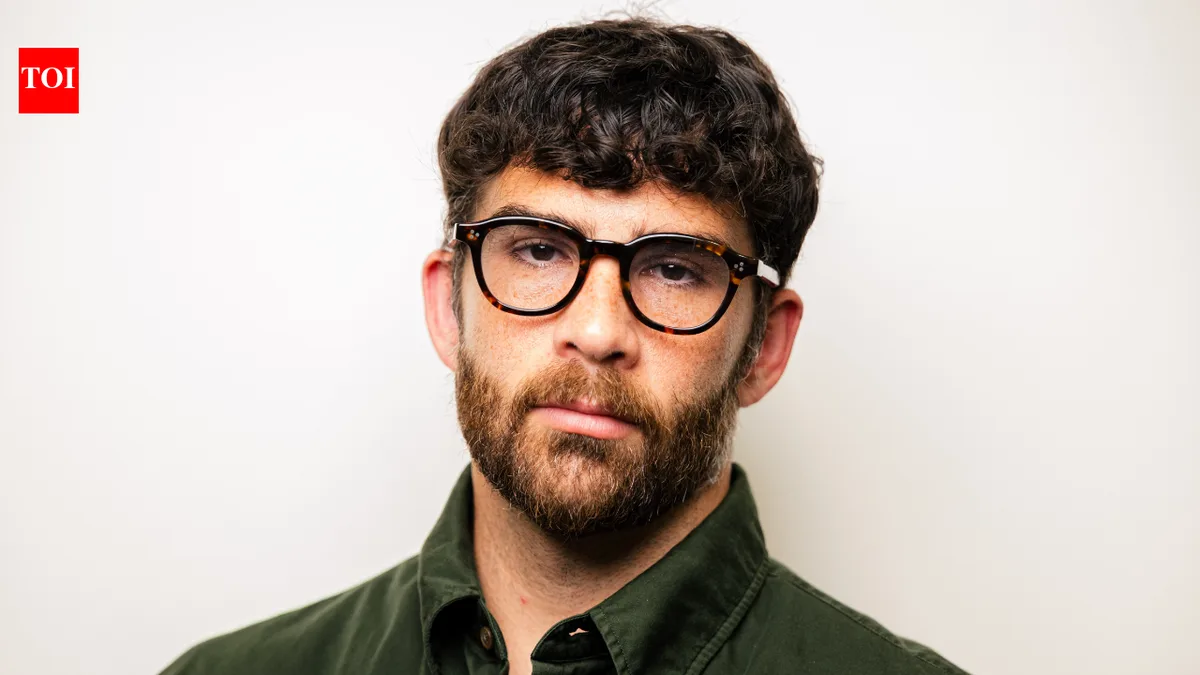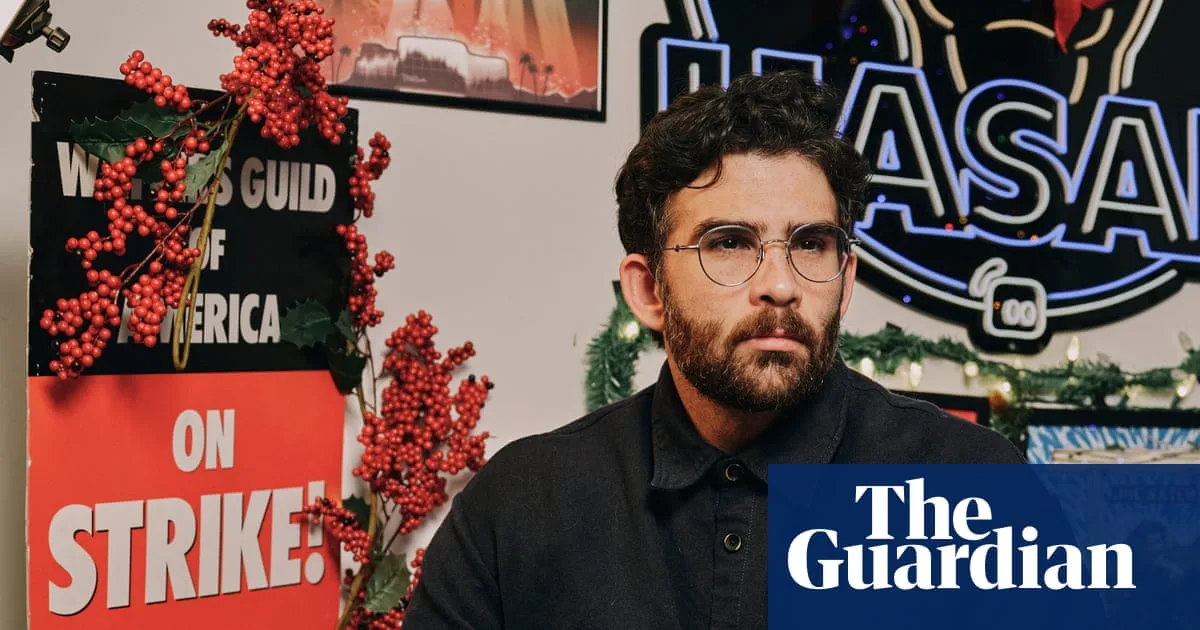
The UK government revoked Electronic Travel Authorisations (ETA) for US political commentators Cenk Uygur and Hasan Piker on June 1, barring them from entering the country ahead of scheduled appearances at the SXSW London festival and Oxford University talks [1, 2, 3, 4].
The Home Office stated the bans were issued because their presence "may not be conducive to the public good" and posed risks to public order [1, 2, 3, 4]. Officials described Uygur's criticism of Israel and his claims about Israeli influence on US politics as antisemitic [1, 2, 4]. Uygur said, "The British government is saying they’re banning me because I am ‘a serious risk to the public order’ due to my criticism of Israel" [2]. He also added, "The mighty United Kingdom is afraid of speech that shows you who’s responsible for … war crimes. But no amount of censorship will get us to stop telling the truth" [1].
Hasan Piker connected the ban to his outspoken pro-Palestinian stance. He stated, "It’s a sad state of affairs where obviously the interests of Israel take highest priority" [2].
Free speech advocates criticized the UK government’s decision. Jemimah Steinfeld, CEO of Index on Censorship, called the ban "paternalistic" and said it "assumes we are just passive consumers of views rather than people who can think, judge and challenge" [1]. Critics also pointed to a lack of transparency in the banning process [1, 3].
This action follows a recent UK ban on US rapper Ye (formerly Kanye West) over antisemitic remarks, suggesting a pattern of restricting figures judged antisemitic [4]. Uygur has cited data showing 94% of US Congress donations come from pro-Israel sources to support his claims [2, 4].
The bans halt Uygur and Piker's planned June 2026 appearances in the UK, including the high-profile SXSW London events set to showcase their commentary and political views [1, 2, 3, 4].