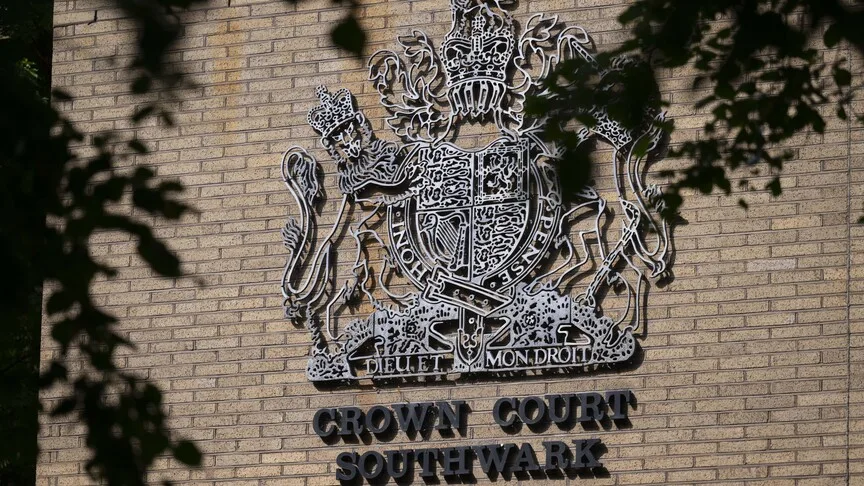
The UK government started trials of AI-powered legal assistants in Crown Courts across England and Wales on June 9, 2026, aimed at reducing a record backlog of more than 80,000 cases and speeding up justice delivery [1, 2, 3].
Judges will test AI tools designed to identify trial-ready cases and group similar hearings, improving court efficiency and easing delays [1, 2, 3]. The Ministry of Justice is working with UK legal experts and AI developers under strict ethical and safety standards during the controlled trial phase before any broader rollout [2, 3].
David Lammy, Deputy Prime Minister and Justice Secretary, announced the pilot at London Tech Week, saying, "Artificial intelligence has the power to transform how we live, work and govern for the better." He added the AI tools have already saved probation officers an estimated 18,750 calendar days of administrative work annually by automating transcription with Justice Transcribe [1]. Lammy highlighted that the AI aims to cut court backlogs and deliver faster justice for victims [1].
The backlog of Crown Court cases has risen sharply to over 80,000 in 2026, compared to 38,108 cases before the Covid-19 pandemic in 2019 [2, 3]. The government’s approach also includes upgrading case management systems and providing AI support for routine legal research and case analysis to assist lawyers and court staff [3].
The Law Society of England and Wales urged caution. Chief Executive Ian Jeffery said the pilot must be "thoroughly evaluated" and the results made public. He warned that technology cannot substitute for needed funding or additional court staff. Jeffery stressed the importance of robust safeguards to maintain justice integrity [1, 2].
Concerns remain about AI errors. Last year, 18 of 45 case law citations in a damages case were found to be fictitious and linked to AI use. A 2025 review found an AI hallucination was used to justify banning football fans from a match [1]. Criminal Bar Association Vice-Chair Andrew Thomas KC said, "AI could handle routine tasks more efficiently but judges and lawyers must understand its limitations... AI should support legal professionals rather than replace them." [2]
The government plans to monitor the AI trials carefully within controlled environments before deciding on wider implementation in Crown Courts [2, 3].