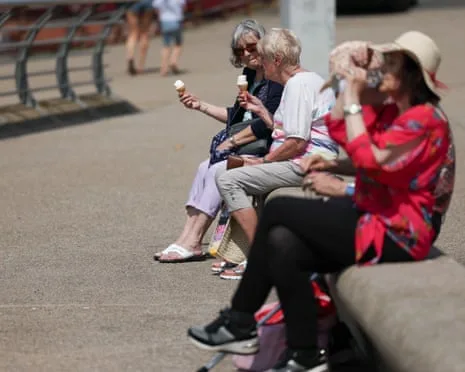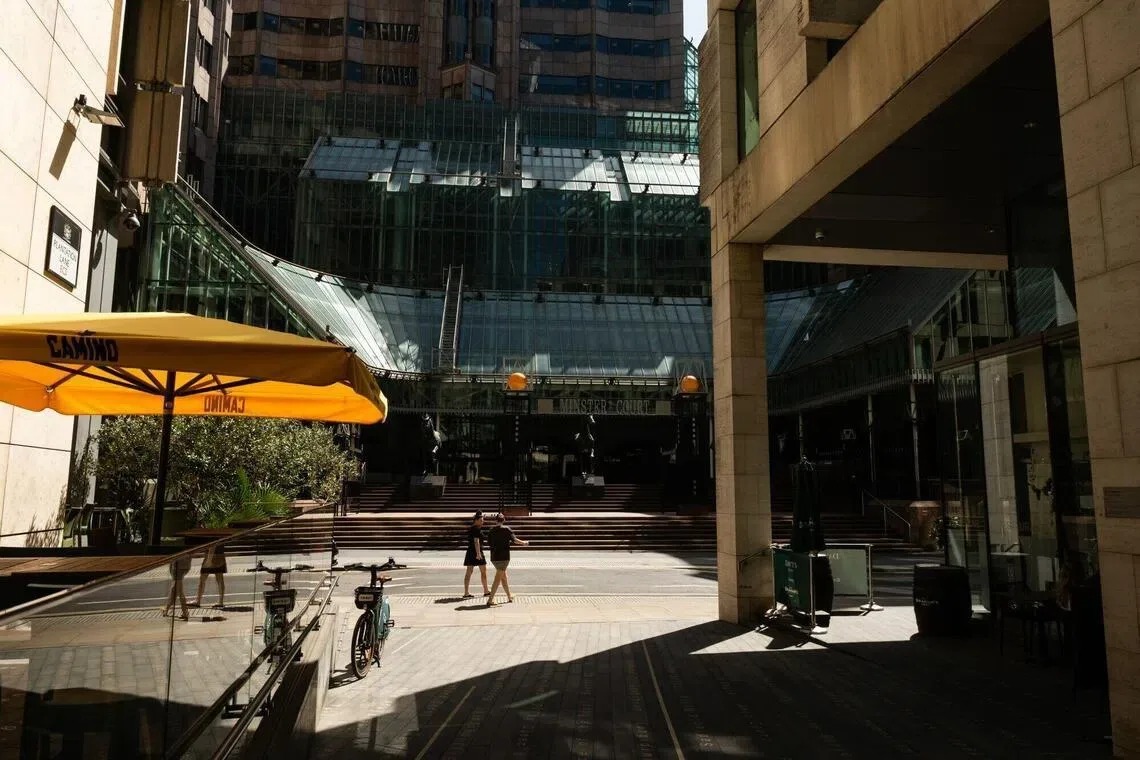
The UK experienced record-breaking May heat on May 26, 2026, with daytime temperatures surpassing 35C in parts of England, including London, marking some of the hottest May weather ever recorded [1, 2]. The day followed the earliest tropical night on May 25, when London temperatures remained above 21C overnight, exceeding previous records for a tropical night defined by temperatures above 20C [2, 3].
Many public buildings, including hospitals and care homes, are struggling with the heat. Some hospital rooms reached 29C, causing discomfort and health risks for patients and staff. Karl, a Methodist minister from south London, described how he had to splash water on himself to cool down and said, “At one point I couldn’t stay in the room because I was starting to feel sickly” [1]. He added, “The government needs to speed up investment in infrastructure. It’s not enough just to make nice noises. You need to change things.”
Experts warn that Britain’s lack of air conditioning worsens the impact. The infrastructure and historical building designs generally restrict or exclude air conditioning use. Ms Vanessa Chan, an expat from Hong Kong, said, “The whole infrastructure in the UK is not designed for the heat” [2]. American writer Ms April Richardson described the conditions as feeling like “you’re walking through soup” [2]. Gary Woodward, managing director of Airconco, said the lack of air conditioning often baffles those from warmer countries [2].
Health officials note the risks of extreme heat especially for vulnerable groups like older people, newborns, and those with underlying health conditions. The UK suffered over 3,000 heat-related deaths during the 2022 heatwave [1]. Experts warn against sleeping with electric fans on overnight due to risks of electrical fires, allergen circulation, dehydration, and muscle stiffness [3].
The UK faces growing pressure to improve heat preparedness in public and private spaces to reduce health risks. The record temperature days and early tropical nights come as warnings grow about climate effects on infrastructure and health.
The heatwave continues with authorities closely monitoring conditions after temperatures peaked on May 26 and tropical night conditions established on May 25 [1, 2, 3].