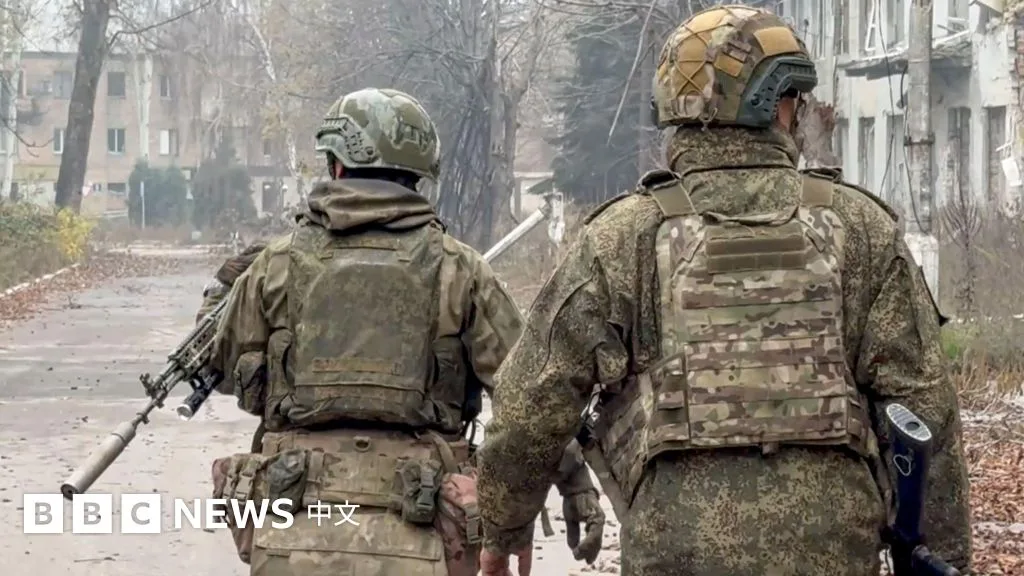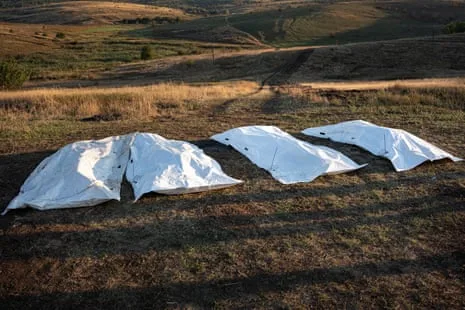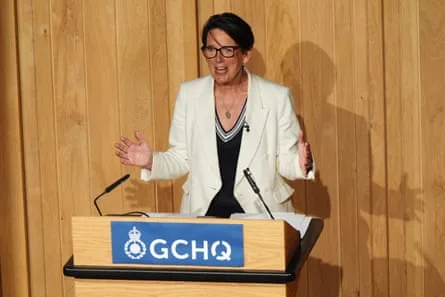
Anne Keast-Butler, chief of Britain's Government Communications Headquarters (GCHQ), disclosed on May 27 that nearly 500,000 Russian soldiers have been killed in Ukraine since the 2022 invasion began [1, 2, 3, 4, 5]. This figure surpasses earlier estimates near 352,000, which were derived from Russian probate records by independent analysts [1].
BBC and partner Mediazona have verified identities for 223,539 Russian soldier deaths through official documents, media reports, and grave analyses. Experts believe this confirmed number represents just 45%-65% of actual casualties [2, 3, 4, 5]. Ukrainian President Volodymyr Zelensky reported in February 2026 that approximately 55,000 Ukrainian soldiers have died since the conflict started [2, 3, 4, 5].
Keast-Butler said Russian forces are "going backwards on the battlefield" for the first time since late 2022, indicating recent setbacks for Moscow’s military [1]. She emphasized the ongoing threat of Russian hybrid warfare targeting UK critical infrastructure and democratic institutions through cyber attacks and espionage [1, 2, 3, 4, 5].
"One area in sharp focus for us is protecting the data and energy flowing through the critical cables and pipelines in and around British waters – we do this by exposing Russia’s intent, motive and underwater capabilities," Keast-Butler said [1]. In early 2026, UK leaders threatened to intercept Russian "shadow fleet" ships entering British waters. Since then, hundreds of such vessels have been tracked by BBC Verify analysis [2, 3, 5].
Western sources estimate Russian casualties—including killed and wounded—at around 30,000 per month as of April 2026 [1]. US Secretary of State Marco Rubio estimated 15,000 to 20,000 Russian soldiers are killed monthly [1]. Economist Janis Kluge estimates Russia recruits 800 to 1,000 troops daily to compensate for losses [1].
Keast-Butler stressed cybersecurity’s critical importance to British society and business. She called for immediate action to improve defenses, including adopting passkeys and embedding security in new technologies. "Cybersecurity is a key priority for all businesses," she said. "Our experts offer guidance at an unprecedented scale, but companies must act now not only to protect livelihoods and customers but also to defend our nation's economic front line" [5].
GCHQ, headquartered in Cheltenham in a building known as "The Doughnut," is the UK’s largest intelligence agency by budget [2, 3, 5]. The agency also focuses on combating organized crime networks that use phishing and ransomware against UK companies [2, 3, 4, 5].
The conflict began in February 2022 when Russia launched a full-scale invasion of Ukraine [1, 2, 3, 4, 5]. The next key moment will be ongoing monitoring of Russian military activity and cyber threats linked to the war, as GCHQ continues public briefings on these developments.