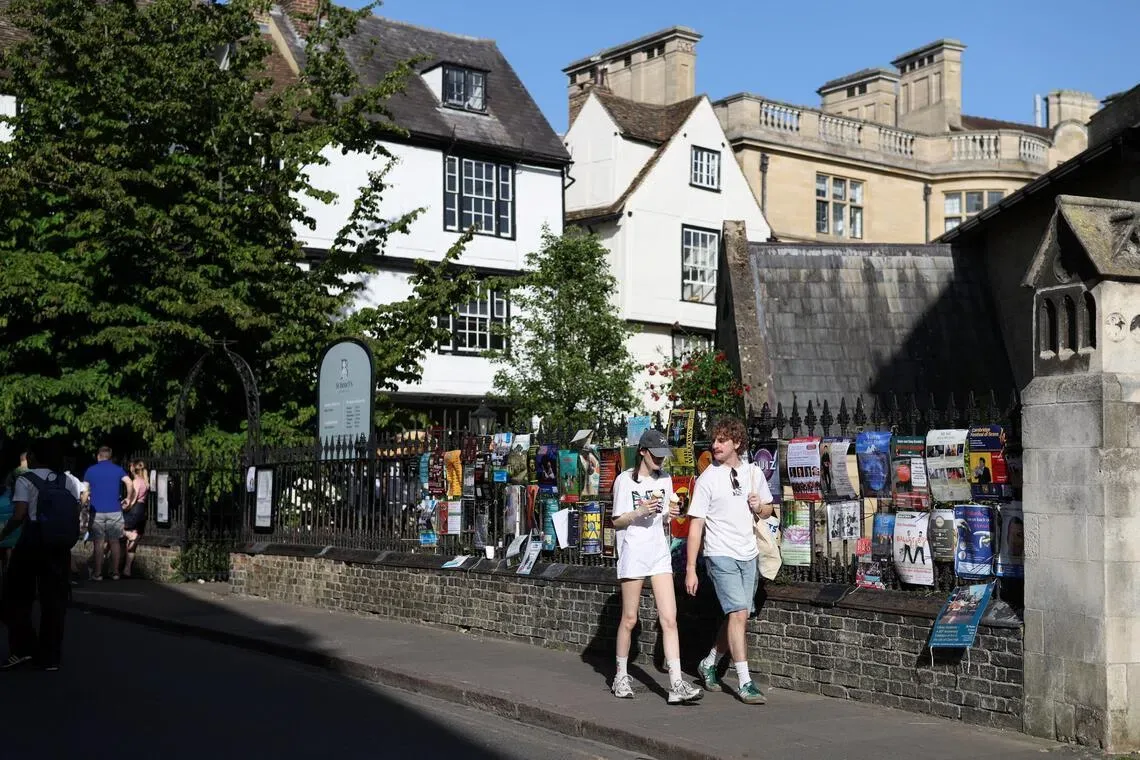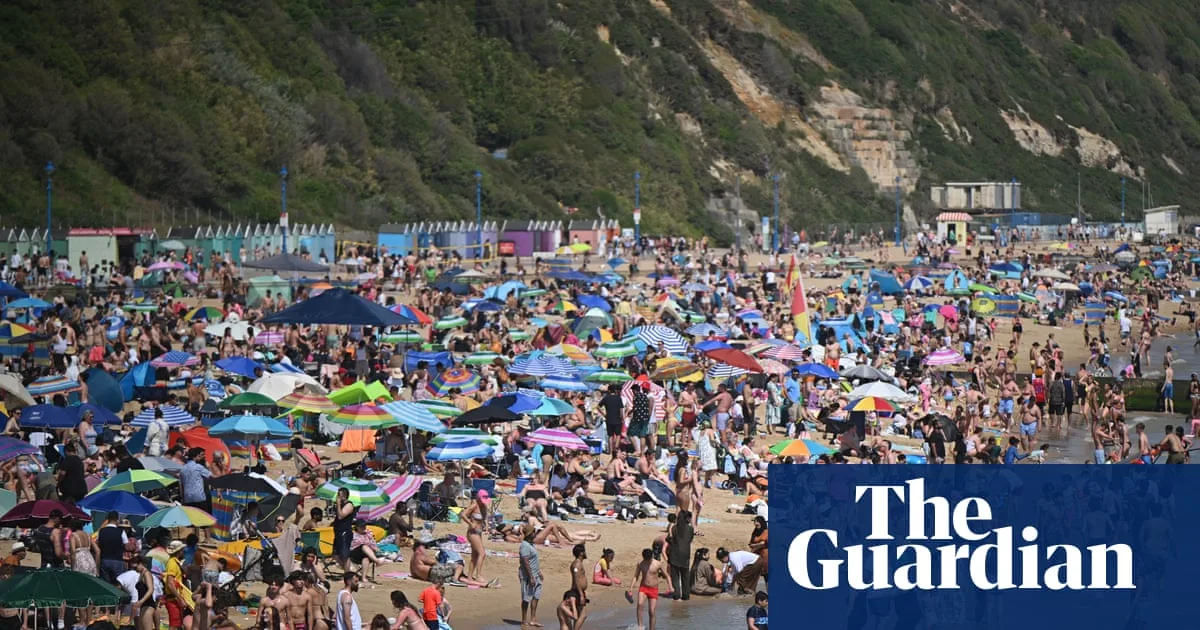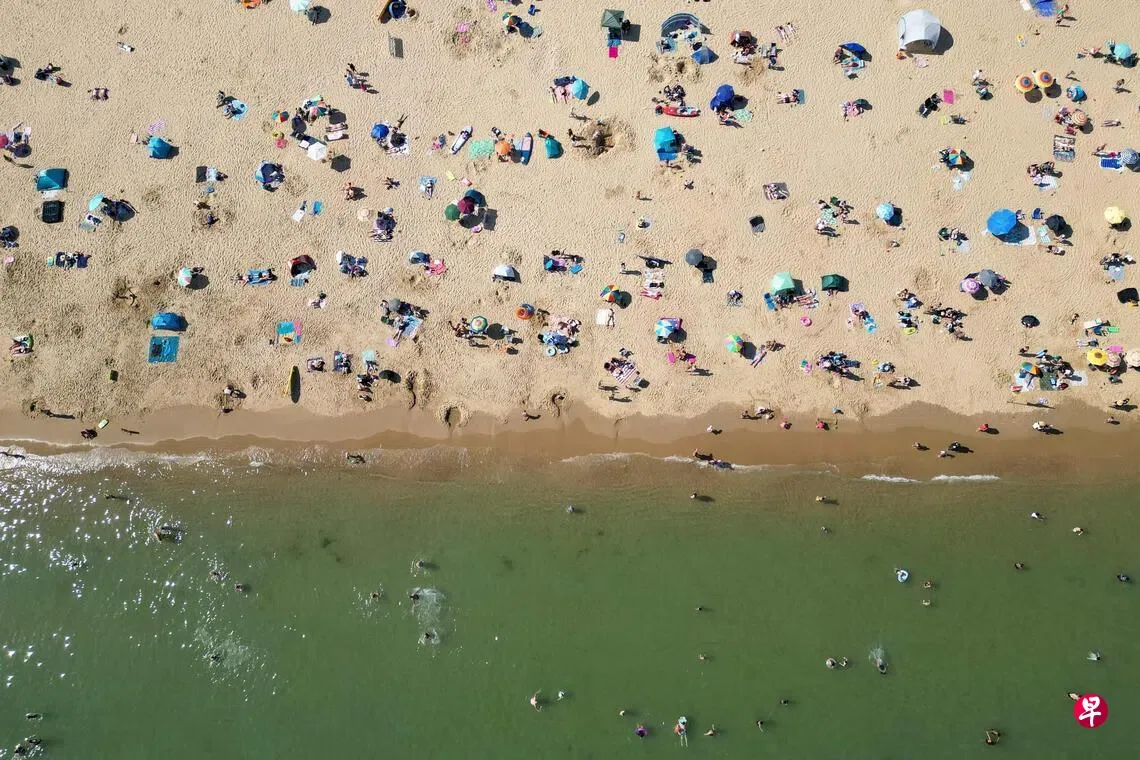
The UK recorded its highest ever May temperatures of 35C on May 25 and 26, shattering the previous record of 32.8C set in the early 20th century, with London and southern England hardest hit [1, 2, 3, 4, 5]. Overnight minimum temperatures also broke records, reaching 21.3C at Kenley Airfield in Greater London on the night of May 25-26, marking the first 'tropical nights' in May [1, 3, 4].
From May 22 until 5pm on May 27, the UK issued amber heat health alerts covering the East Midlands, West Midlands, East of England, London, and the South-east due to the unprecedented heat [6, 7, 3]. Yellow heat alerts covered northern and south-western regions. The UK Heat Security Agency warned the extreme heat put older adults, pregnant people, and those with pre-existing conditions at increased risk and strained health services [7, 3].
Heatwave conditions were met across multiple English locations including Heathrow, Kew Gardens, and Santon Downham between May 24-26 [8, 1, 4]. Police reported two deaths of boys in West Yorkshire and Rotherham during incidents involving bodies of water over the bank holiday weekend [4].
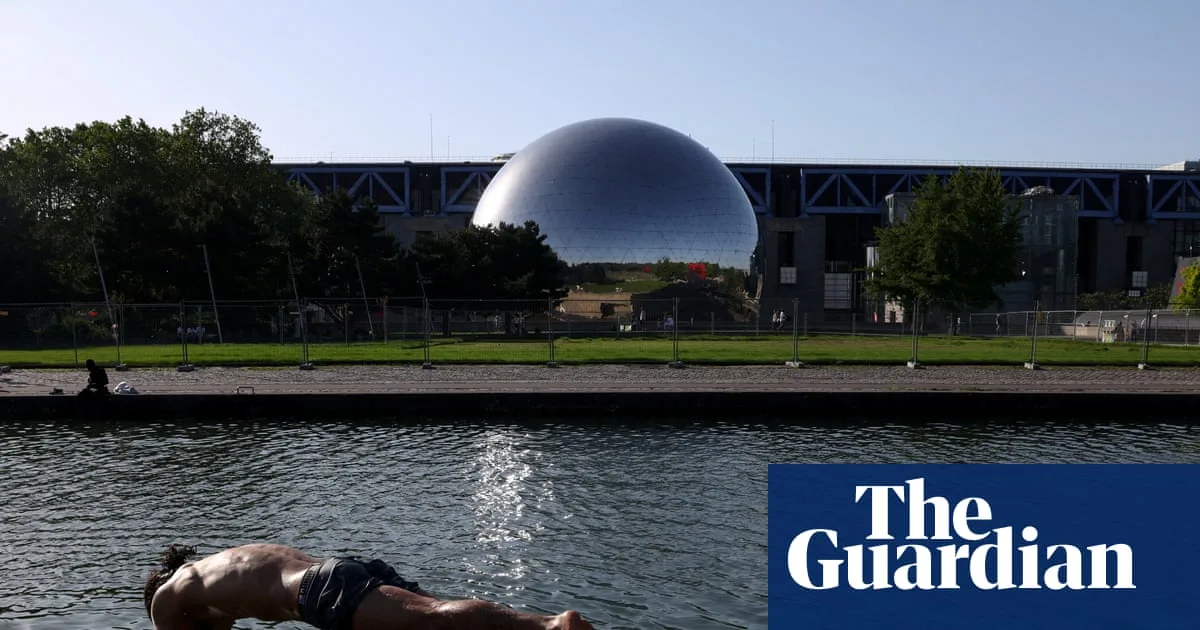
In France, the heatwave also broke records with the hottest May days on May 25-26, reaching up to 37.1C in the southwest and a national average temperature of 24.4-24.8C, the highest since records began [9, 10, 11]. Authorities linked seven deaths directly or indirectly to the heatwave by May 26, including five drowning deaths in lakes, rivers, or beaches [12, 10, 11]. French Junior Energy Minister Maud Bregeon confirmed, "Seven people have died in France in circumstances related directly or indirectly to the current heatwave. Five of the seven fatalities were people drowning in lakes, rivers or beaches" [12].
Meteorologists attributed the persistent early-summer heat to a 'heat dome' high pressure system trapping warm air over much of Western Europe including the UK, France, Ireland, Spain, and Italy [6, 9, 5]. The UK Met Office deputy chief forecaster Steve Kocher said, "Temperatures will climb through the weekend, especially in the south, where 30C is likely to be recorded on Saturday and 32C on Sunday. Temperatures are forecast to peak on Monday, when we could see 33C recorded in southern England and the Midlands" [6]. Jonathan Vautrey from the Met Office added that such temperatures would bring "our hottest bank holiday day on record, as well as our hottest day in May on record" [8].
Climate experts agree the extreme May heatwave is linked to human-induced climate change, increasing the frequency and intensity of heat records. Richard Betts of the UK Met Office climate impact unit said, "Due to climate warming, heatwaves become more severe. What we see now matches warnings we issued years ago... Although these records are more extreme and earlier than expected" [8, 9, 5].
The heatwave is expected to ease on May 27, with yellow weather warnings issued for isolated thunderstorms bringing heavy rainfall and hail in some UK areas [4]. Scientists warn further heatwaves may occur this summer, intensified by an upcoming super El Niño event likely to increase heat extremes into 2027 [1].