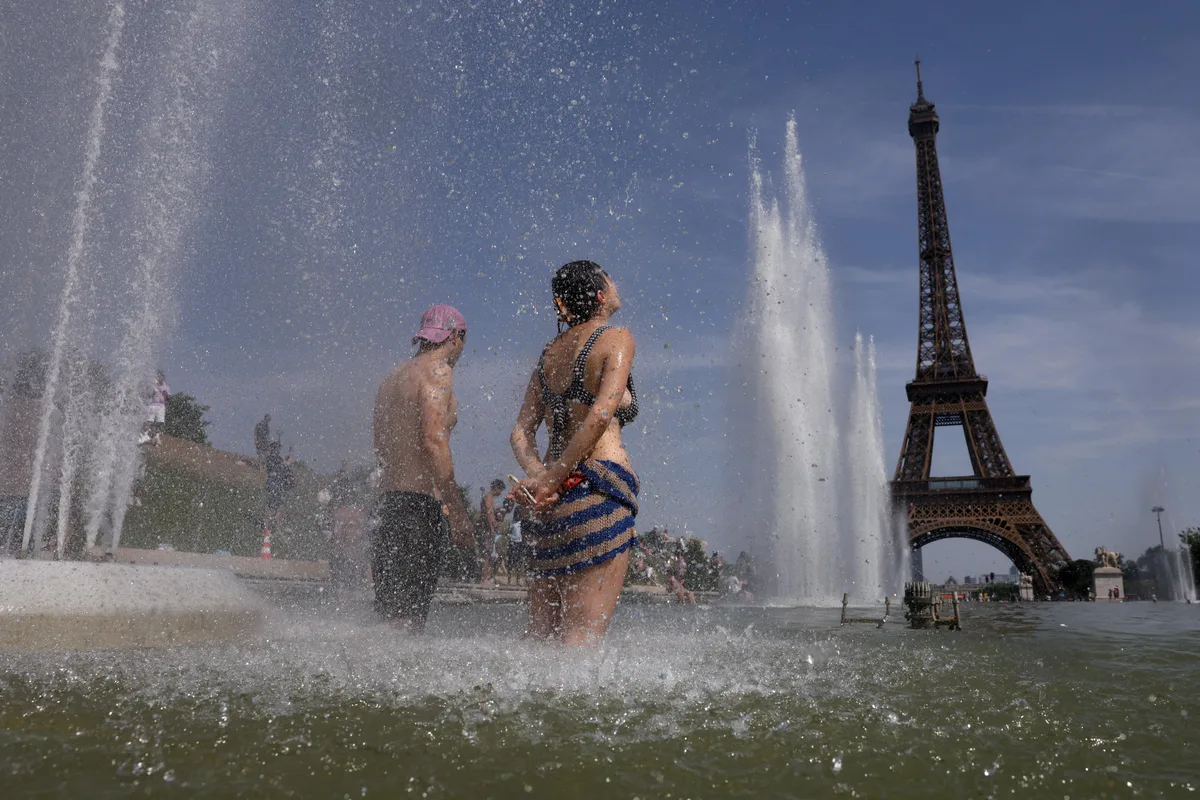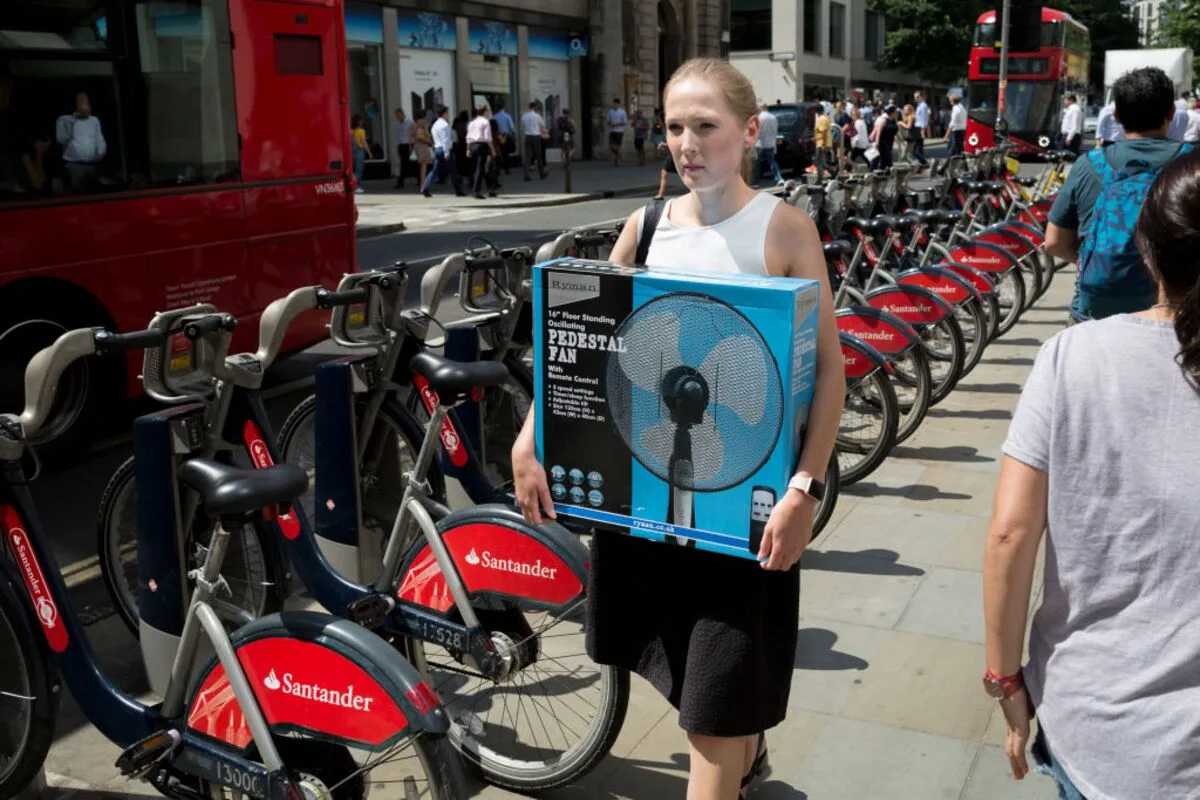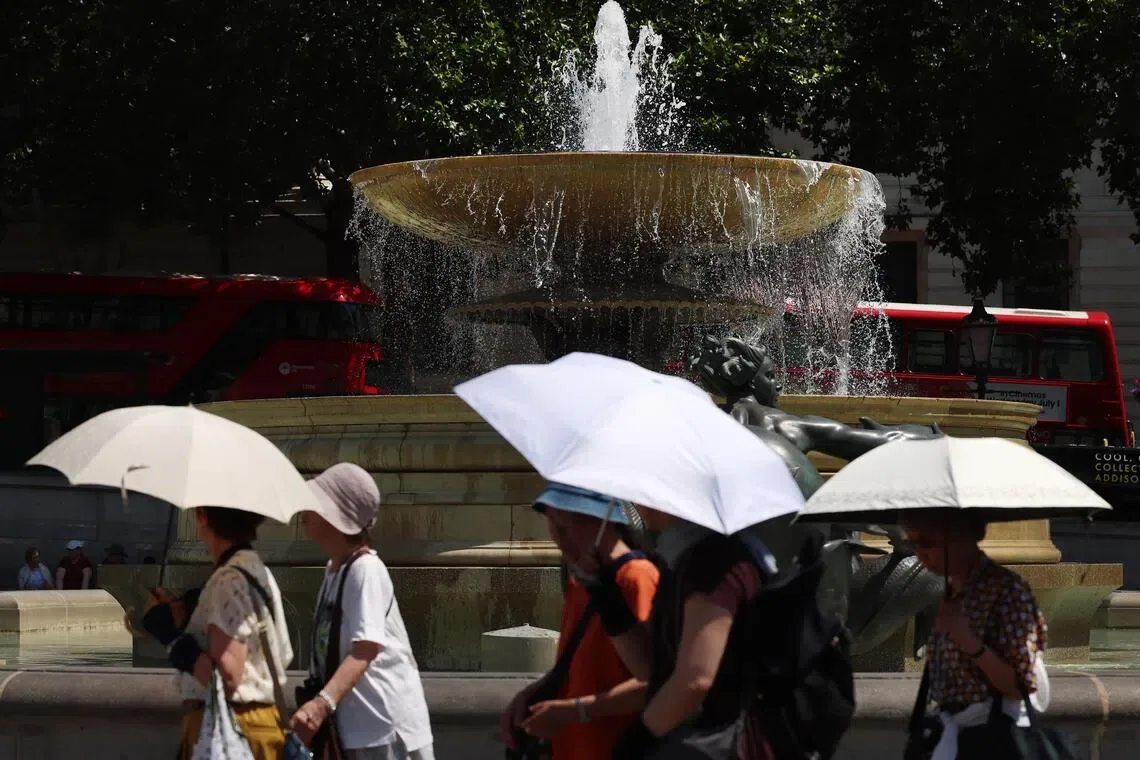
The UK experienced an intense heatwave in late June 2026, shattering previous June temperature records across southern England, parts of Wales, London, and the Midlands. On June 24, temperatures reached a provisional high of 36.1C, surpassing the 1976 June record of 35.6C [1, 2, 3]. Some locations recorded peaks between 38C and 40C during the wave [4, 5].
The Met Office issued a rare red extreme heat warning covering southern England, south Wales, London, and the Midlands from June 23 to 25, signaling dangerous conditions and risks to life [6, 4, 5, 7, 8, 9, 1, 2, 3]. Earlier warnings included amber alerts from June 18, which progressively expanded as forecasts predicted highs up to 38C lasting from June 22 to 25 [10, 6, 4]. Gregory Wolverson, deputy chief forecaster at the Met Office, explained the pattern was "a contrast we often see in summer, with more unsettled conditions passing to the north-west while heat builds in the south and east" [10].
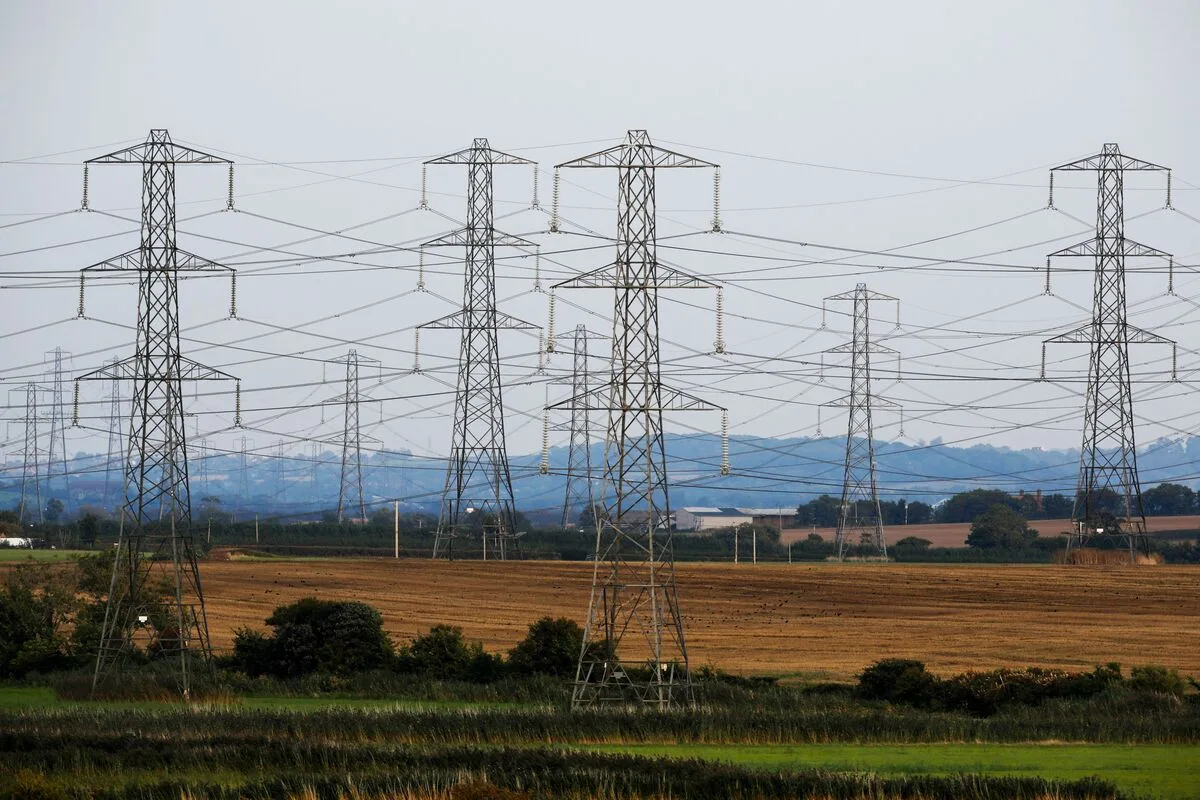
The extreme heat led to widespread disruptions including at least 300 school closures, reduced train services, cancelled hospital appointments, and hosepipe bans across affected areas [7, 8, 9, 1, 2, 3]. The UK’s grid operator also issued a rare summer power supply warning on the evening of June 23, calling for an extra 1.9 gigawatts of capacity from power plants to cope with soaring electricity demand and low renewable output [11, 9].
High humidity compounded the heatwave, causing oppressive conditions with tropical nights where temperatures stayed above 20C in southern England. Met Office chief forecaster Matthew Lehnert said, "High humidity is an additional factor for this heatwave, which will mean the heat will feel much more potent for many" [4, 8, 1]. Water safety concerns rose as well. Ross MacLeod, RNLI water safety manager, warned about cold water shock during the heat: "The sea or open water may look inviting during hot weather, but it remains cold enough year-round to trigger cold water shock, which can cause uncontrollable gasping, increased heart rate, and can lead to panic and drowning very quickly" [10, 6]. At least 15 deaths were reported during a May heatwave with water-related incidents, prompting safety advice [10, 6].
Experts warned that UK infrastructure is not ready for such extremes. Professor Bill McGuire said, "Temperatures of more than 43C are now possible in the UK’s current climate, with heatwaves lasting for several days... The country’s health services, energy infrastructure and transport are simply not built for these conditions" [5]. Met Office chief scientist Stephen Belcher noted, "Human induced climate change has made events like this more likely and more intense" [7]. Tedros Adhanom Ghebreyesus, director general of WHO, stated, "Temperatures across Europe are rising at roughly twice the global average rate, increasing the likelihood and severity of extreme heat in the future" [1].
The Met Office and UK Health Security Agency issued multiple amber and red warnings advising vulnerable groups and the public to take precautions to avoid heat-related illnesses during the crisis [10, 6, 4, 5, 1]. The heatwave subsided after June 25, but the severe strain on schools, transport, healthcare, water supplies, and power systems peaked during those critical days.
The UK grid operator’s extra call for 1.9 GW capacity on June 23 highlights ongoing energy challenges under extreme weather conditions [11, 9]. Recovery efforts continue as authorities assess the full impacts on infrastructure and public services.