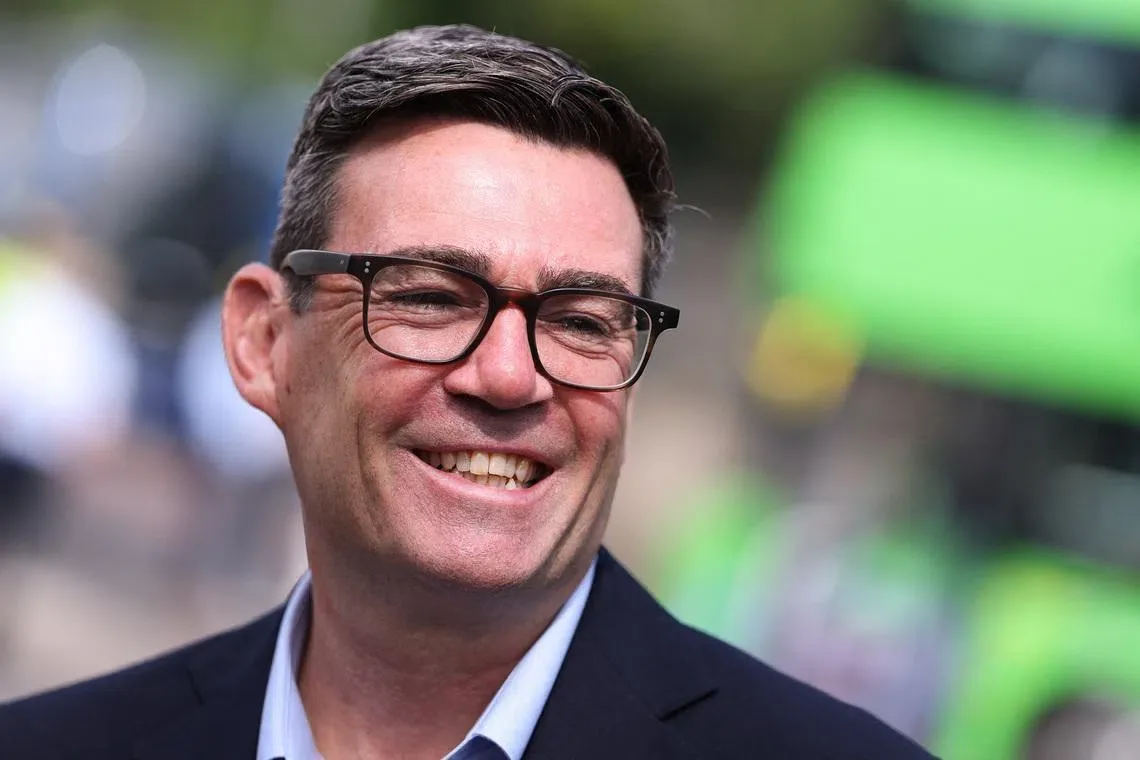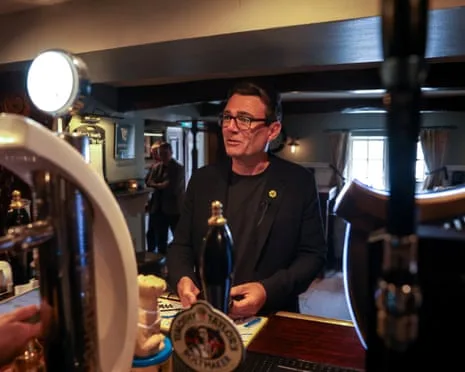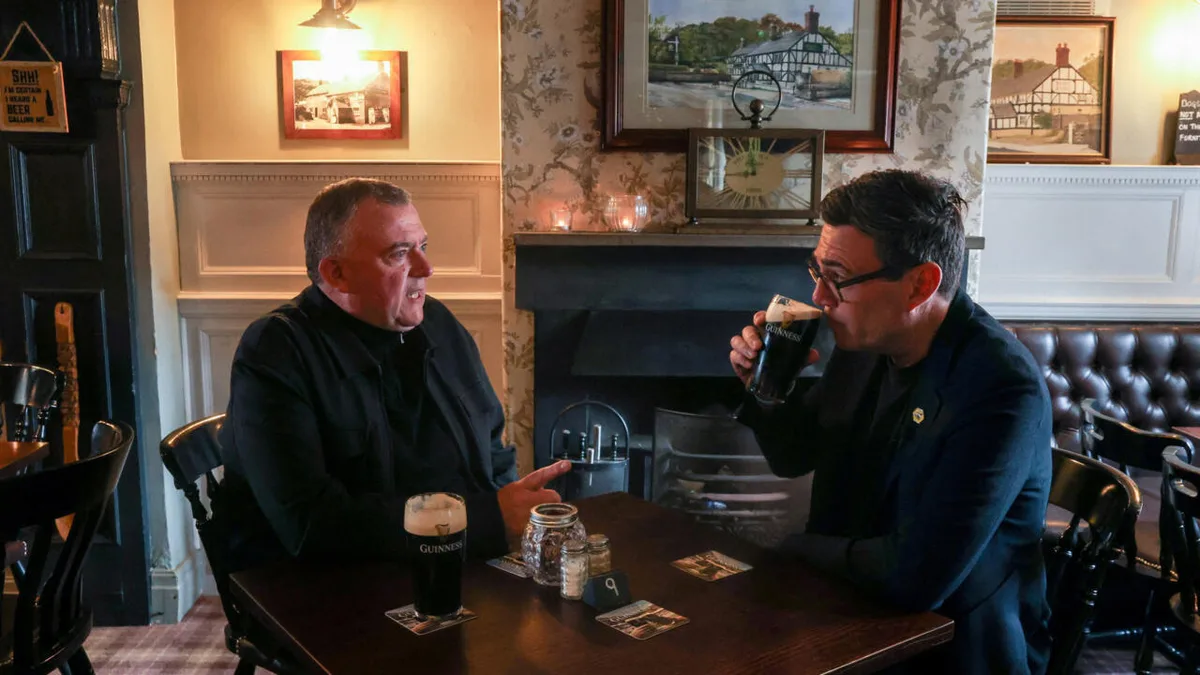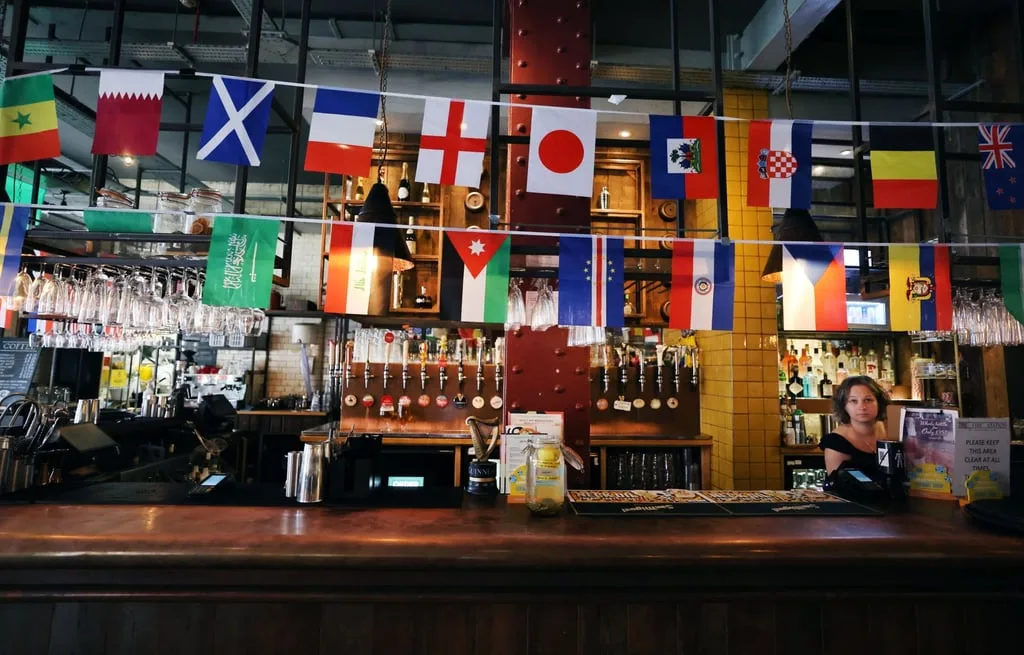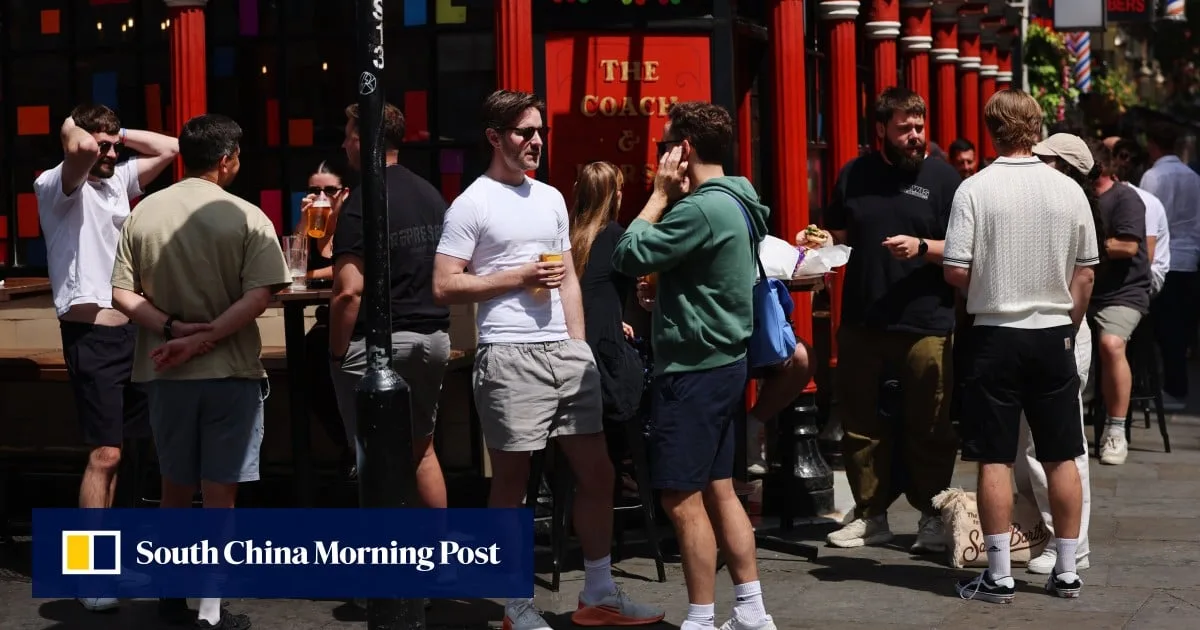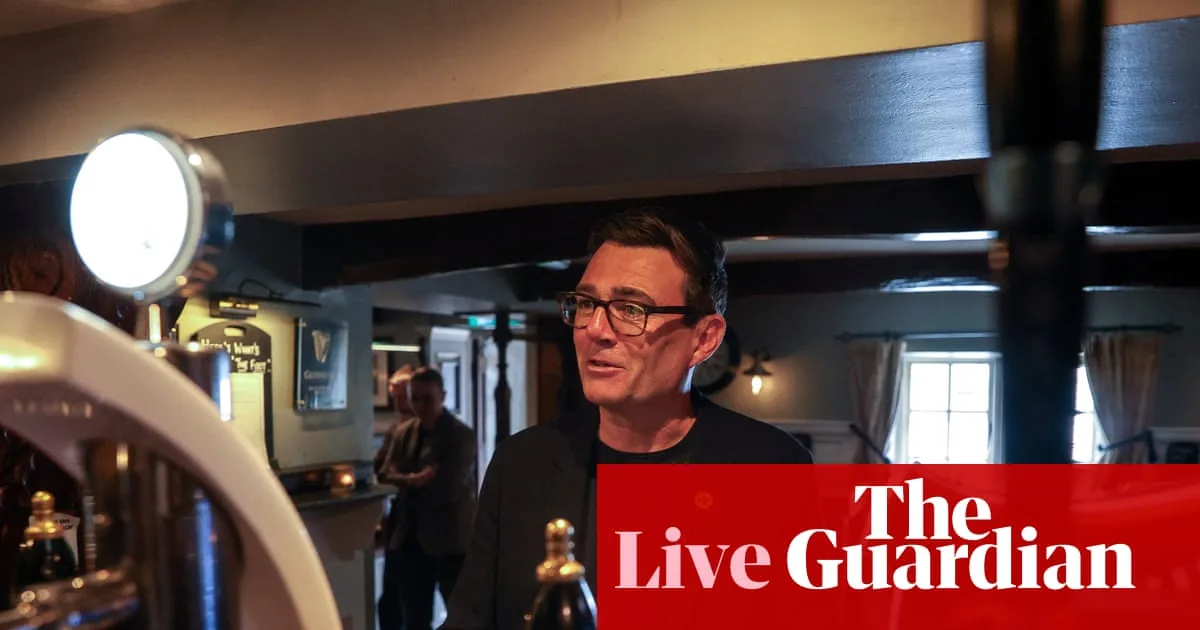
UK Prime Minister Andy Burnham announced a 20% reduction in business rates for pubs, clubs and live music venues in England, set to take effect in April 2027 [1, 2, 3, 4]. Nearly 32,000 hospitality venues are expected to benefit from this tax relief, with typical pubs saving around £1,100 annually [1, 2, 3, 4, 5]. Burnham said, "This government will back the businesses that people want to see in their communities," highlighting the support for these venues [1].
The policy is expected to cost the government about £100 million a year and will be funded by reviewing reliefs for businesses deemed not to contribute positively to communities, such as vape shops, and cracking down on tax evasion through online marketplaces [1, 2, 3]. However, the largest live music venues are excluded from the cut, with Chancellor John Healey set to provide further eligibility details in the autumn budget [1, 3].
Burnham, who took office on July 20, 2026, recently announced this as his third major policy, following the removal of VAT on domestic electricity bills and a cap on most bus fares in England [2, 6, 5]. He described pubs as "our heritage," calling them "working-class culture" that is central to communities and warned, "Once pubs are gone, they don't come back" [7]. Emphasizing urgency, he said, "We're losing pubs. Pubs need to know that the cavalry is coming" [5].
Despite the welcome relief, hospitality groups said the cut falls short of industry demands that include halving sales tax and broader reforms for restaurants and hotels [2, 7]. Some pub owners, including Ian Hoskins of Ma Pub Group, described the cut as "chipping away" at larger previous increases, calling it a "drop in the ocean" compared to last year’s rate rises [1, 6, 5]. Pubs in the UK have been closing at roughly one per day due to rising costs such as energy and labor bills [5].
The 20% business rates reduction will begin in April 2027, with further details on eligibility scheduled for the autumn 2026 budget [1, 2, 3, 4].