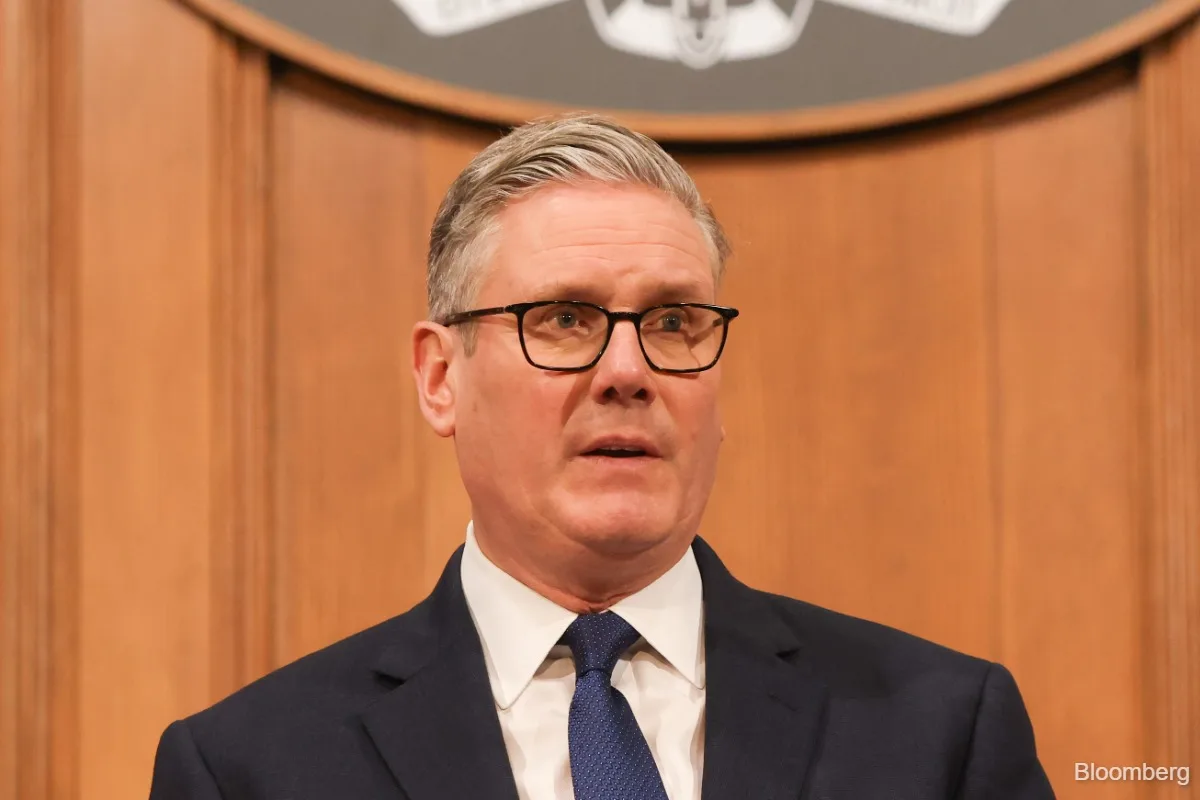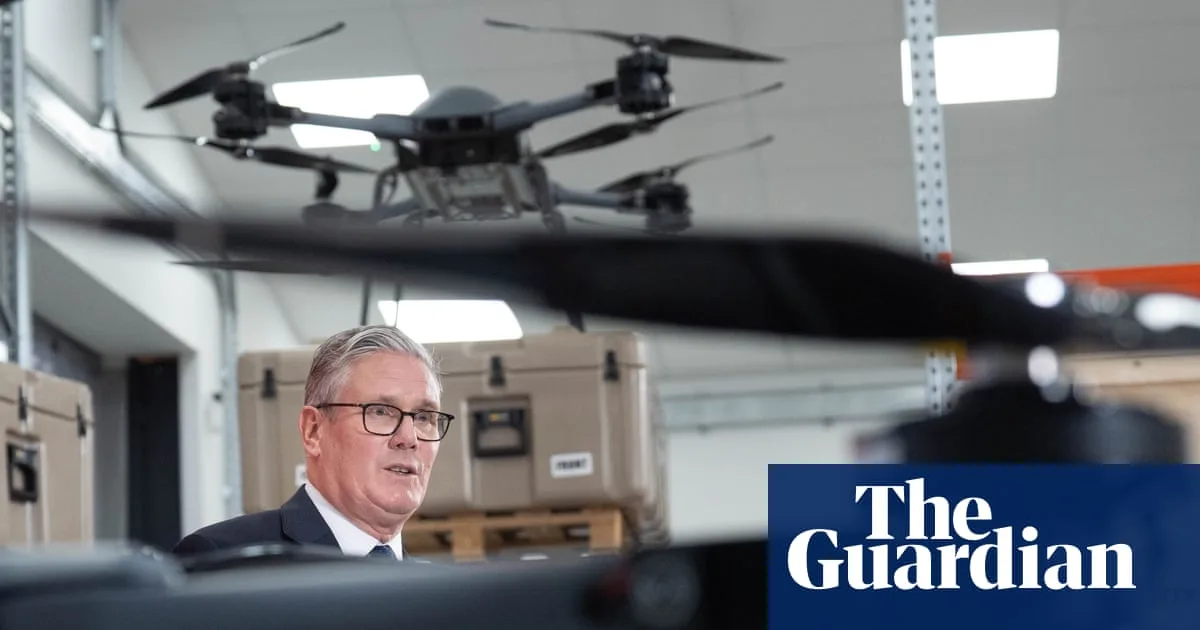
UK Prime Minister Keir Starmer announced a £15 billion increase in defence funding over the next four years as part of a new Defence Investment Plan aimed at modernising Britain’s armed forces [1, 2, 3, 4, 5]. The plan prioritises technology-driven capabilities including drones, autonomous weapons, a hybrid navy, and next-generation stealth fighter jets [1, 2, 3, 4, 5].
Starmer said the government would spend nearly £80 billion annually on defence by 2029, up from previously allocated funds of £283 billion over four years [2, 3, 5]. The plan allocates £5 billion specifically for investment in drones and autonomous weapons, more than £63 billion for nuclear projects including the Dreadnought and Aukus submarines, and over £8 billion for the Gcap stealth fighter jet [1].
The prime minister warned against funding the defence increase through borrowing, stating, "Defence bonds are just borrowing by another name. We’ve looked at this very carefully... Doing this through borrowing will push interest rates higher at a time when £1 in every £10 already goes on paying their interest" [1]. Some funding will be reallocated from other government departments, including energy, transport, and housing schemes, as well as possibly military housing upgrades [1].
Starmer noted, "When the world is arming and aggression is rising, the best way to avoid war is to prepare for it" as he unveiled the plan in southern England on June 29, 2026 [2]. Trade union leader Matt Roberts of GMB described the boost as "some stability for a sector besieged by insecurity," emphasizing the need for effective delivery [3]. NATO Secretary General Mark Rutte welcomed the plan as "a good step towards reaching the 3.5% of GDP on defence agreed in The Hague last year" [3].
The plan targets defence spending reaching 3.5% of the UK’s GDP by 2035, exceeding NATO’s core target and amounting to approximately 4.2% of GDP [2, 3]. Former Defence Secretary John Healey resigned on June 11, 2026, citing insufficient funding and disagreement with Starmer’s approach [1, 4]. Opposition parties criticized the package as inadequate, with Conservative leader Kemi Badenoch calling it "barely half what the armed forces say is needed," and Liberal Democrat leader Ed Davey calling it late and underfunded [5].
Starmer is scheduled to present the Defence Investment Plan at a NATO summit in Ankara on July 7-8, 2026 [2, 3]. Andy Burnham is expected to succeed Starmer as UK prime minister around July 20, 2026 [1, 2, 3].