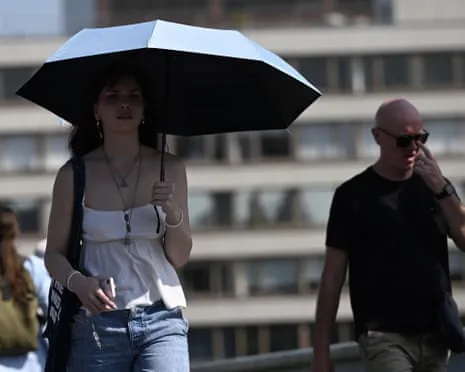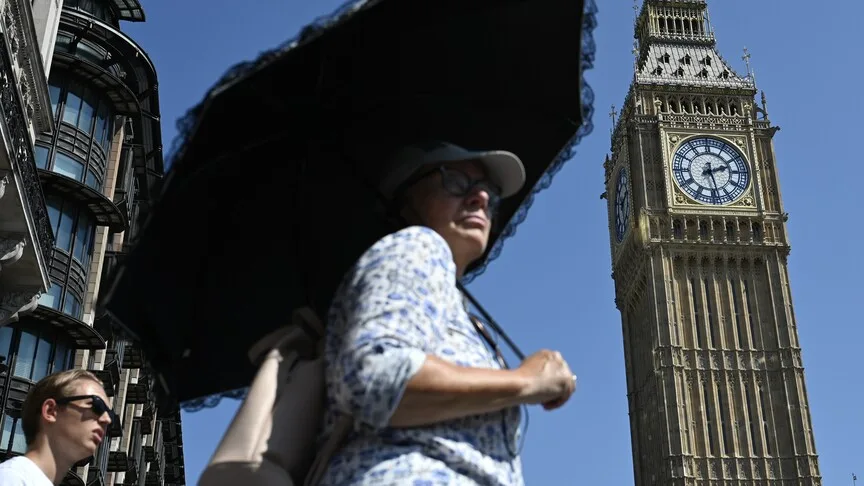
Summer 2026 in the UK was provisionally the hottest on record, with an average mean temperature of 16.5C from June to August, the Met Office reported [1, 2, 3]. England, Wales, and Northern Ireland all broke their respective summer mean temperature records, while Scotland recorded its joint-sixth warmest summer [1].
The season included back-to-back heatwaves, with England reaching a peak temperature of 38.1C on August 13 at Kew Gardens in London [1]. July was the driest on record for England, with only 6.5mm of rainfall, about 10% of the long-term average for that month [1]. Nearly three quarters of England and all of Wales experienced drought conditions during the summer [2]. Late summer rainfall prevented some areas from setting record-low seasonal rain totals [3].
Human-induced climate change made the summer's high temperatures about 130 times more likely, according to the Met Office's analysis. Dr Mark McCarthy, head of climate attribution at the Met Office, said, "The summer of 2026 has been remarkable and is an example of the extremes we can expect to see more frequently as a consequence of human-induced climate change" [1]. A Met Office statement added, "The season’s mean temperature was made around 130 times more likely due to human-induced climate change" [3].
The heatwaves and dry conditions in England and Wales contributed to an estimated 2,877 excess deaths during May and June, nearly double the excess deaths recorded in the entire summer of 2025 [2]. Across Europe, around 35,000 excess deaths were linked to extreme heat during the summer [1].
The UK now faces ongoing challenges managing water resources and health risks from extreme heat as the country recovers from its hottest summer on record.