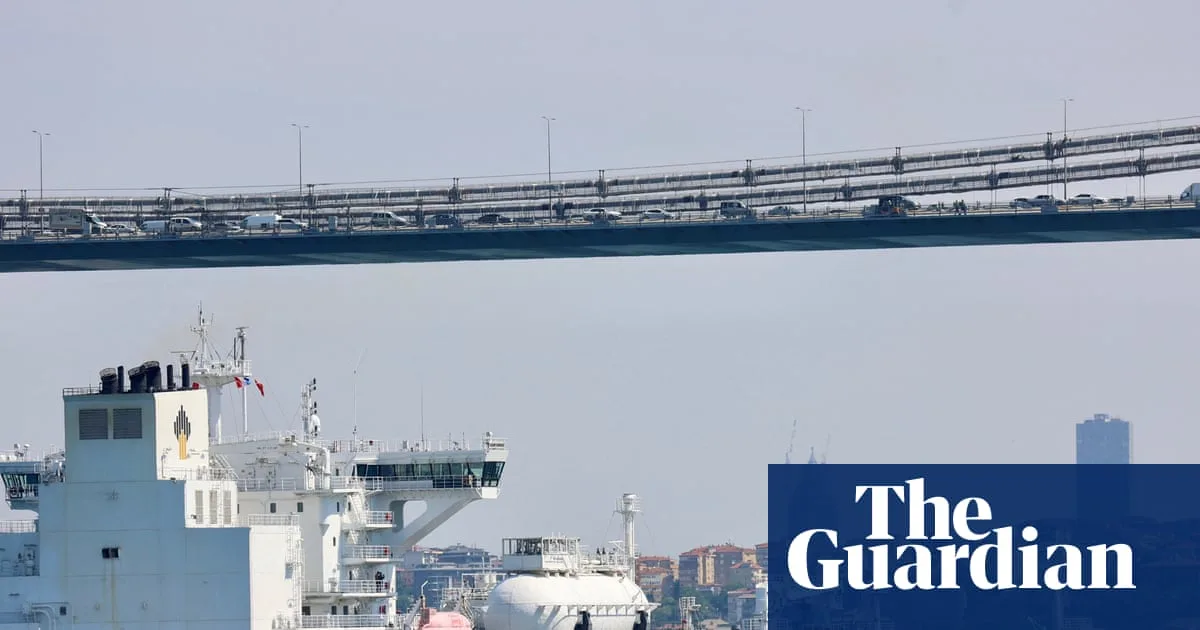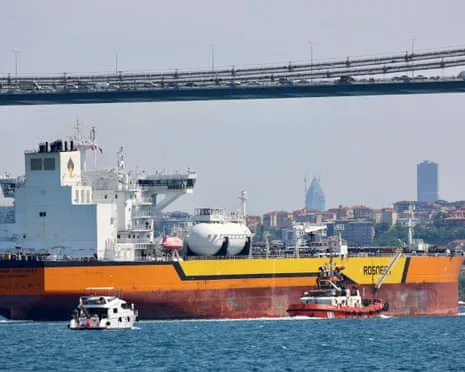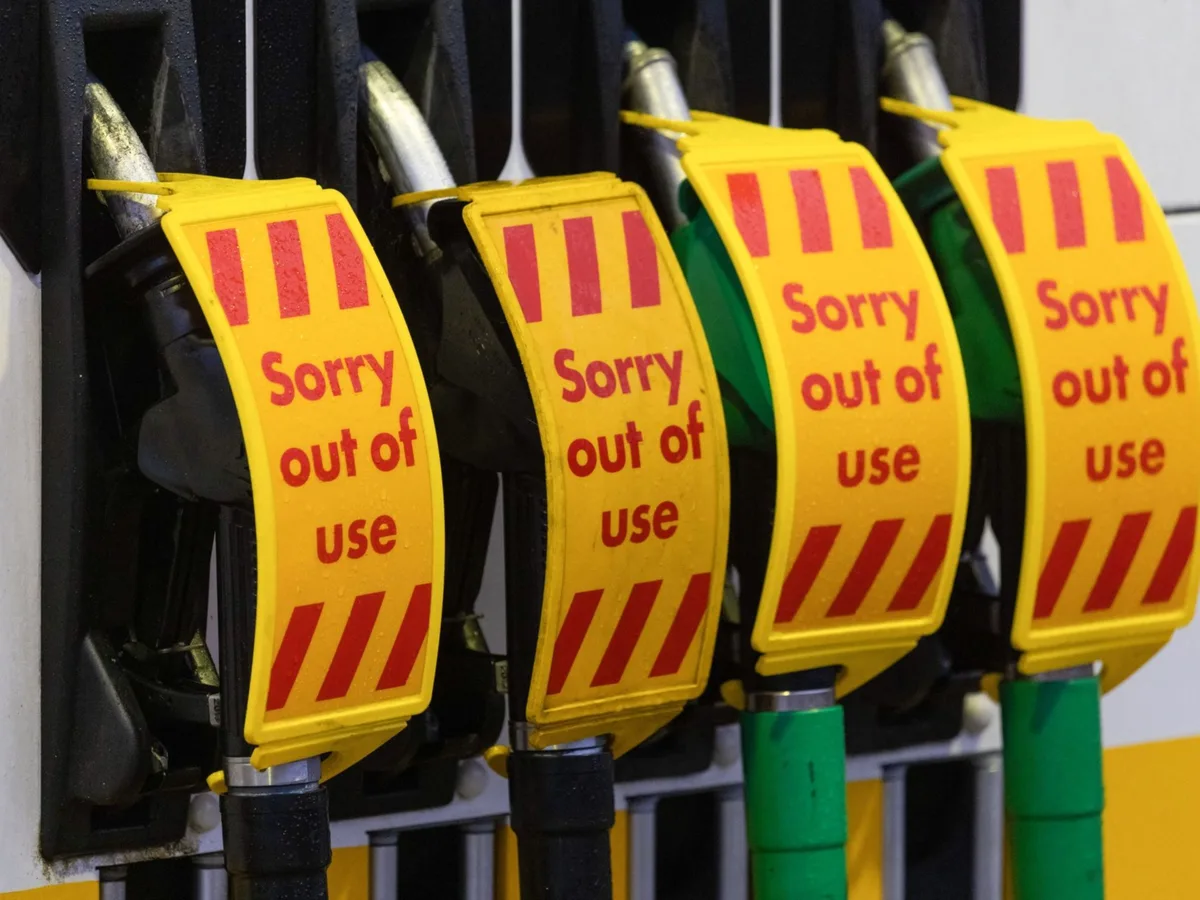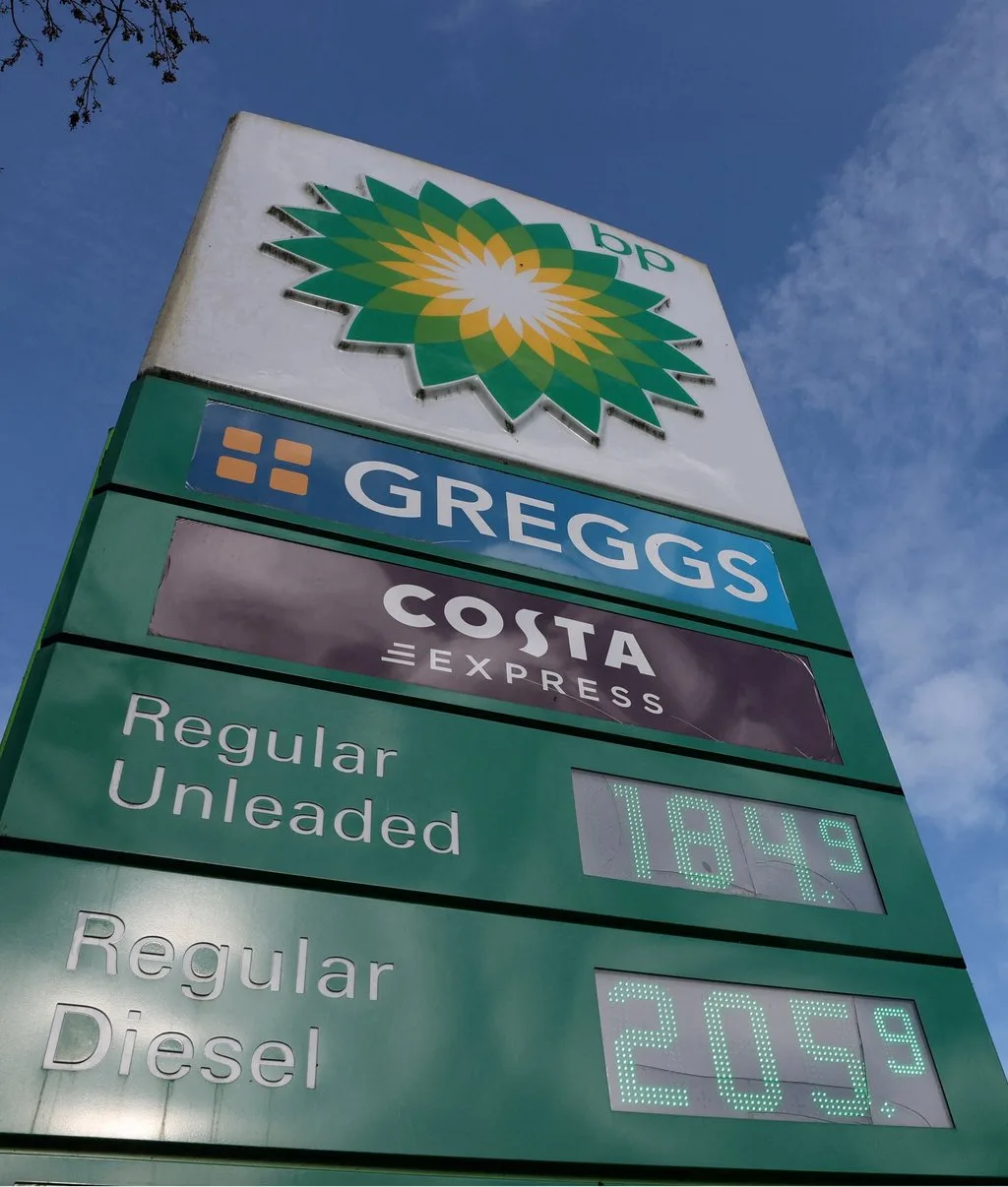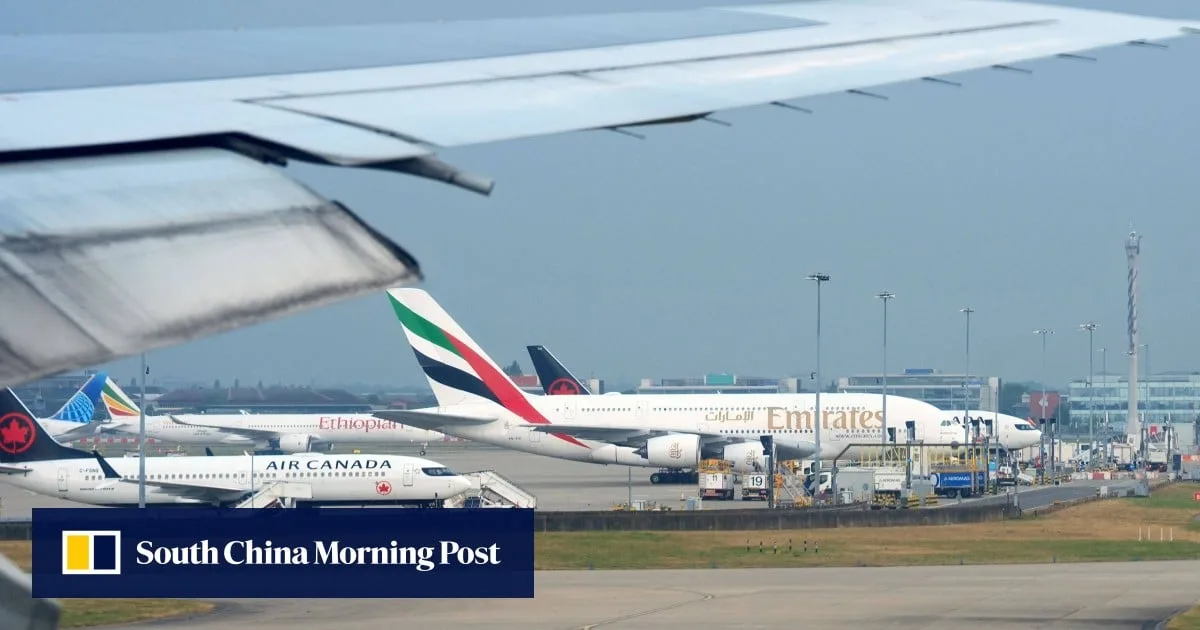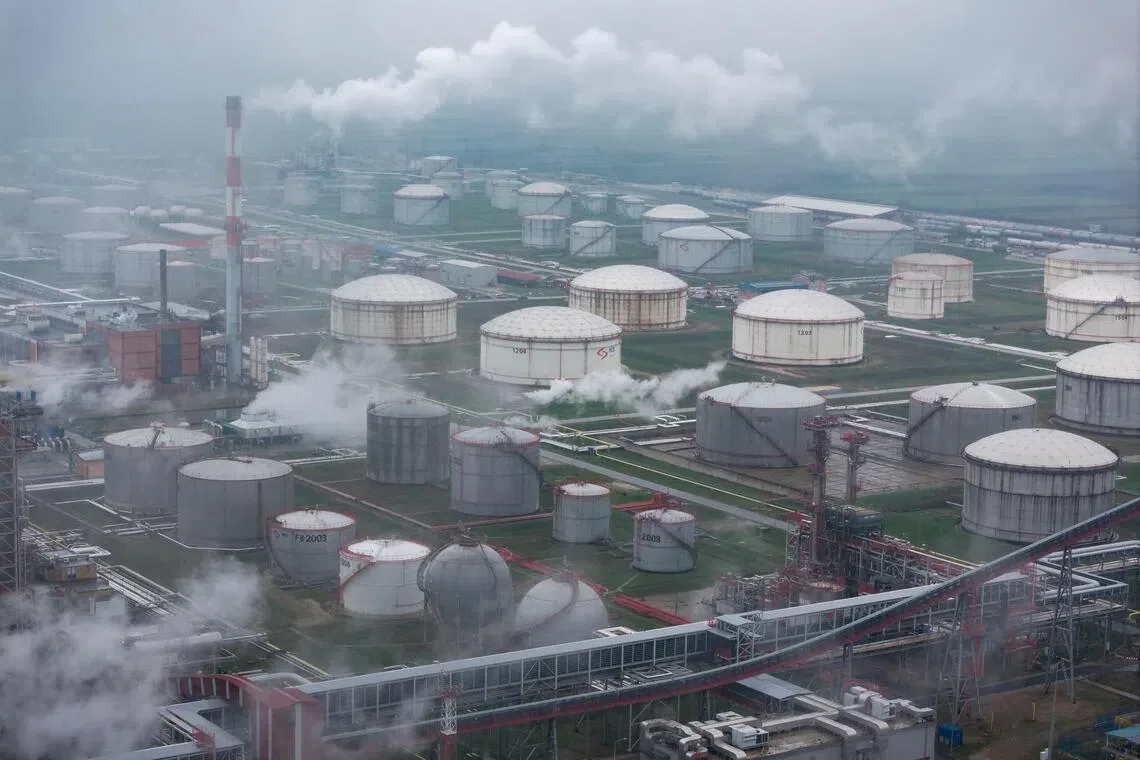
The UK government relaxed strict sanctions on imports of Russian jet fuel and diesel refined in third countries such as India and Turkey, allowing indefinite imports subject to periodic reviews. The trade licence easing these sanctions took effect on Wednesday, May 20, 2026, in response to soaring fuel prices triggered by supply disruptions from the US-Israeli conflict with Iran and the de facto blockade of the Strait of Hormuz [1, 2, 3, 4, 5].
Alongside oil products, the UK issued a temporary licence loosening sanctions on liquefied natural gas (LNG) from specific Russian plants and related maritime transportation [2, 4, 5]. UK Treasury Minister Dan Tomlinson described the easing as "small and specific," "time-limited" and necessary to protect the security of supply for foundational goods such as jet fuel. He said, "The government has announced yesterday this time-limited change to the rules around oil and refining given the extremes of the impacts of the conflict in Iran, and the impact of it washing up on our shores" [2, 5].
The UK emphasized the change is a targeted exemption focused on certain products, not a rollback of the broad sanctions regime it has maintained since Russia's 2022 invasion of Ukraine. The UK has sanctioned over 3,000 individuals and companies linked to Russia as part of its ongoing support for Ukraine [2, 4, 6]. Prime Minister Keir Starmer told Parliament, "It’s not a question of lifting existing sanctions in any way whatsoever. The sanctions announced yesterday were a new package... Two short-term licenses had been issued to phase the new sanctions in" [6].
The easing follows the US Treasury's extension on May 18 of a 30-day sanctions waiver allowing purchase of Russian oil cargoes already at sea. European Union officials at the G7 finance ministers meeting on May 19 criticized both the US waiver and the UK's easing, saying "It was not a time to ease pressure on Russia," according to EU economics commissioner Valdis Dombrovskis [1, 2, 4].
The UK government’s move drew criticism from opposition Labour figures, including Emily Thornberry, chair of the Foreign Affairs Committee, who said, "I’ve heard from people in Ukraine overnight and I know that they are very disappointed and have been asking me why it is that Britain is doing this". She added Ukrainians felt let down after Britain promised in October to close the sanctions loophole but had not acted [1]. Conversely, Conservative leader Kemi Badenoch accused the government of hypocrisy for quietly issuing the licence, saying, "After 18 months of ‘standing up to Putin’ the Labour govt quietly issued a licence allowing imports of Russian oil refined in third countries" [2, 6].
Despite the opposition split, the UK government stated its commitment to maintaining broad sanctions against Russia and continuing support for Ukraine. The new licences are set for periodic review to ensure they remain aligned with those goals [1, 4, 6].