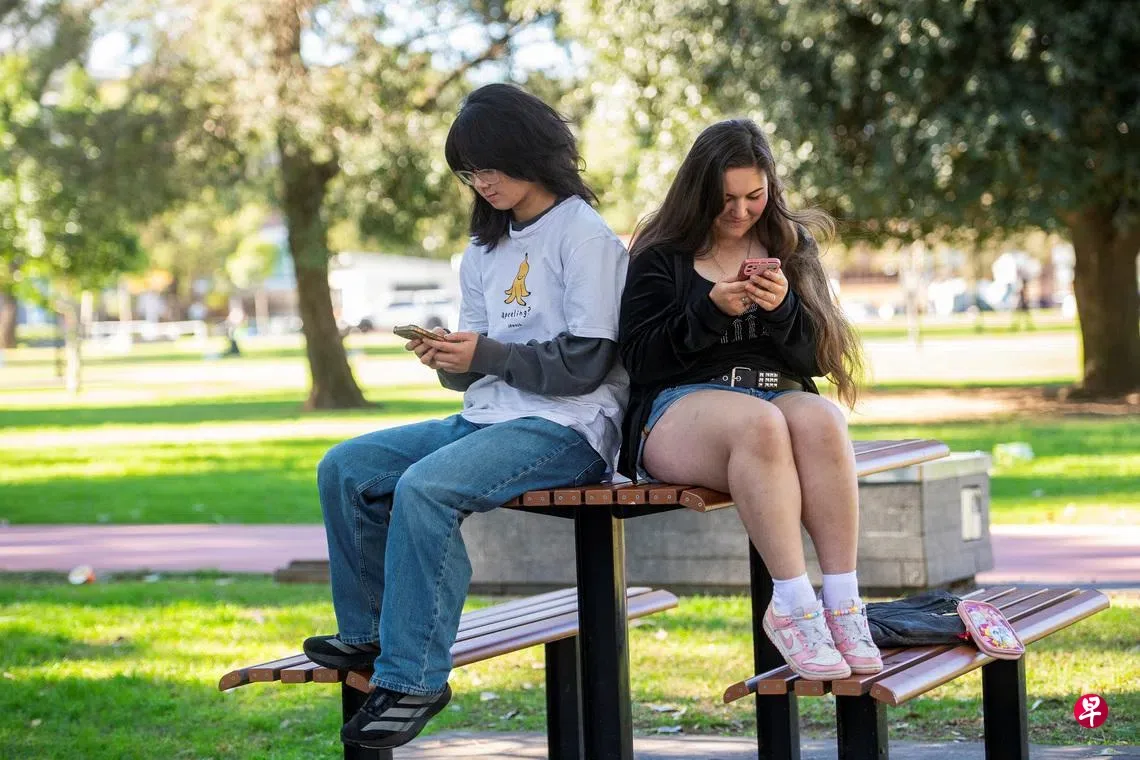
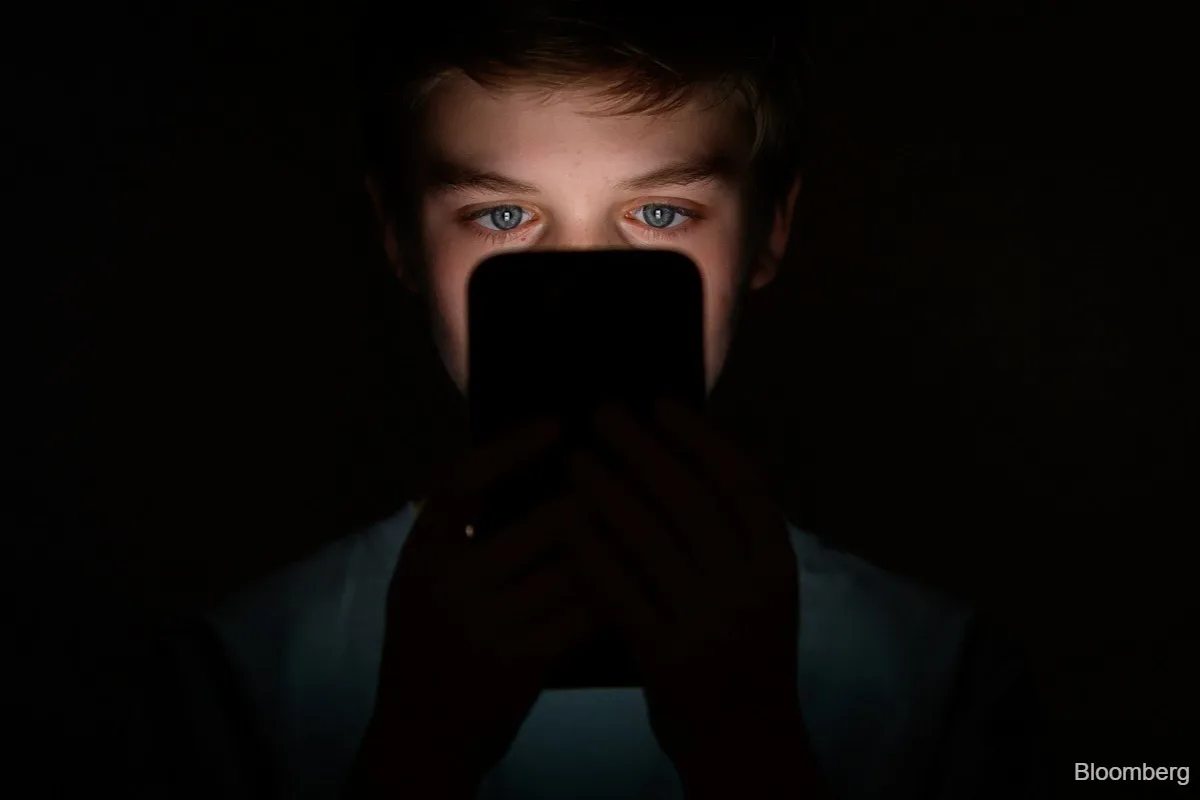
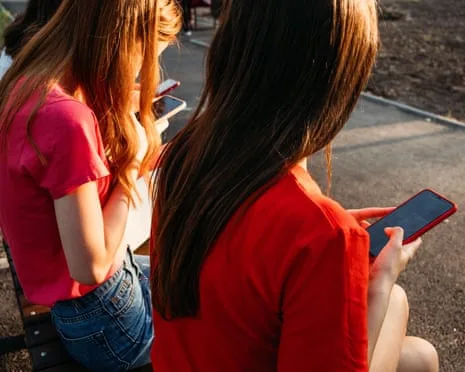
The UK government announced plans to implement a default social media curfew from midnight to 6 a.m. for 16- and 17-year-olds, blocking use of platforms like Instagram, Facebook, TikTok, YouTube, and Snapchat during those hours starting spring 2027 [1, 2, 3]. Although the curfew will automatically apply, users in this age group can override it if they choose [1, 4]. Additionally, features designed to encourage prolonged use, such as autoplay videos and infinite scrolling, will be disabled by default but may also be re-enabled by users [1, 2, 3].
This measure forms part of a wider UK effort, announced by outgoing Prime Minister Keir Starmer in June 2026, to protect children from online harms, including a complete ban on social media use for anyone under 16 starting early 2027 [1, 5, 6]. The first set of regulations addressing these restrictions is due to be submitted to Parliament by the end of 2026, with enforcement to begin the following spring [2, 3, 6].
Technology Minister Liz Kendall said the curfew and feature changes will help teenagers "get the sleep they need, focus on school and college, and spend more quality time with family and friends" [2]. She also stressed that "even as young people gain greater independence at 16, parents and children still want protections from the most addictive online features that can harm their wellbeing" [1]. The government argued that allowing a voluntary override avoids a sharp cutoff at age 16 and provides a "smooth slope" into adulthood [1, 4].
A recent UK study involving over 300 teenagers and parents found overnight curfews to be the most effective intervention among several tested restrictions for improving sleep, concentration, and wellbeing [2, 6, 7]. Furthermore, plans include requiring tech companies to implement more robust age verification methods, with severe sanctions for failures [3, 8]. The government is also set to regulate AI chatbots to mandate regular breaks for users under 18 [5, 9].
Critics have questioned the effectiveness of the voluntary curfew. Opposition Conservative education spokesperson Laura Trott criticized the policy as a "mess," saying curfews that teenagers can simply disable "won't achieve anything" [3, 8]. Meanwhile, UK Secretary for Online Safety Kanishka Narayan defended the policy, stating, "The evidence base is clear, the motivation is very clear, and I wouldn’t do the disservice to teenagers of saying they’re all going to switch it off" [8].
Australia led the way with a legal ban on social media for under-16s, enacted in December 2025, with countries including Canada, the UAE, and Indonesia introducing similar restrictions [5, 9, 10]. Indonesia began enforcing a social media ban for under-16 users in March 2026 [5].
The UK government plans to formally present the initial social media restrictions to Parliament by the end of the year, with implementation expected to start in spring 2027 [2, 3, 11].