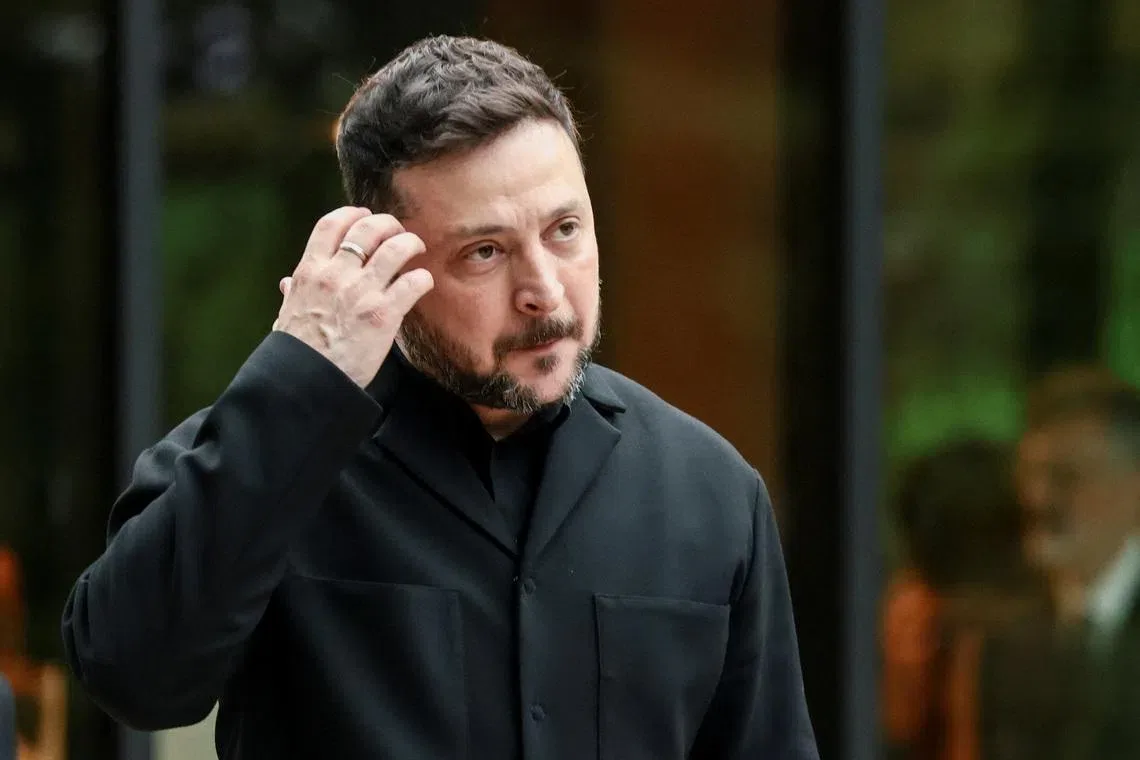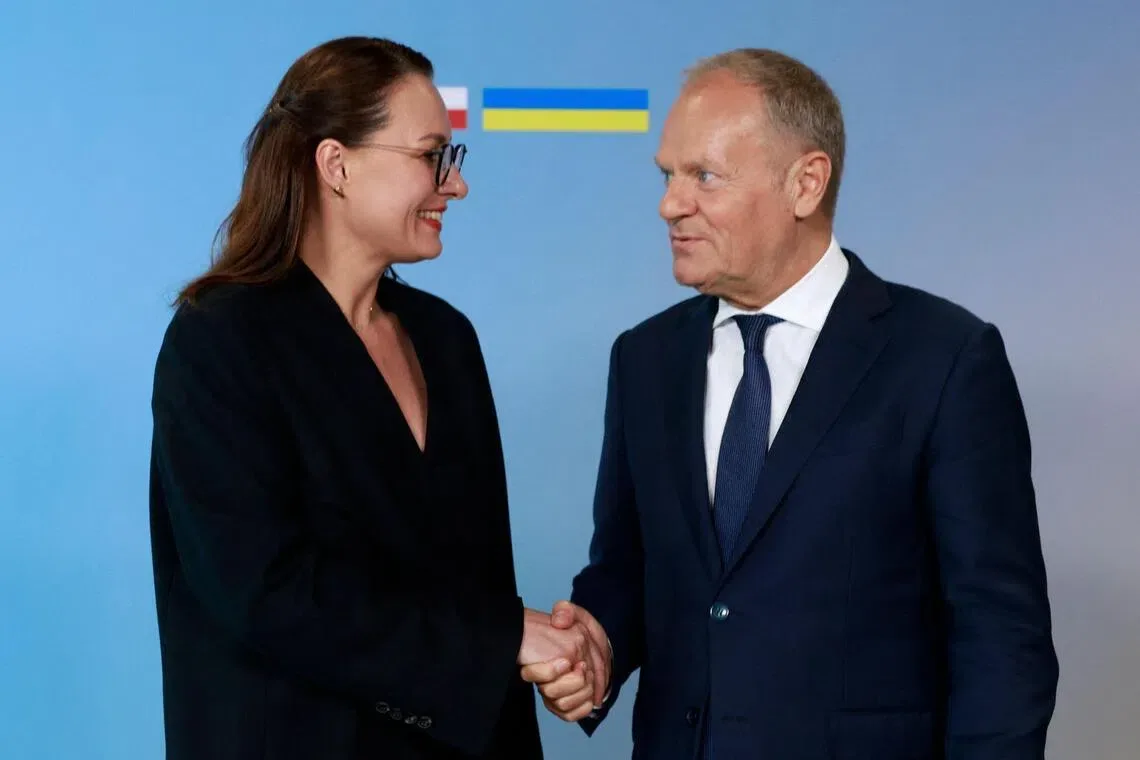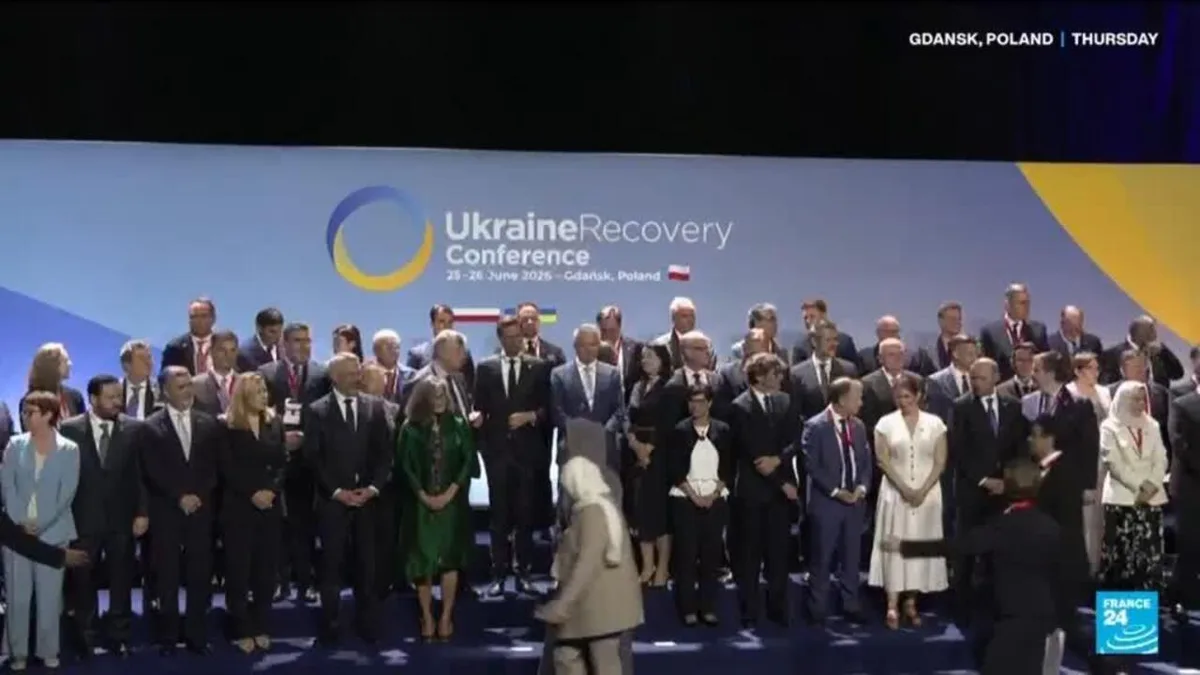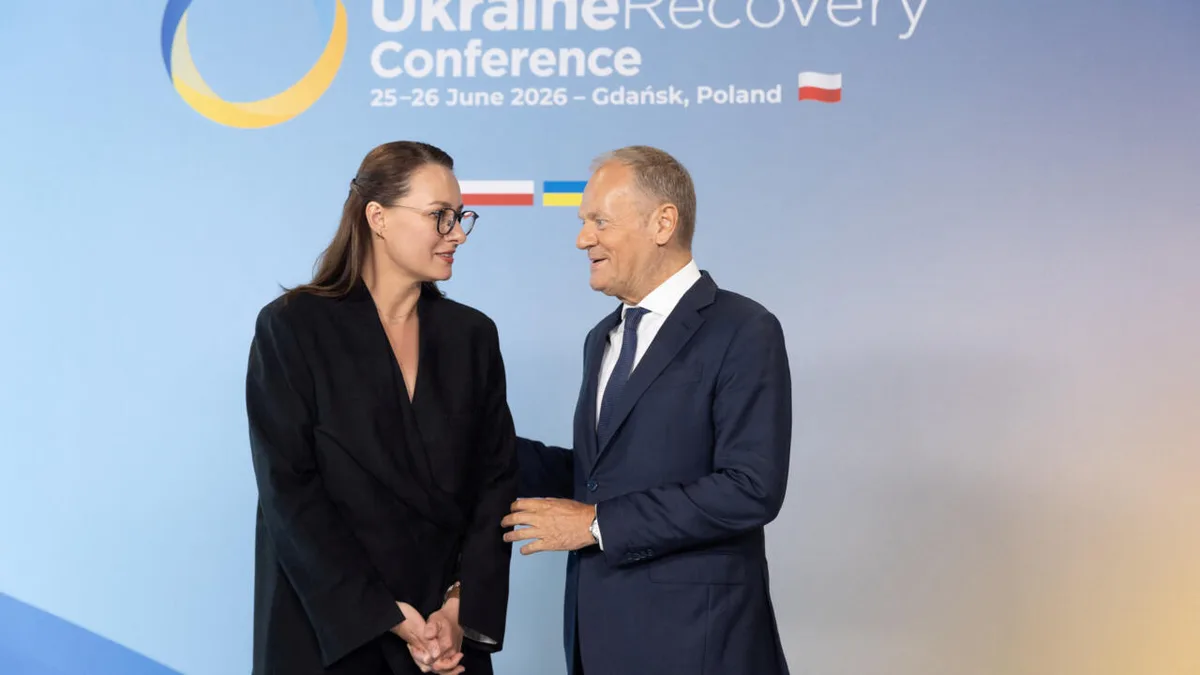
Ukraine's President Volodymyr Zelenskiy missed the Ukraine Recovery Conference that opened on June 25 in Gdansk, Poland, amid a diplomatic rift with Warsaw over historical matters [1, 2, 3, 4, 5]. The conference, focused on post-war reconstruction, is Ukraine's top annual international event for rebuilding and investment efforts [1, 2, 3, 4, 5].
Kyiv was represented by Prime Minister Yulia Svyrydenko, who said their delegation aimed "to secure concrete agreements that will strengthen Ukraine's defence capabilities and resilience while expanding economic cooperation with our partners" [1].
The dispute centers on Ukraine's naming of a military unit after the Ukrainian Insurgent Army (UPA), a nationalist force accused by Poland of massacring thousands of Polish civilians during World War II [1, 2, 3, 4, 5]. In response, Polish President Karol Nawrocki revoked Zelenskiy's Order of the White Eagle, Poland's highest state honor, days before the conference, escalating tensions [1, 5]. Several senior Ukrainian officials then relinquished their Polish awards [1].
Polish Prime Minister Donald Tusk, speaking in Gdansk, called for a "partnership based on truth, on mutual respect, on an understanding of history," while urging support for Ukraine's rebuilding. He added, "Believe that the words 'after the war' will come true one day" [1, 3, 4].
The conference took place under tight security amid fears of anti-Ukraine protests from Polish ultranationalists [2, 5]. Poland has taken in over one million Ukrainian refugees and remains a vital hub supplying Western military aid to Ukraine [3, 4].
Ukraine's reconstruction costs are estimated around US$588 billion, according to a joint report by Ukraine, the World Bank, the UN, and the EU from February 2026 [2, 5]. The European Union approved a €90 billion loan package in December 2025, earmarked mostly for defense spending [2, 5].
Kyiv's Foreign Ministry spokesman Georgiy Tykhy said, "We hope this dispute will not spoil the conference. We want to avoid any unnecessary politicisation of this international event, focusing on pragmatic cooperation and making concrete decisions benefiting Ukraine" [5].
Ukraine plans to sign multiple agreements during the two-day conference, including deals to enhance defense and energy infrastructure [1, 2, 5]. The opening day proceeded with Ukraine's government emphasizing immediate cooperation despite the diplomatic strain.
The conference will continue through June 26 in Gdansk, maintaining focus on securing international support for Ukraine's recovery efforts amid ongoing war challenges.