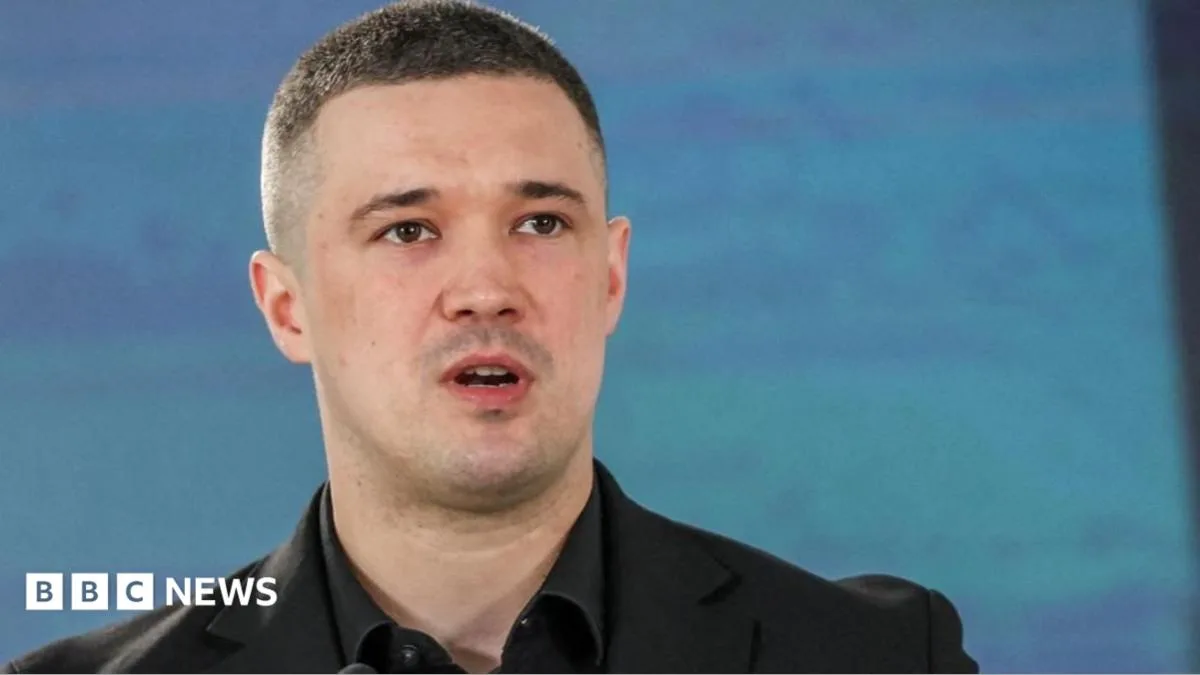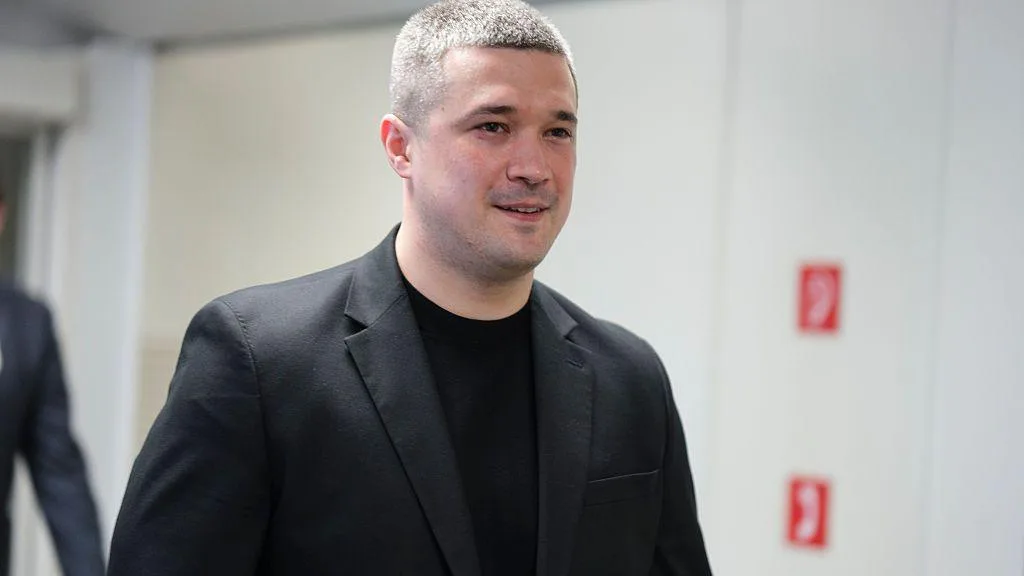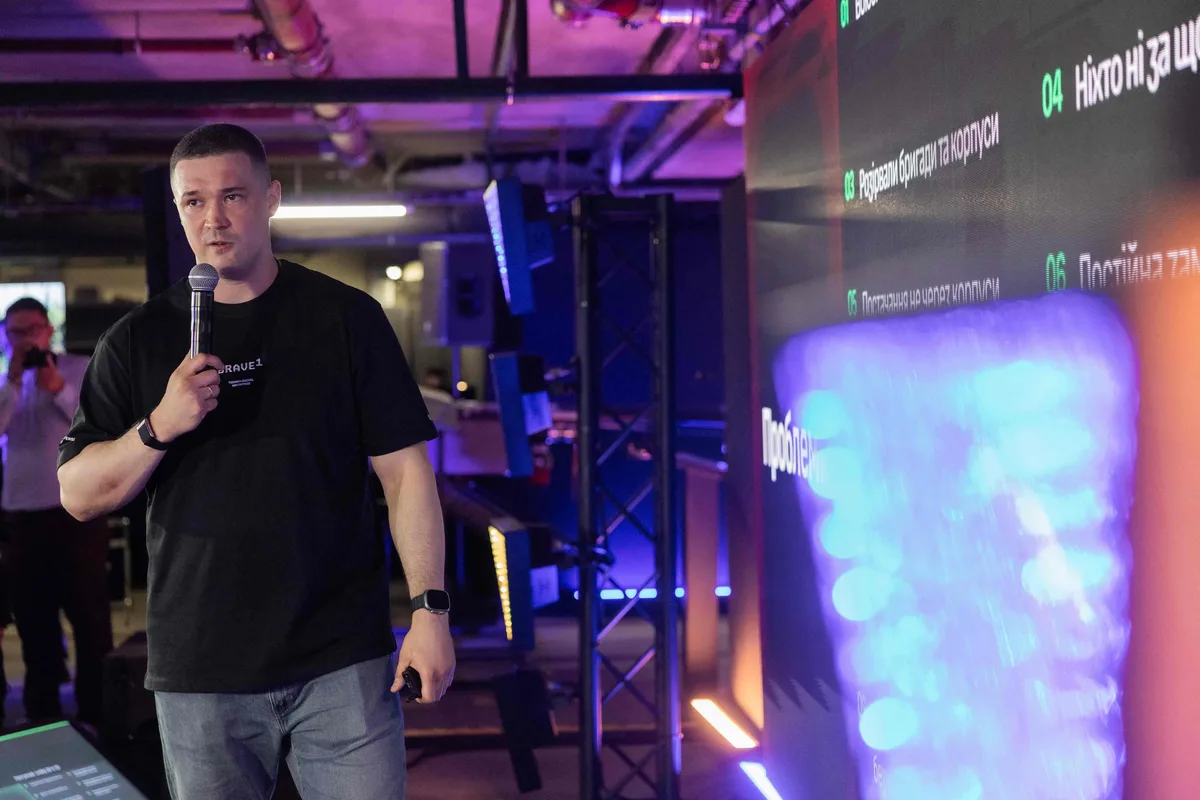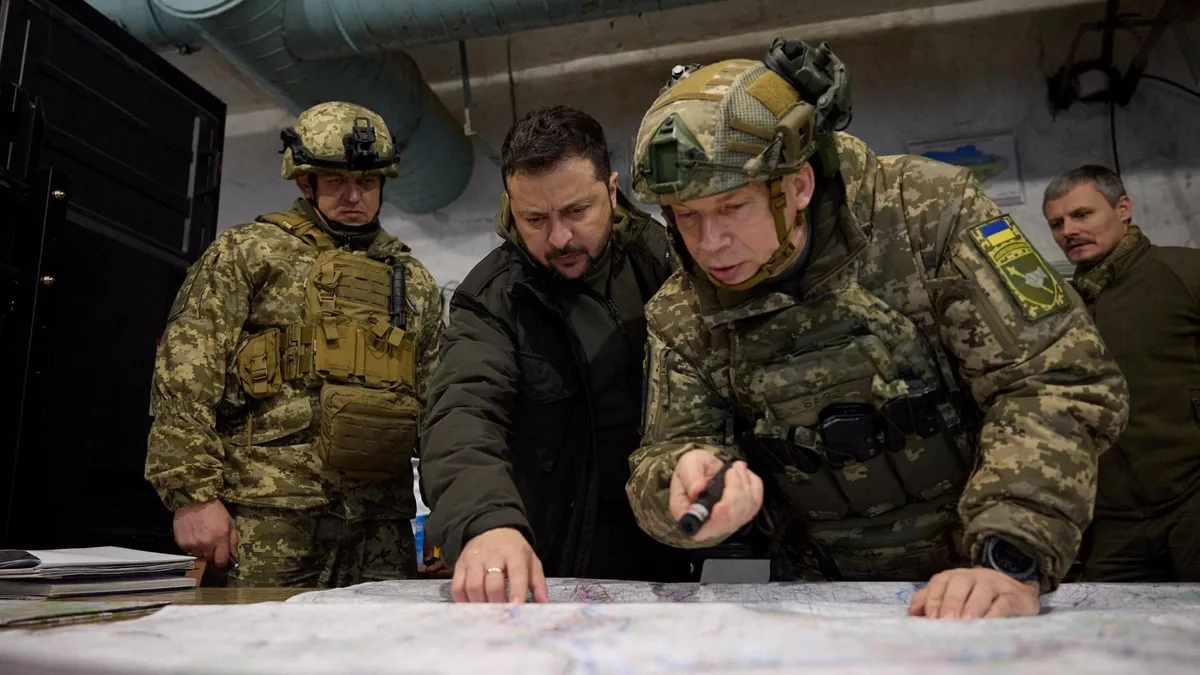
President Volodymyr Zelenskyy dismissed Ukraine’s defence minister, Mykhailo Fedorov, on July 15, 2026, as part of a sweeping cabinet reshuffle including the resignation of Prime Minister Yulia Svyrydenko [1, 2, 3, 4]. Fedorov, who was appointed in January 2026 at age 35, was the youngest ever defence minister and credited with modernizing the military through drone warfare, Starlink satellite internet access, and improved procurement saving billions [1, 5, 2, 3, 6, 7].
Fedorov announced his resignation on the same day, calling it a "great honour to serve the Ukrainian people" and noting achievements such as army reforms and increased drone use [2, 3]. However, tensions between Fedorov and Ukraine’s commander-in-chief Oleksandr Syrskyi, who reportedly opposed some reforms and delays in mobilization efforts, influenced Zelenskyy’s decision [1, 6, 8, 7]. Fedorov publicly accused Syrskyi of division and bureaucracy hindering the war effort, saying: "Instead of figuring out how to defeat Russia asymmetrically – which is the commander-in-chief’s task – he figured out how to split the country" [8]. Zelenskyy defended the dismissal, stating, "I would very much like to see unity. The sides have not found it. And the problem lies not only with the sides, but with me as well" [7, 9].
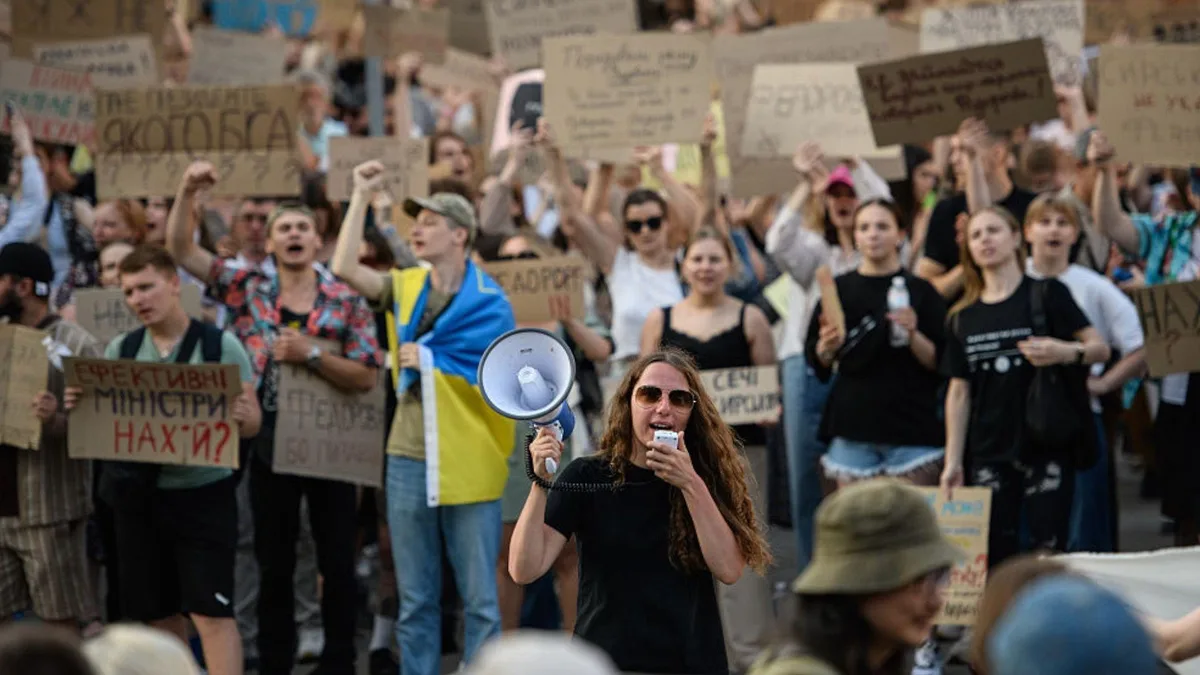
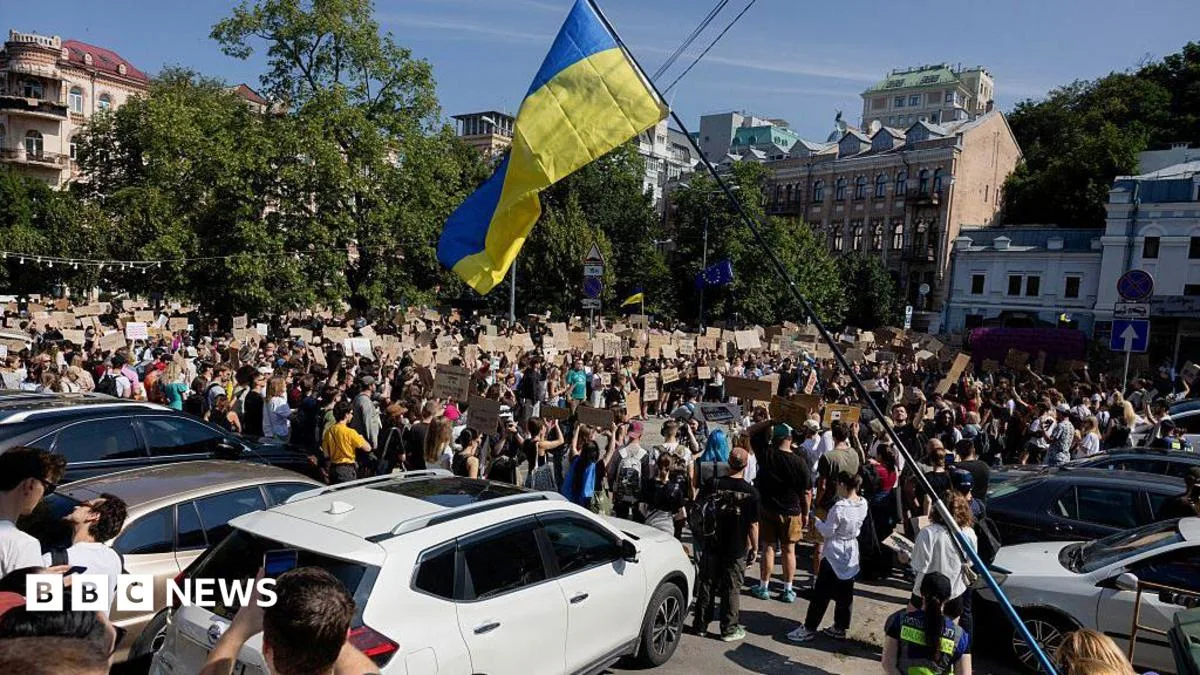
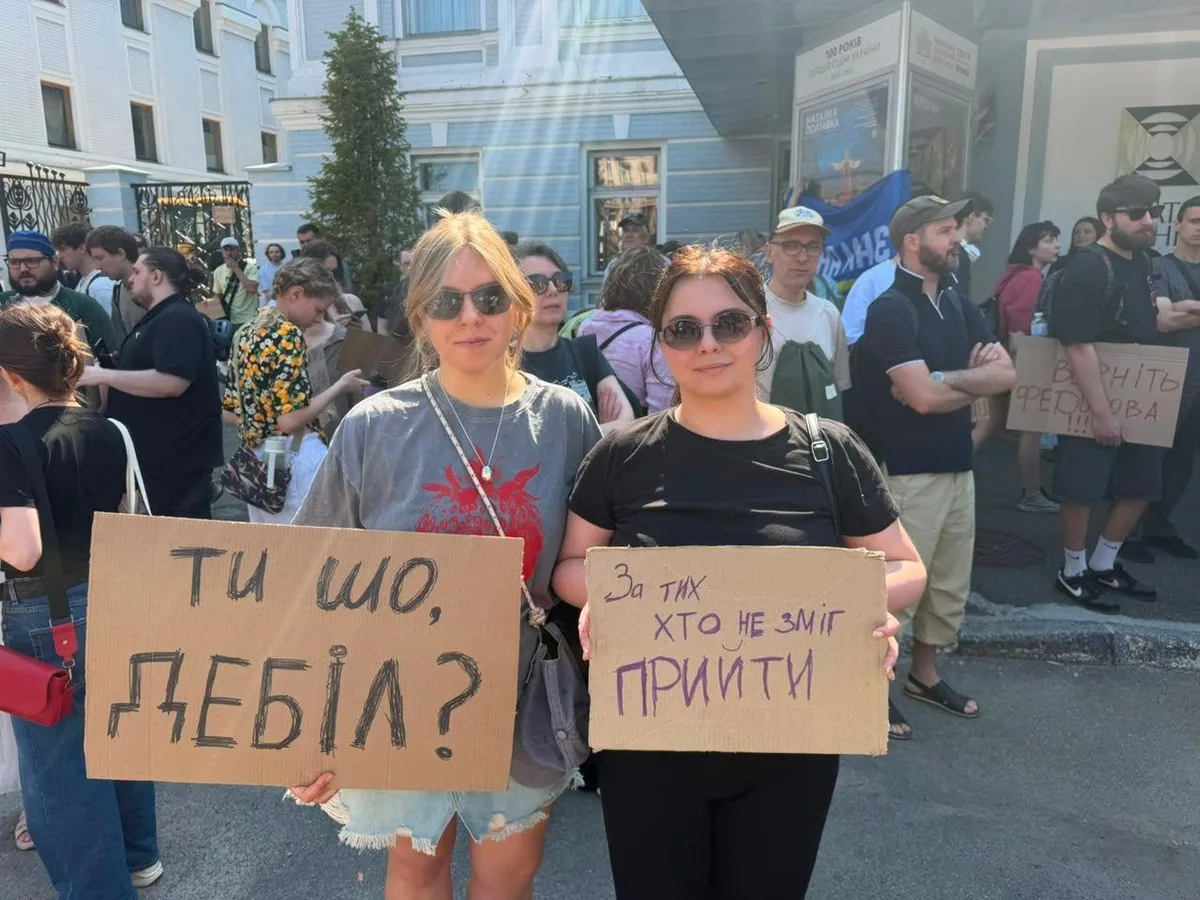
The dismissal triggered widespread protests in Kyiv and other cities starting July 15 and continuing through July 17, with demonstrators chanting "Shame!" and demanding Fedorov’s reinstatement [1, 4, 10, 6, 8, 9, 11]. Many Ukrainian soldiers and wounded veterans expressed outrage. Oleksandr, a Ukrainian soldier, called the decision "the worst mistake Zelensky has made during his entire presidency," adding, "I don't know anyone who supports the decision to replace him. Not within the army, not in society" [1]. Soldier Maryna called it "a blatant slap in the face to all service members" [12]. Deputy Air Force Commander Pavlo Yelizarov announced his resignation, calling the dismissal "a great evil for Ukraine's defence" [4].
On July 16, parliament was scheduled to vote on the new government lineup, including appointing Interior Minister Ihor Klymenko as the new defence minister [1, 5, 4, 6]. The political crisis represents one of the rare public dissent events in wartime Ukraine since Russia’s invasion in 2022 [4, 9, 11]. On July 17, Zelenskyy appointed Yevhenii Khmara as acting defence minister and named Klymenko head of the National Security and Defence Council [9, 11].