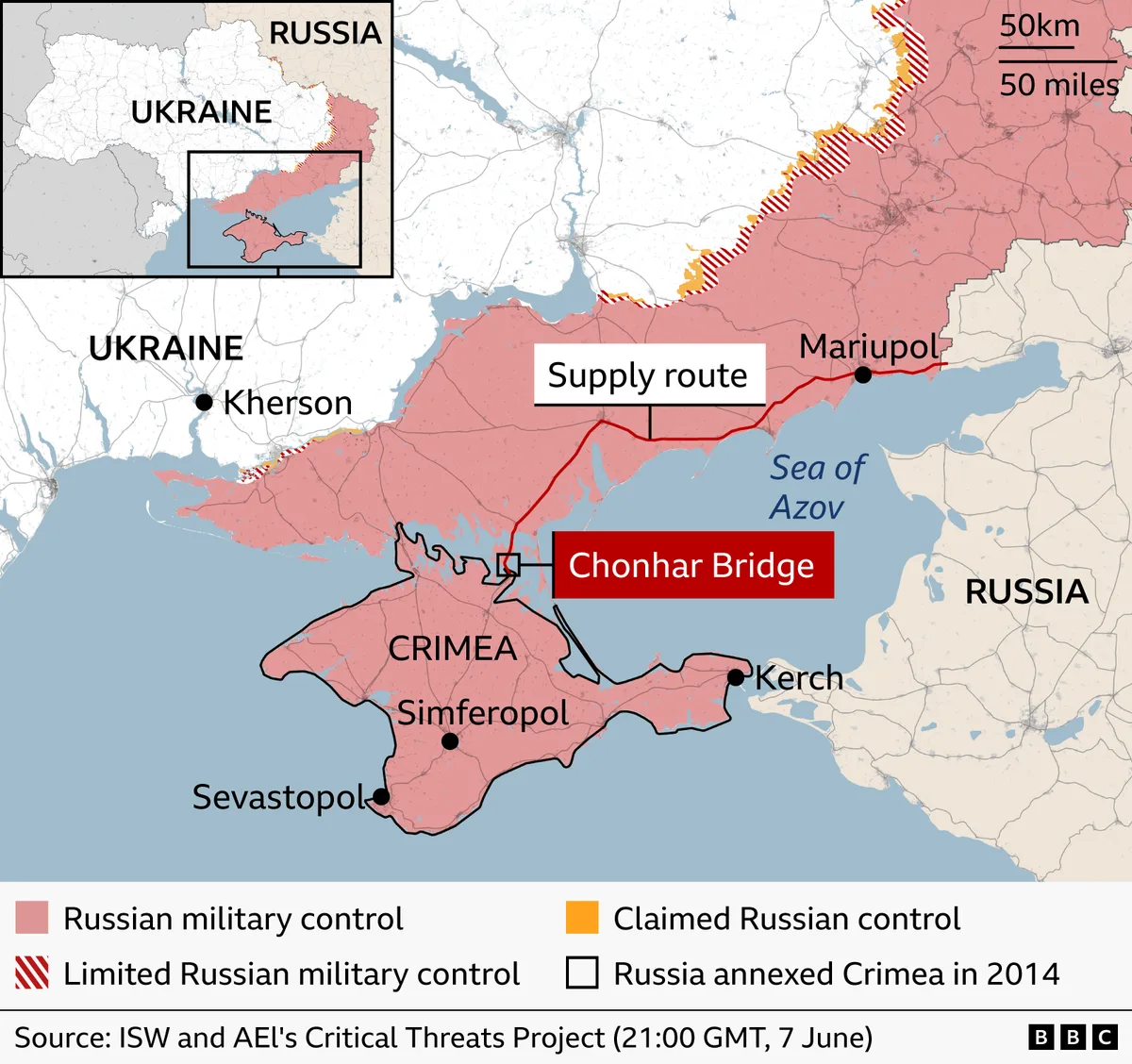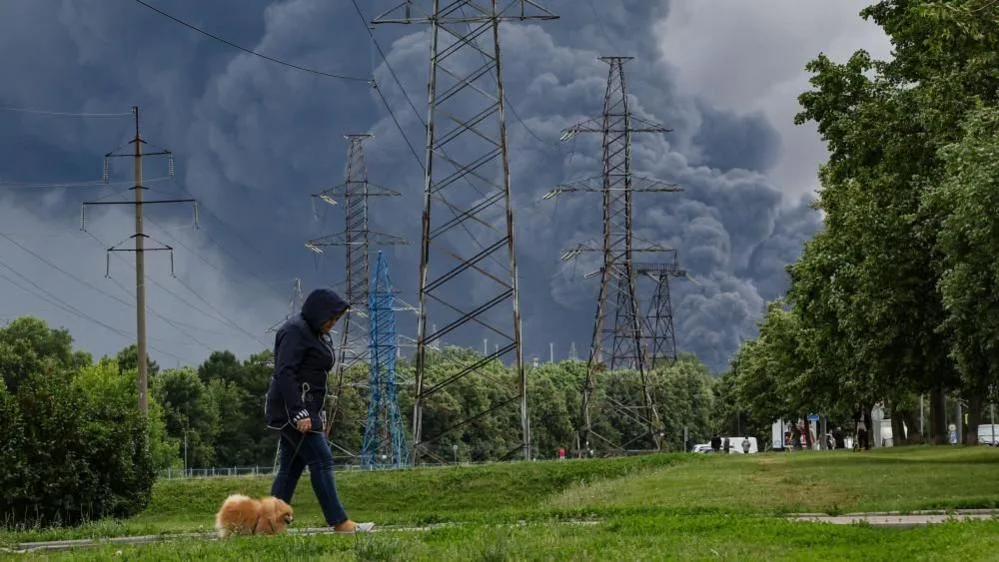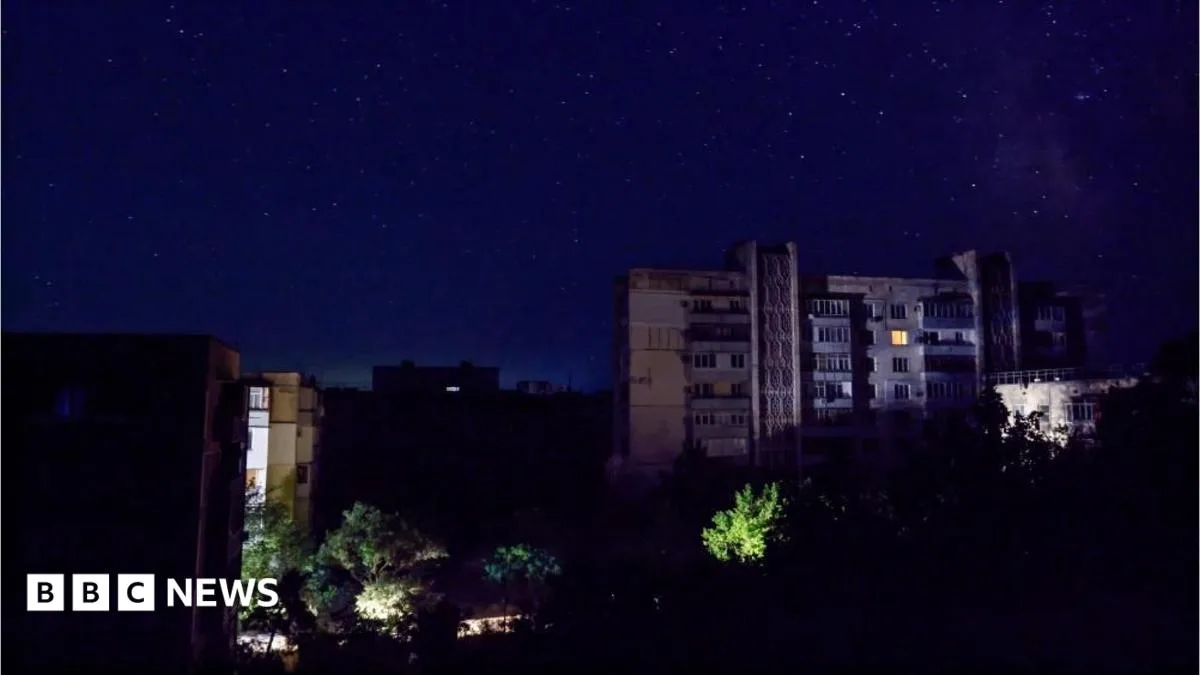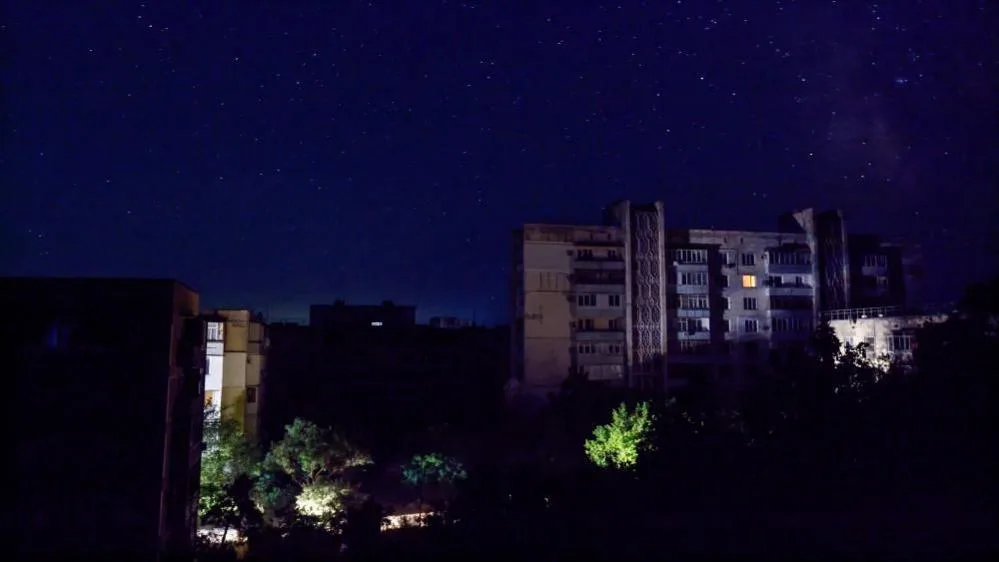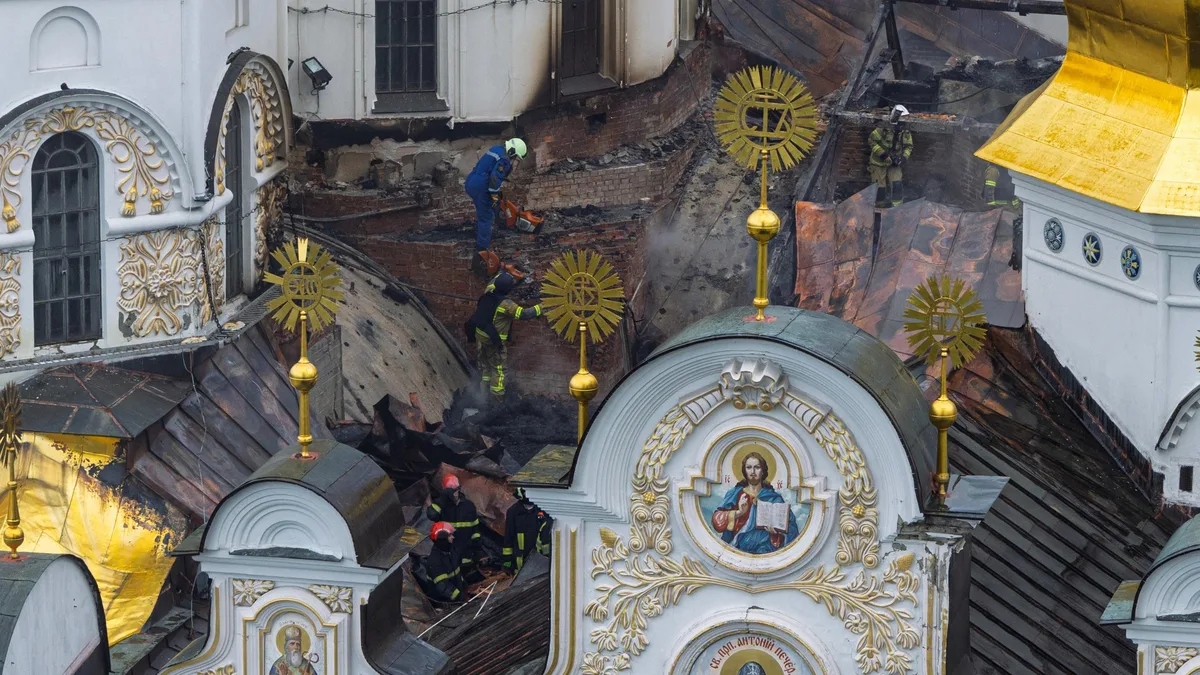
Ukrainian drones struck the main power substation in Sevastopol overnight on June 23-24, triggering widespread power outages across the city [1, 2, 3]. The Moscow-installed governor, Mikhail Razvozhayev, said some areas would remain without electricity until at least the evening of June 24 and warned residents to conserve power, limit phone use, check on elderly neighbors, and keep children at home [1, 3]."The enemy is again striking vilely, trying to deprive us of our usual living conditions and sow panic," Razvozhayev said, adding, "We will not be intimidated by the lack of light. We have gone through more than that, and we will survive now" [1].
Public transport was affected, with trolleybuses in Sevastopol not operating during the power outages [4, 3]. Temperatures in the city hovered around 30 degrees Celsius during the blackout [1, 3].
Russian defense forces claimed to have shot down nine Ukrainian drones over Sevastopol amid the attacks, describing it as part of broader efforts to defend the region [2, 3]. Ukrainian forces have intensified strikes on energy infrastructure in Russian-occupied Crimea and southern Russia, hitting fuel depots, oil refineries, and supply routes to disrupt logistics [1, 4, 3].
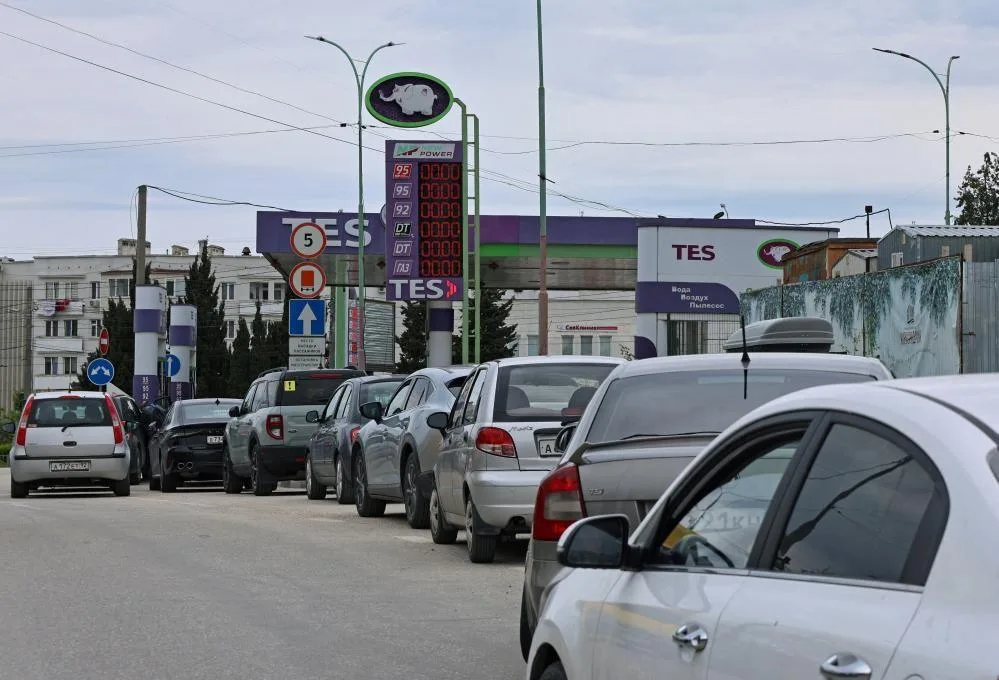
Fuel shortages and a suspension of public petrol sales have been reported in Crimea following the raids, according to Moscow-installed officials [1, 5, 3]. More explosions and attacks were also reported at other Crimean locations including Bakhchisarai, Kerch, and near Mount Ai-Petri, where Russian troops are based [1].
Power disruptions extended beyond Crimea into Russian-held parts of Ukraine’s Kherson region bordering the peninsula, with outages reported there on June 25, according to the Moscow-installed governor Vladimir Saldo [5, 3]. On the same day, one person was killed in a drone attack near the crossing into the Kherson region, Governor Sergei Aksyonov said [5].
Authorities continue to assess damage and prioritize repairs while urging residents to stay vigilant amid ongoing drone attacks.