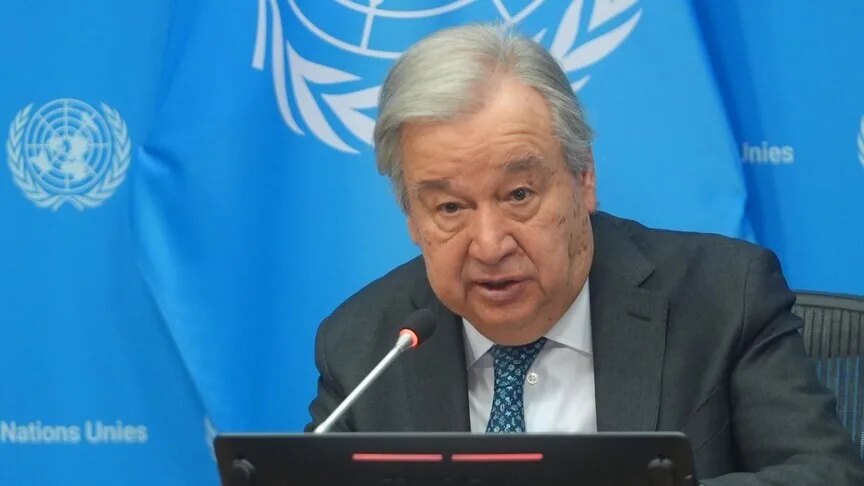
UN Secretary-General António Guterres visited Haiti on June 16 and 17 to address the escalating gang violence that has triggered a severe humanitarian crisis across the country [1, 2]. More than 2,300 people have been killed and about 100 kidnapped by gangs so far this year, with approximately 1.5 million people displaced, including over 300,000 within the capital, Port-au-Prince alone [1]. Among the kidnapped is James Boyard, the cabinet director of Haiti’s Defense Ministry, taken last week in a normally secure area of the capital [1].
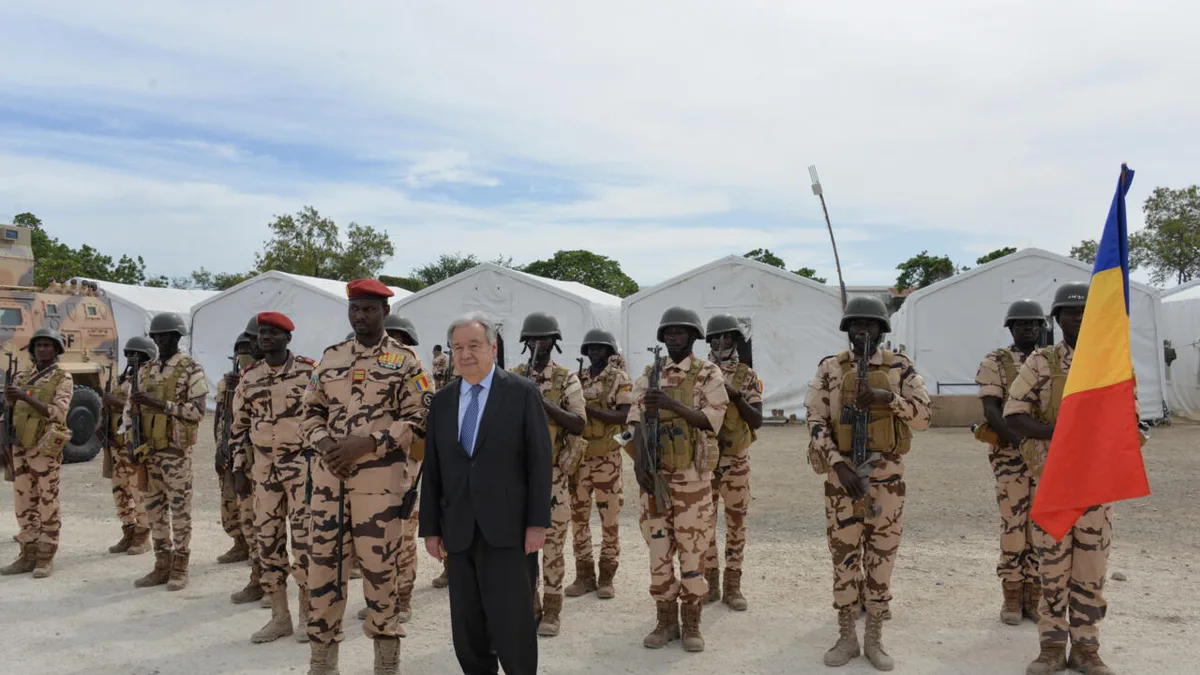
Guterres began his visit in Port-au-Prince where he was greeted at the airport by Haitian Prime Minister Alix Didier Fils-Aime before touring the headquarters of the new multinational gang suppression force [2]. This force was approved by the UN Security Council in September 2025 to replace a prior underfunded Kenyan police mission [1]. During his visit to the facility, Guterres received operational briefings on the efforts to counter the gang violence [2].
On June 17, Guterres toured neighborhoods heavily affected by the gang conflict and met with displaced Haitians to assess the scale of the humanitarian emergency [1]. Gregoire Goodstein, IOM chief of mission in Haiti, said, "Haiti’s displacement crisis is entering an even more alarming phase" [1].
The extensive violence has left the country in turmoil, with gang activity causing widespread instability. Approximately 1.5 million people have fled their homes, straining resources and humanitarian response efforts [1]. The kidnapping of a high-level government official underscores the dangerous environment.
Following his Haiti visit, Guterres planned to travel to Santo Domingo for additional meetings before returning to New York [2]. The new gang suppression force remains a key component of UN efforts to restore security and aid displaced populations in Haiti [1].