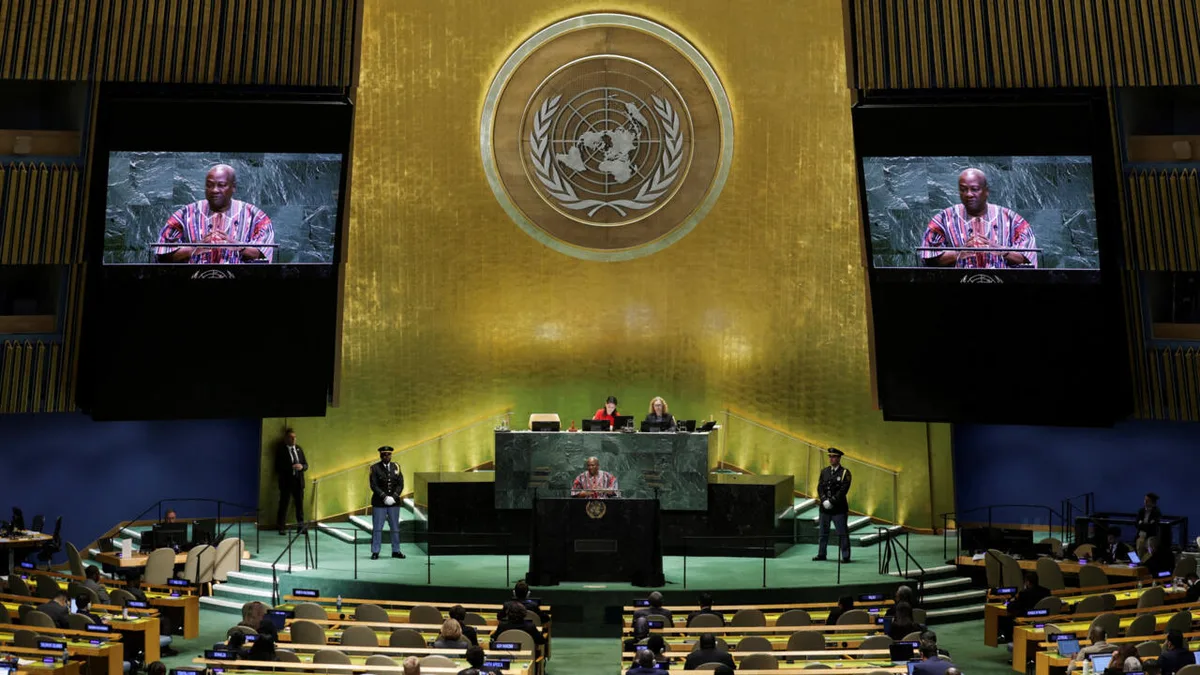
The UN General Assembly voted 141 in favor, 8 against, and 28 abstentions on May 20, 2026, to adopt a resolution endorsing the International Court of Justice's advisory opinion on climate change obligations [1, 2]. The resolution reinforces states' duties to combat climate change and welcomes the ICJ opinion as "an authoritative contribution to the clarification of existing international law," urging compliance with climate protection commitments [1].
The ICJ issued its advisory opinion in July 2025, ruling that failure to meet climate commitments is unlawful and could lead to reparations [1, 2]. The opinion marked a legal precedent by recognizing the binding nature of climate obligations under international law.
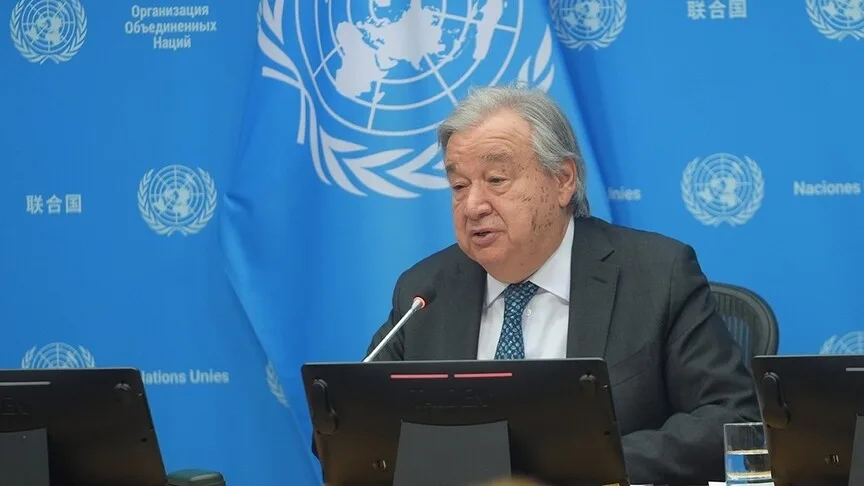
UN Secretary-General Antonio Guterres called the adoption a "powerful affirmation of international law, climate justice, science, and the responsibility of states to protect people from the escalating climate crisis," emphasizing that "those least responsible for climate change are paying the highest price. That injustice must end" [2]. He praised Pacific Island nations, Small Island Developing States, and young climate activists for championing the resolution [1, 2].
Odo Tevi, Vanuatu's ambassador to the UN, said the resolution reflects the voices of populations suffering the most despite contributing least to the crisis. "We are aware that some would prefer this assembly to say less or nothing at all...the harm is real, and it is already here," Tevi said [1].
While the resolution passed decisively, major greenhouse gas emitters including the US, Russia, and Iran opposed it [1, 2]. Under pressure from these countries, the resolution’s text was weakened, prioritizing national security and industrial interests over climate goals in parts [1].
Guterres reiterated the urgency of rapidly transitioning away from fossil fuels, calling them "the principal driver of the climate crisis" and highlighting renewables as "the cheapest and the most secure form of energy supply" [2]. He said the task ahead is to keep the 1.5-degree Celsius target within reach to build a safer and fairer future [2].
Earlier in January 2026, Vanuatu introduced the draft resolution to implement the ICJ advisory opinion before the General Assembly voted in May [1]. The resolution now calls on all states to comply fully with their climate protection obligations in line with international law.