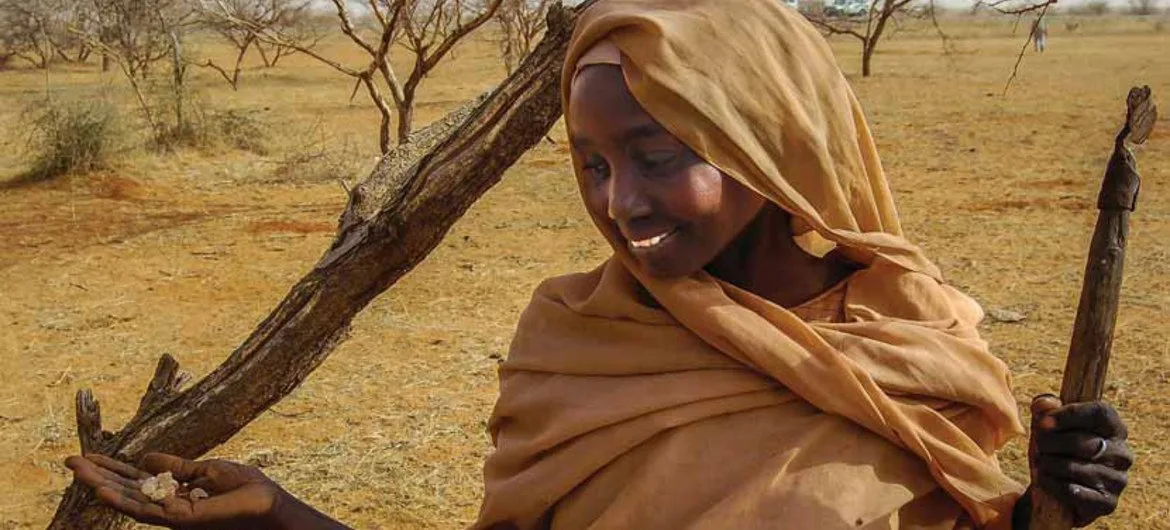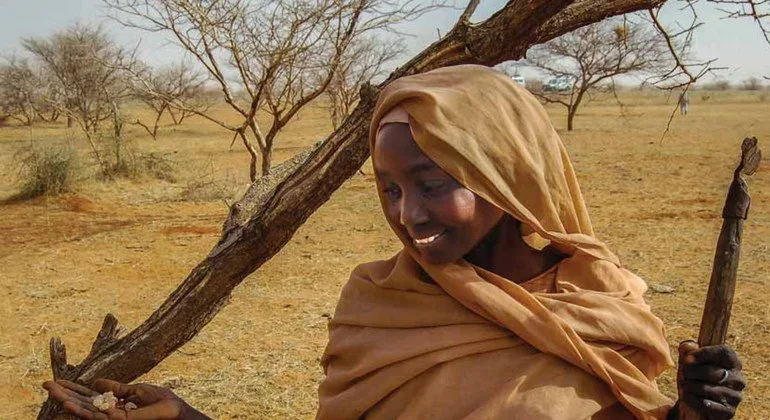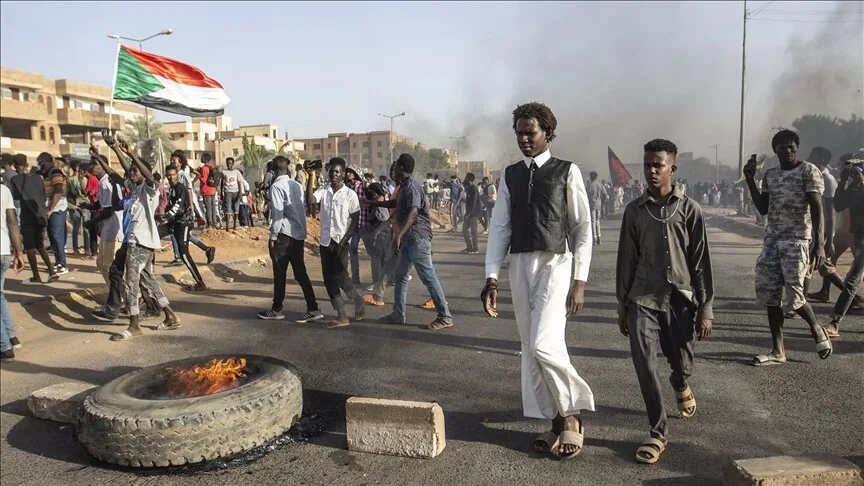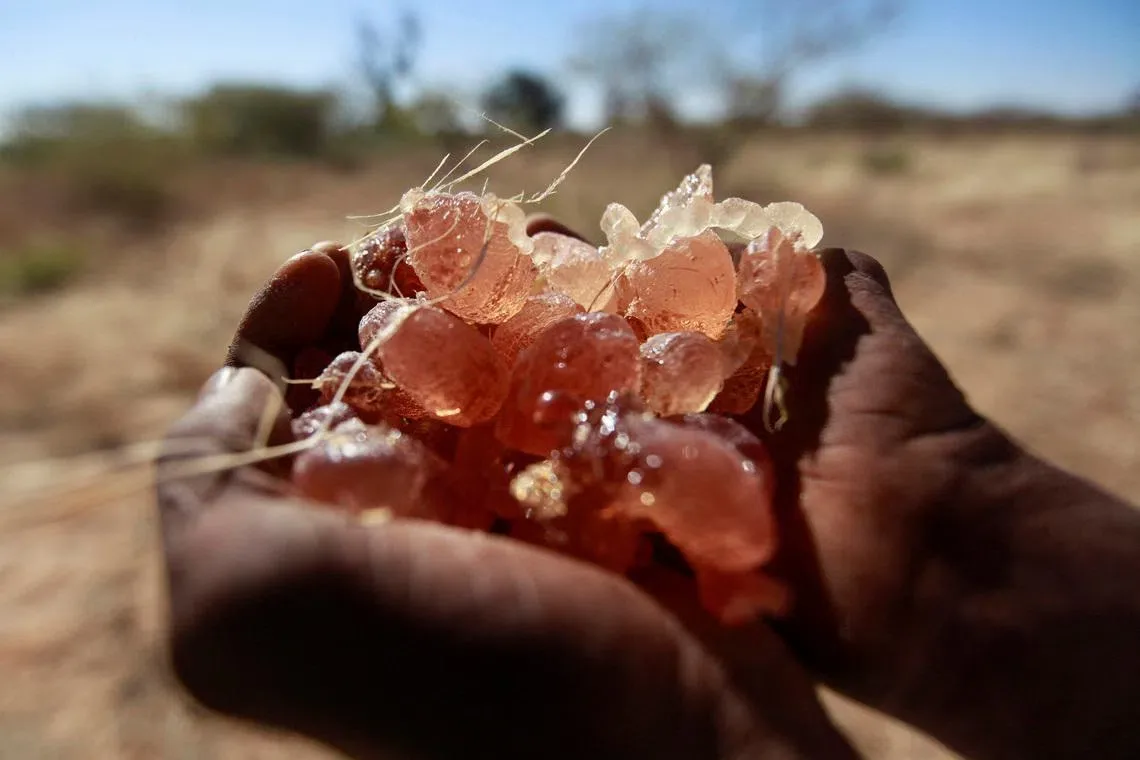
Sudan produces 70-80% of the world's crude gum arabic exports, a key ingredient in soft drinks, pharmaceuticals, and cosmetics, the UN reported on July 15, 2026 [1, 2]. The trade is fueling the civil war that began in 2023 between the Sudanese Armed Forces and the Rapid Support Forces (RSF), with profits helping to finance military operations [1, 2]. Gum arabic is harvested from territories controlled by both sides, but RSF-controlled exports are often smuggled through neighboring countries and relabeled, complicating efforts to trace their origin [1, 3, 2].
The conflict, now in its fourth year, has intensified risks to those involved in the gum arabic trade, who face arbitrary detention, looting, extortion, and attacks by armed groups [1, 3, 2]. In May 2025, the RSF reportedly looted the Gum Arabic Exchange and warehouses in El-Nuhud, West Kordofan, disrupting local markets and livelihoods [1, 3].
UN human rights chief Volker Turk urged companies sourcing gum arabic from Sudan to conduct strong, conflict-sensitive due diligence to avoid contributing to abuses. Turk said, “Companies cannot continue business as usual when sourcing from conflict-affected value chains” [1]. He added that “this war economy must be disrupted, and the international community must pay much closer attention to the commodities and trade routes that help keep it alive” [2]. The UN framework calls for greater oversight, accountability, and grievance mechanisms to address risks in Sudan’s gum arabic supply chain [3].
The Sudan conflict’s impact on the gum arabic trade highlights the challenge of balancing global industrial demand with respect for human rights amid ongoing war. The UN report calls on governments and companies to ensure that trade and export activities do not exacerbate the conflict or human rights violations [3].