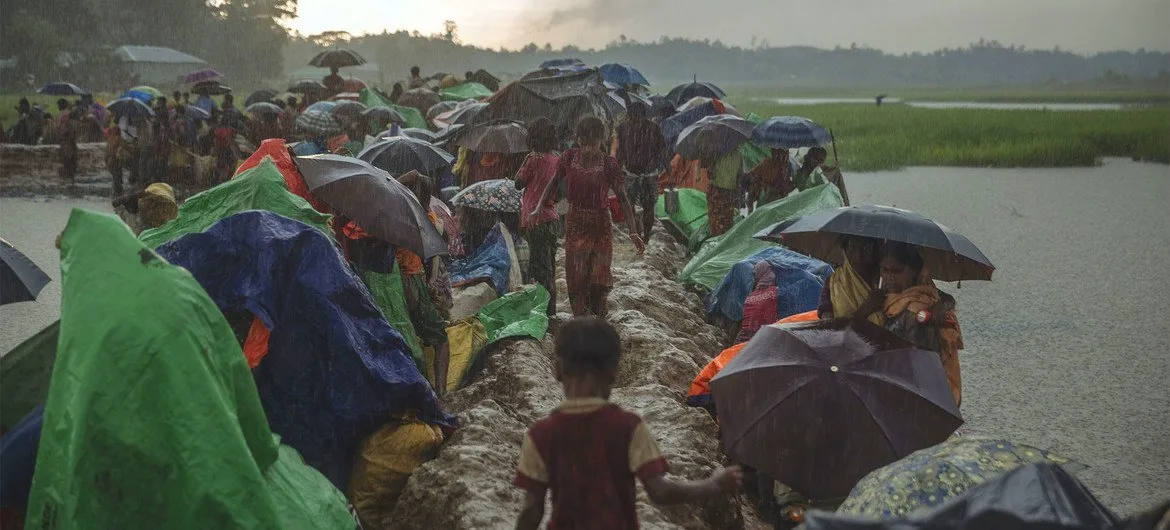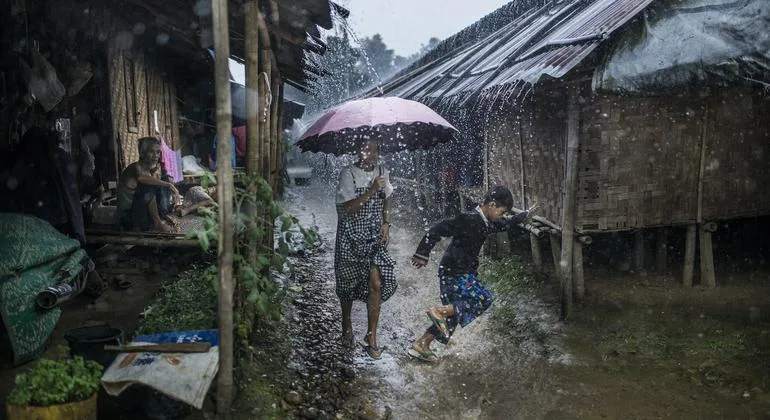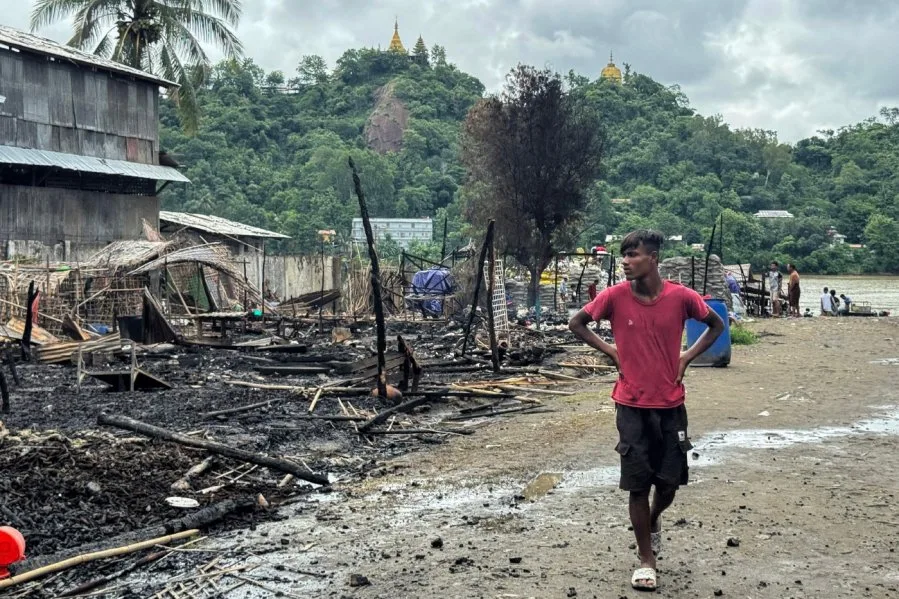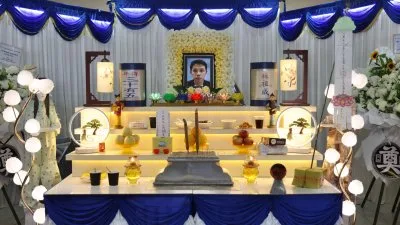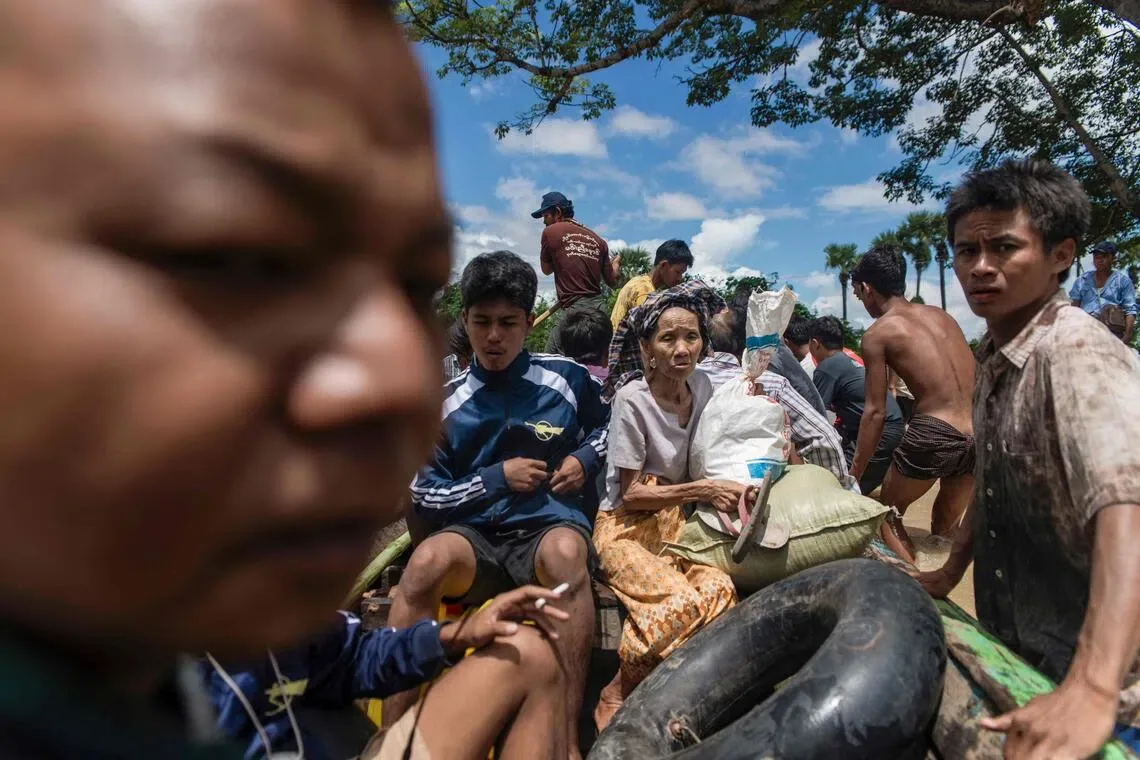
The Myanmar military has escalated deliberate aerial attacks on civilian targets, including homes, schools, medical facilities, religious buildings, and camps for internally displaced persons, causing deaths, injuries, and destruction, according to a UN investigative report covering July 2025 to June 2026 [1, 2, 3, 4]. These attacks intensified during the lead-up to Myanmar’s deeply restricted elections completed in January 2026 and have continued unabated since then [1, 2, 3, 4].
The military increasingly uses paramotors and drones for aerial attacks, making them harder for civilians to detect and limiting their ability to flee or seek shelter [1, 2, 3, 4]. The conflict is especially severe in Rakhine State, where the military is fighting the Arakan Army ethnic minority rebel group [1].
The UN Myanmar Independent Investigative Mechanism, which collected evidence from over 1,600 sources including more than 750 witness accounts, photographs, videos, forensic data, and geospatial imagery, documented numerous war crimes and crimes against humanity. These include arbitrary detention, torture, and sexual violence committed by the military and various armed groups [1, 2, 3, 4]. Many detainees face harsh conditions including torture and sexual violence in military-run facilities [1, 2, 3, 4].
A 2025 law criminalizes criticism of the elections, punishing activities such as posting critical social media comments with up to 20 years imprisonment or the death penalty. This law has been used to arrest many individuals [1, 2, 3].
Nicholas Koumjian, head of the UN Myanmar Independent Investigative Mechanism, said, "Behind every piece of evidence we collect are people whose lives have been devastated by these crimes" [1]. He added, "Communities across Myanmar are not only living under the constant threat of violence but are also coping with the profound and lasting impact of what they have endured. This underscores the urgent need to hold those responsible to account." [4]
Since the military coup on February 1, 2021, which ousted the elected government led by Aung San Suu Kyi, Myanmar has been plunged into violent conflict and a humanitarian crisis, with ongoing armed resistance controlling many areas [1, 2, 3]. The UN investigative mechanism does not itself prosecute cases but shares evidence with international courts, including the International Criminal Court, courts in Argentina, and the International Court of Justice [2, 3].
The investigative report covers the period from July 2025 to June 2026, documenting ongoing attacks and abuses during that time frame [1, 2, 3, 4].