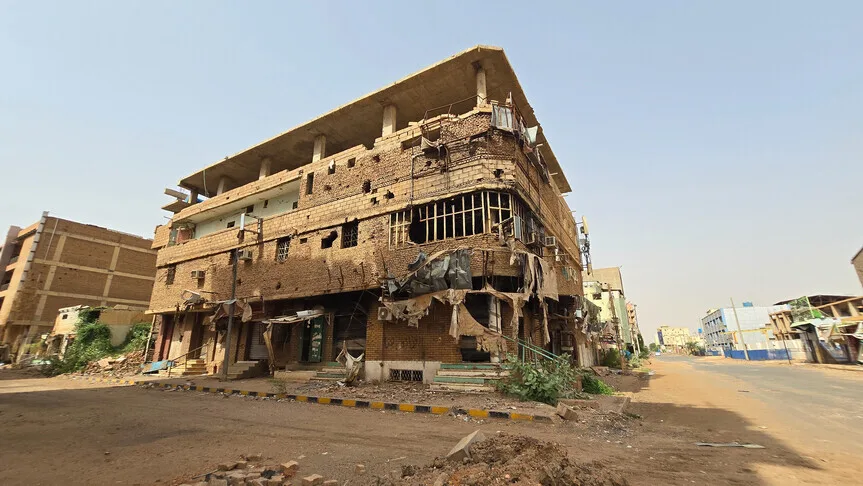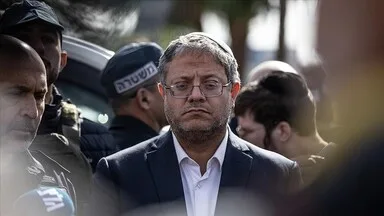
Sudan’s war between the Sudanese Armed Forces (SAF) and Rapid Support Forces (RSF) has been sustained by foreign weapons, fighters, and logistics since it erupted in April 2023, the United Nations said in a report released today[2026-09-03]. [1, 2, 3]
The conflict has killed tens of thousands and displaced over 14 million people. The UN described transnational networks involving entities and individuals in the United Arab Emirates, Chad, Libya, Somalia, and Colombia as providing arms, military training, logistical support, and personnel to the RSF [1, 2, 3]. Up to 2,000 Colombian contractors have operated combat drones, artillery, and advanced weapons alongside RSF forces in Darfur and Kordofan. [1, 2, 3]
The UAE denied providing military, logistical, financial, or political support to the RSF, while Chad stated it remains neutral and denied knowledge of weapons transfers through its territory. [1] Despite these denials, the UN report implicates these states within wider transnational supply networks facilitating the war. [1]
Both the SAF and RSF have used foreign-supplied drones and loitering munitions that struck civilian areas. Drone attacks have killed over 100 people in targeted incidents, including 114 killed in an RSF strike in Kalogi and at least 70 killed in an SAF strike in Ad-Da’ein. [2] Repeated RSF attacks using drones on el-Obeid between July and August 2026 may constitute war crimes, the report adds. [2]
The mission highlighted mass killings of non-Arab communities during the RSF capture of al-Fashir, noting these bear hallmarks pointing to genocide. Mona Rishmawi, a member of the UN mission, said, "This support fed into RSF operations in Zamzam camp and later during the takeover of el-Fasher, where the [UN] Mission documented grave human rights and international humanitarian law violations and international crimes, including conduct displaying hallmarks of genocide." [2]
Mohamed Chande Othman, chair of the UN mission, said, "The consequences of this external support are being felt most acutely by civilians." [2, 3]
Since the war began amid a power struggle just before a planned civilian transition, foreign involvement has escalated the conflict, enabling deeper strikes into civilian areas and contributing to the ongoing humanitarian crisis. [1, 2]
The report was issued today by the UN Independent International Fact-Finding Mission on Sudan. It follows multiple documented drone strikes and attacks linked to foreign support networks fueling both sides of the conflict. The next major deadline for the mission is an upcoming review of international responses to the evidence of potential war crimes and violations.
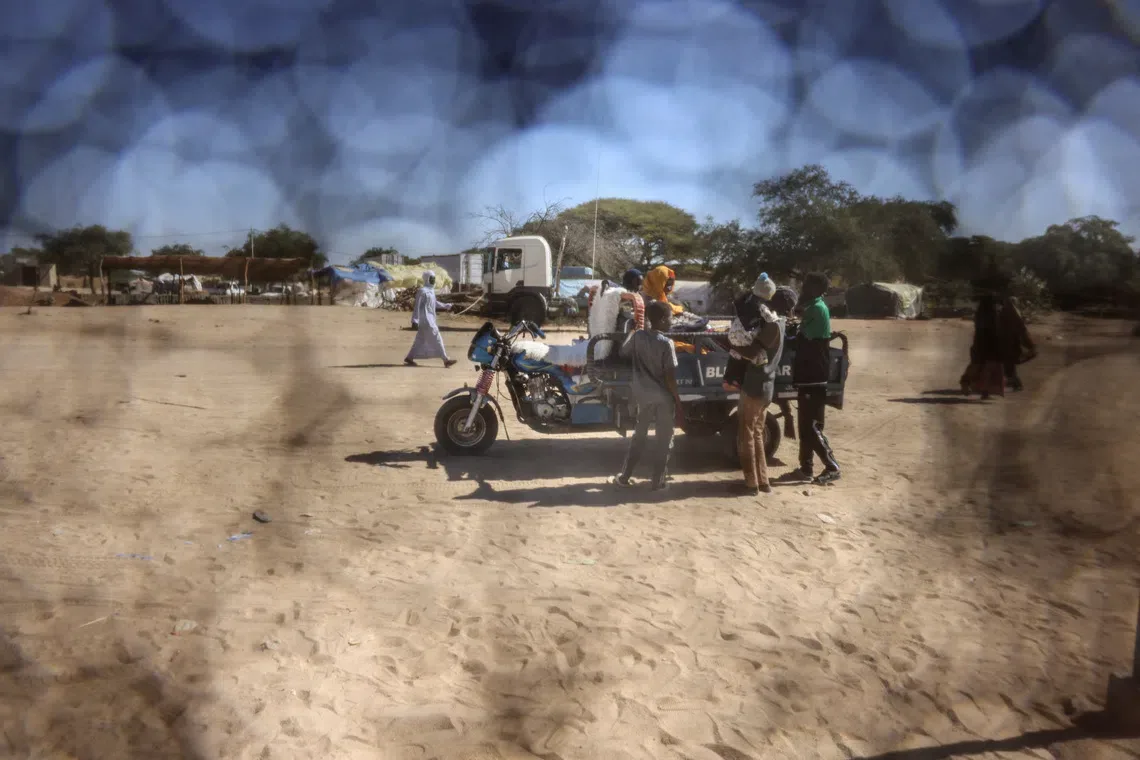
![Sudanese refugees ride through the Oure Cassoni refugee camp, Chad, on February 24, 2026 [Dan Kitwood/Getty Images]](/uploads/2026/09/03/8ae2d2a046bcfb1b84167657.webp)
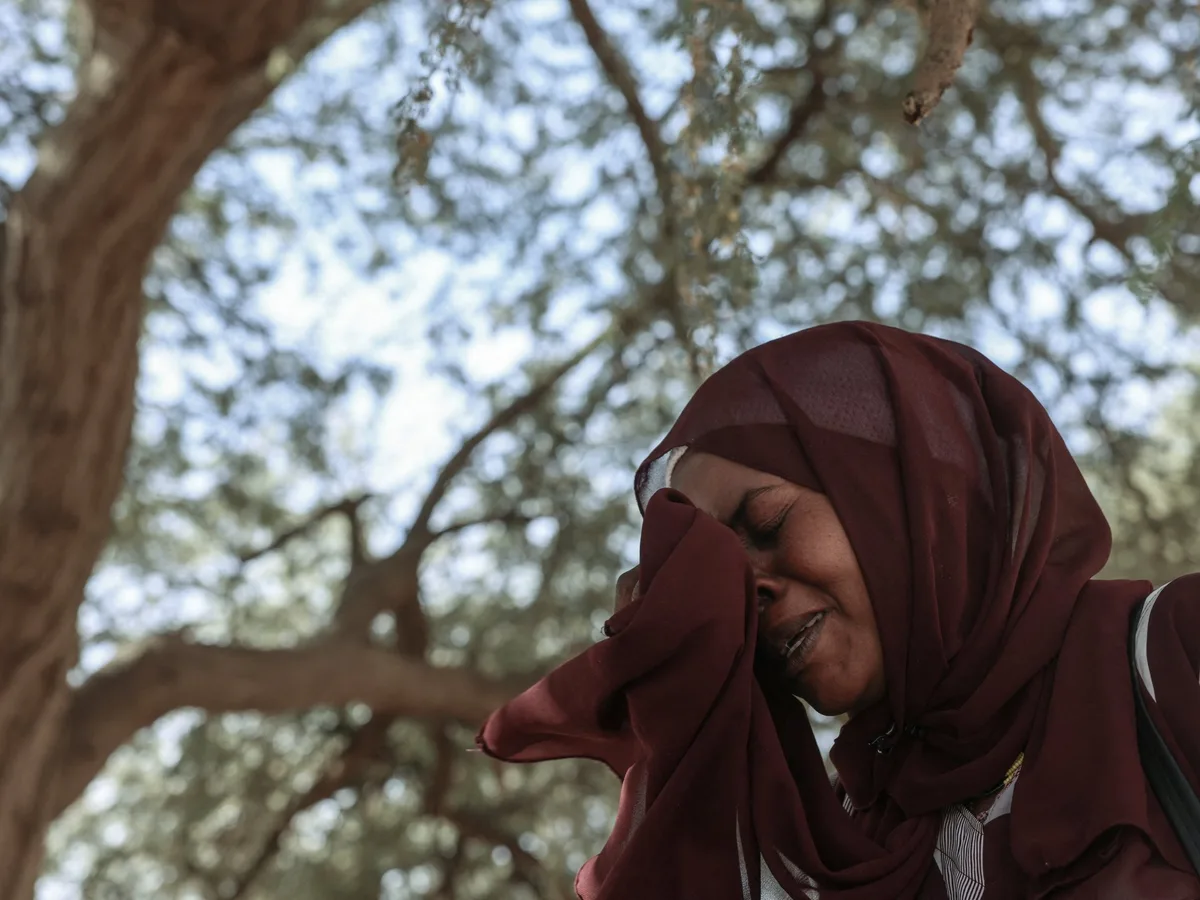
![Sudanese refugee who fled Al-Fashir amid ongoing conflict in Sudan between the paramilitary Rapid Support Forces (RSF) and the Sudanese army at the Iridimi refugee camp, northwest of the town of Iriba, eastern Chad, November 27, 2025 [Amr Abdallah Dalsh/Reuters]](/uploads/2026/09/03/f13587caca4c948166cbc228.webp)