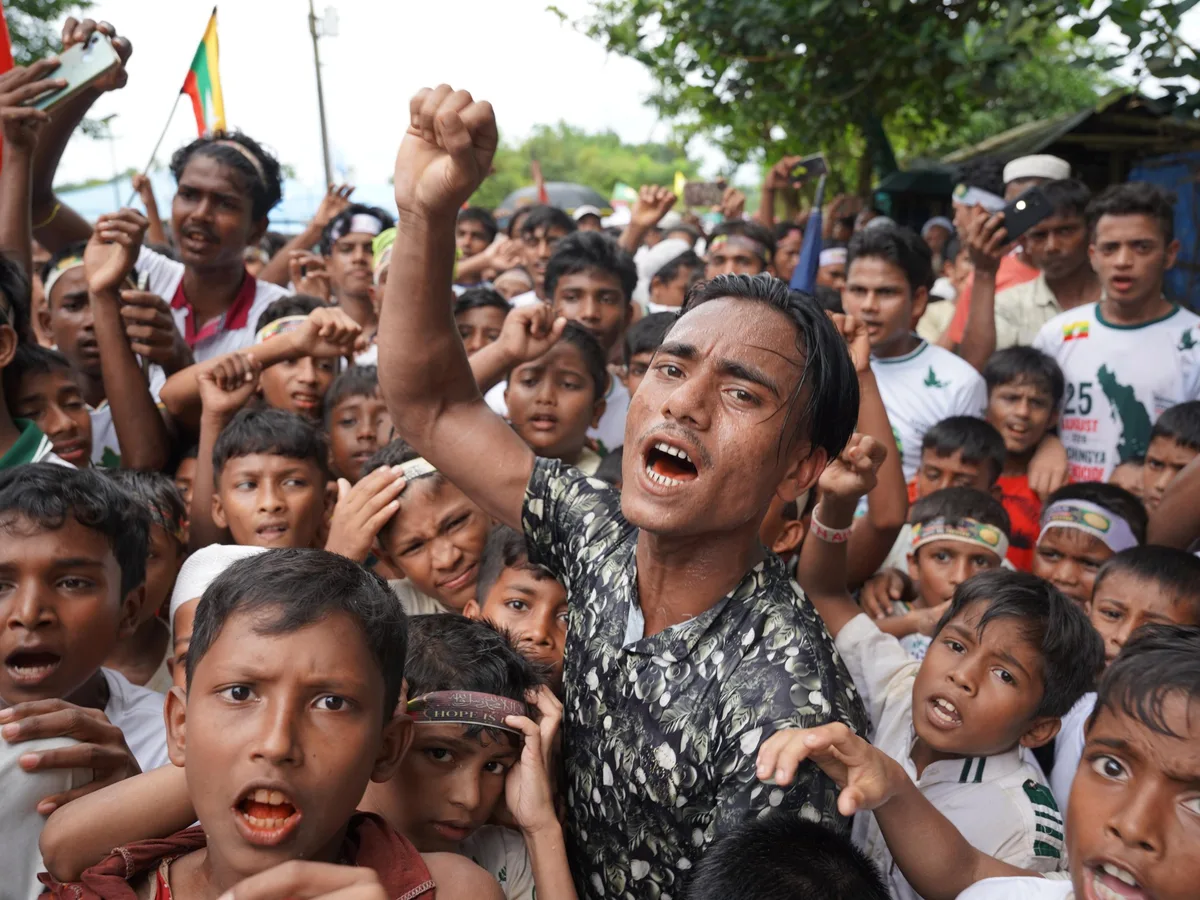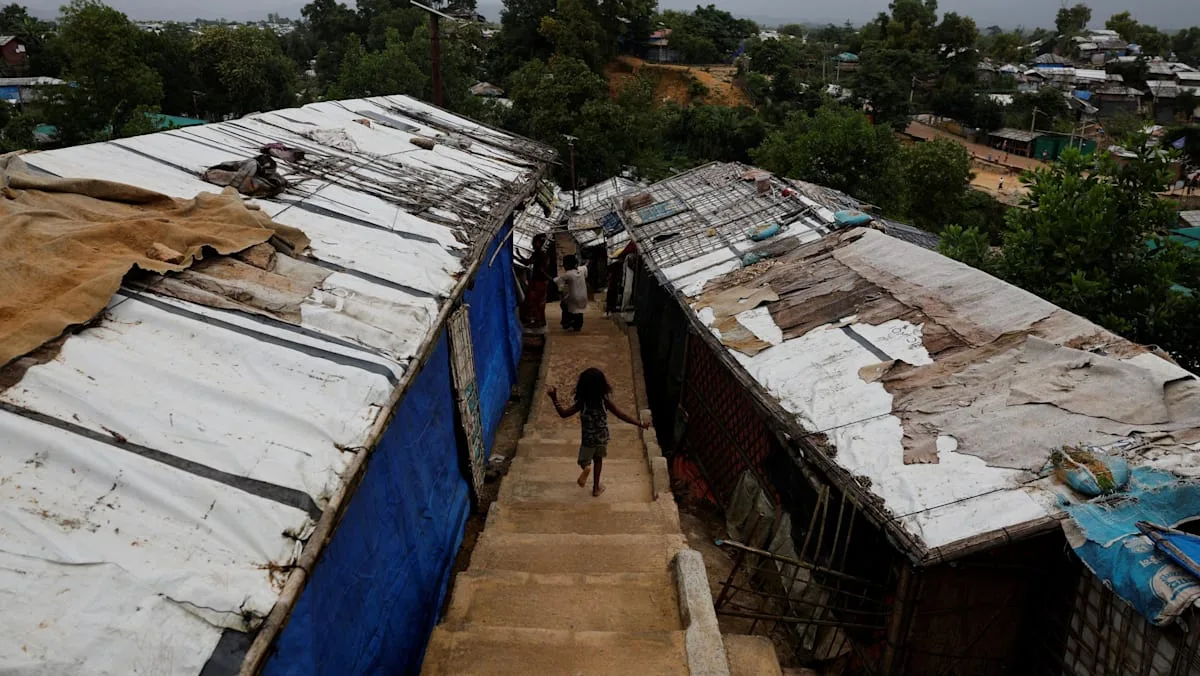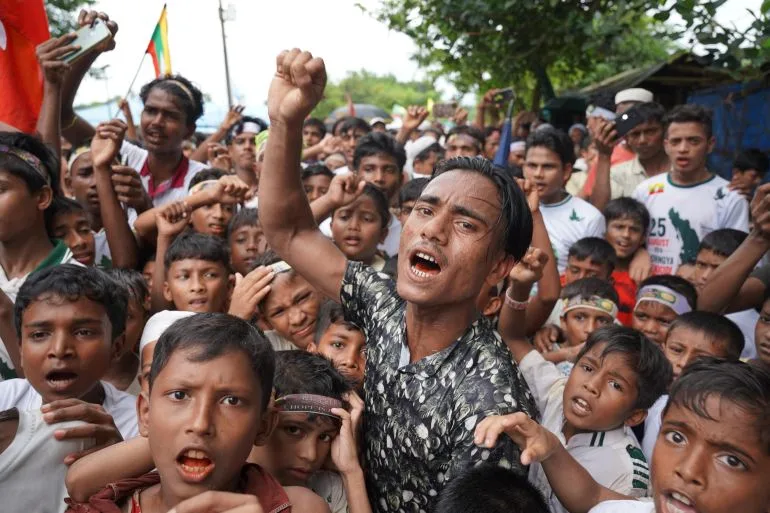
The United Nations released a report on August 25 warning that human rights conditions in Myanmar have hit a new low amid escalating violence and abuses across the country [1, 2, 3, 4]. It described “ever-worsening brutal abuse” against the Rohingya minority, including arbitrary arrests, torture, sexual violence, forced labor, and the destruction of villages and religious sites [1, 2, 3, 4].
Since the military seized power on February 1, 2021, under a coup that overthrew the elected government, the military government has used airstrikes, arson, forced displacement, and denial of humanitarian aid against civilians, worsening the humanitarian crisis [1, 2, 5, 3, 4]. The report covers the period from June 1, 2025, to May 31, 2026, and details extensive suffering in that timeframe [3, 4].
The UN estimates at least 8,075 civilians, including 1,074 children, have been killed since the coup, though some figures put deaths as high as 15,731. Across Myanmar, 3.6 million people remain internally displaced, while 12.4 million face acute hunger. Among these, 400,000 young children and mothers suffer from malnutrition [2]. Over the past five years, deaths stemming from conflict have exceeded 100,000 [3, 4].
Widespread abuses persist in western Rakhine State, where both Myanmar’s military and the ethnic Arakan Army target the Muslim Rohingya minority [1, 2, 3, 4]. Illegal economies also fuel the conflict. These include illicit rare earth mining, drug production, human trafficking, and deeply entrenched fraud and scam operations. Such groups have sought local legitimacy by building roads, schools, and wells, according to James Rodehaver, head of the UN Myanmar team [1, 2, 5, 3, 4]. Rodehaver said, “Phony scam operations are building roads, schools and wells to win local communities’ goodwill and gain legitimacy” [3].
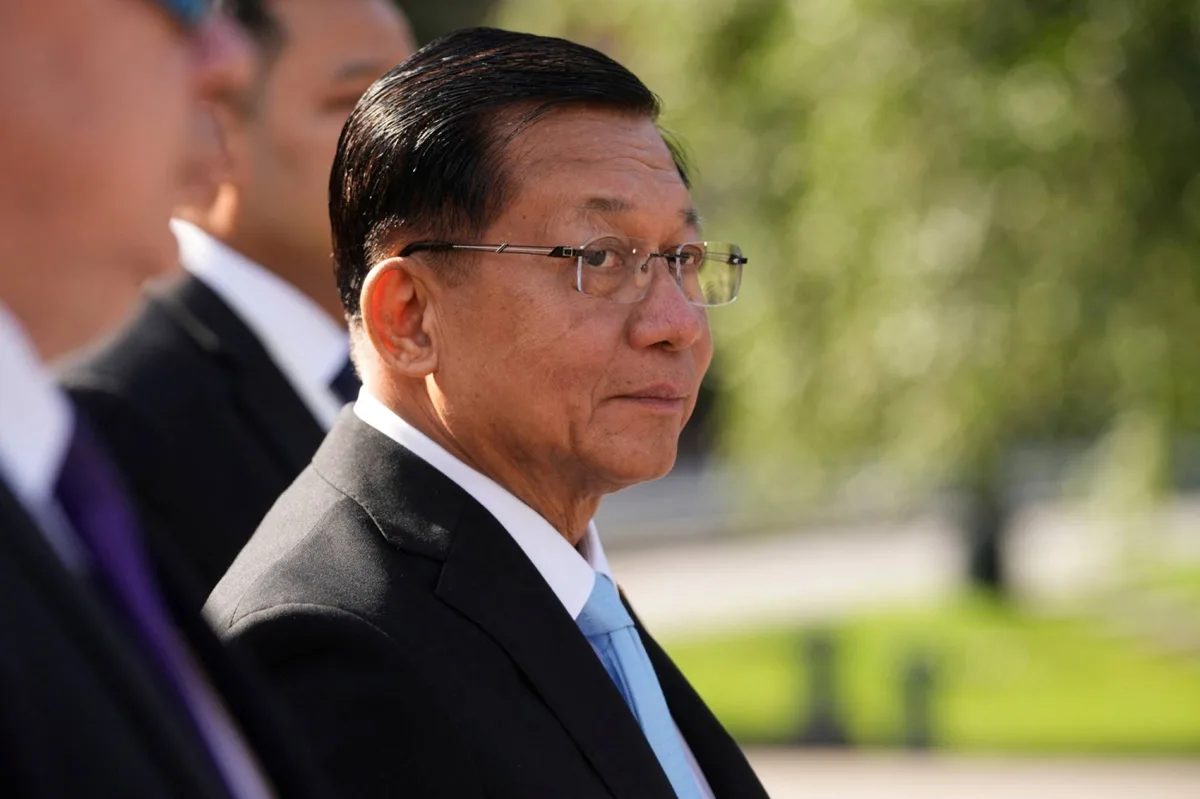
In April 2026, military leader Min Aung Hlaing formally assumed Myanmar’s civilian presidency, handing military commander-in-chief duties to a senior aide. He has engaged in diplomatic efforts with India, China, Laos, and Thailand to end Myanmar’s international isolation [3, 4].
Volker Turk, UN High Commissioner for Human Rights, described the report as painting "a heartbreaking picture of suffering, misery and cruelty across multiple layers of the country" [3]. He called on all states, companies, and investors to reflect deeply on whether their actions are "fair and just for the people of Myanmar" [4].
The UN report highlights that the crisis is ongoing, with extensive abuses and humanitarian needs continuing urgently. Further international monitoring and engagement are anticipated as diplomatic efforts and conflict dynamics evolve [3, 4].