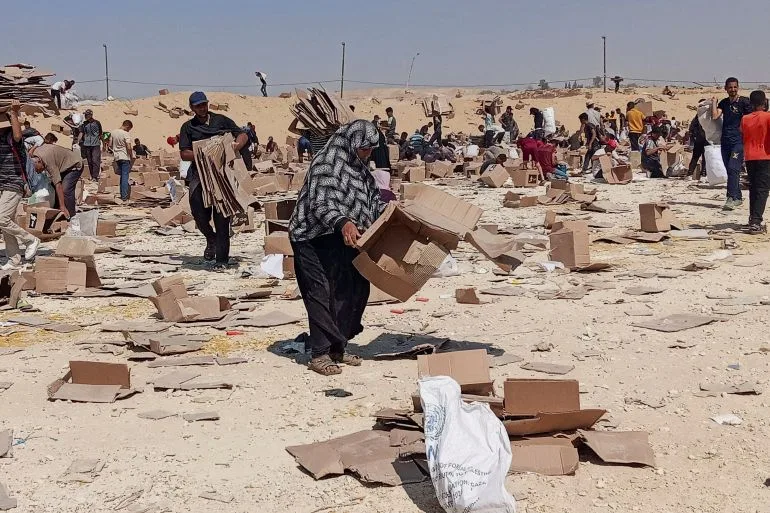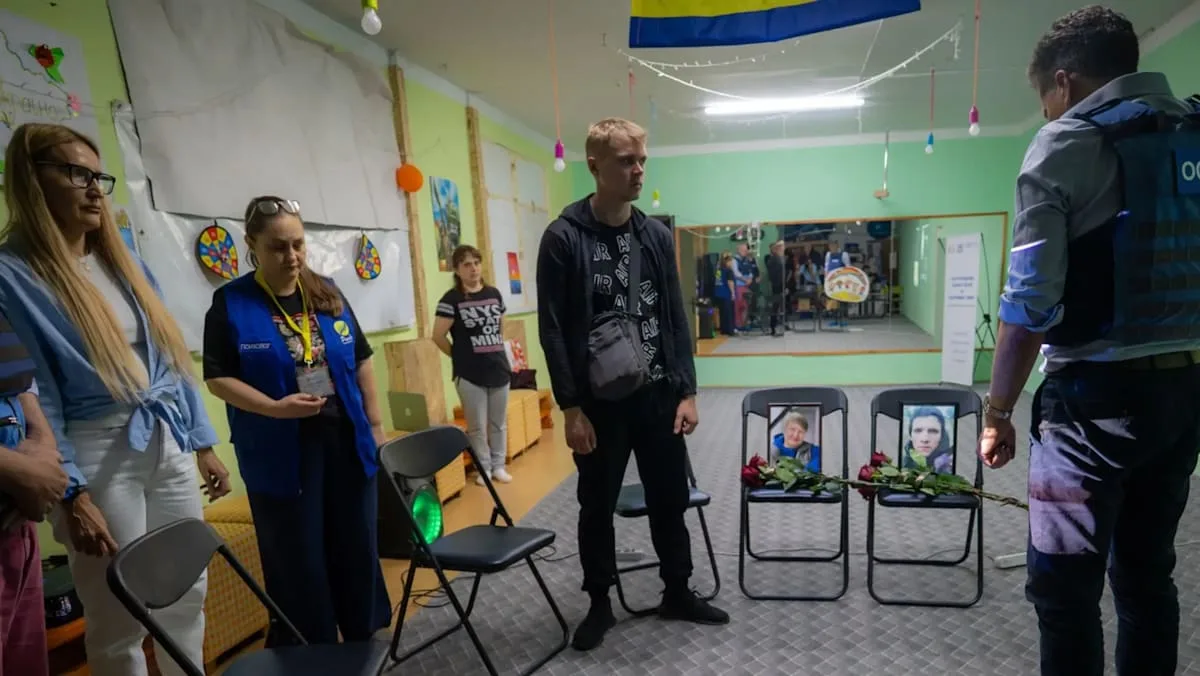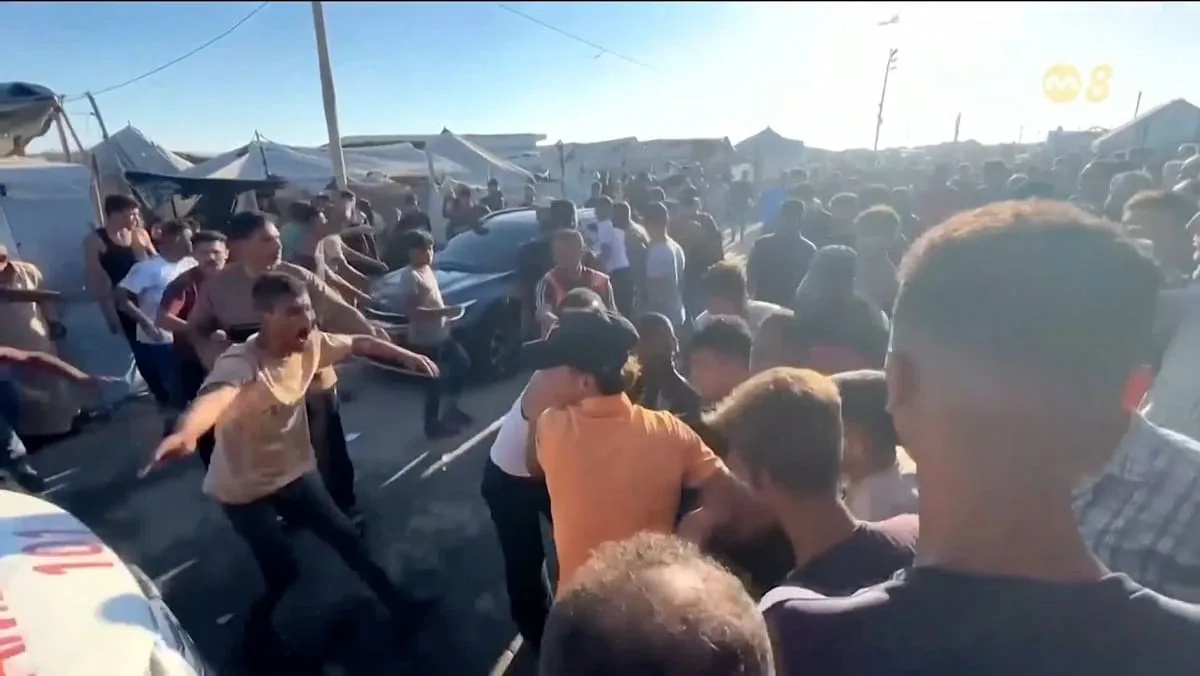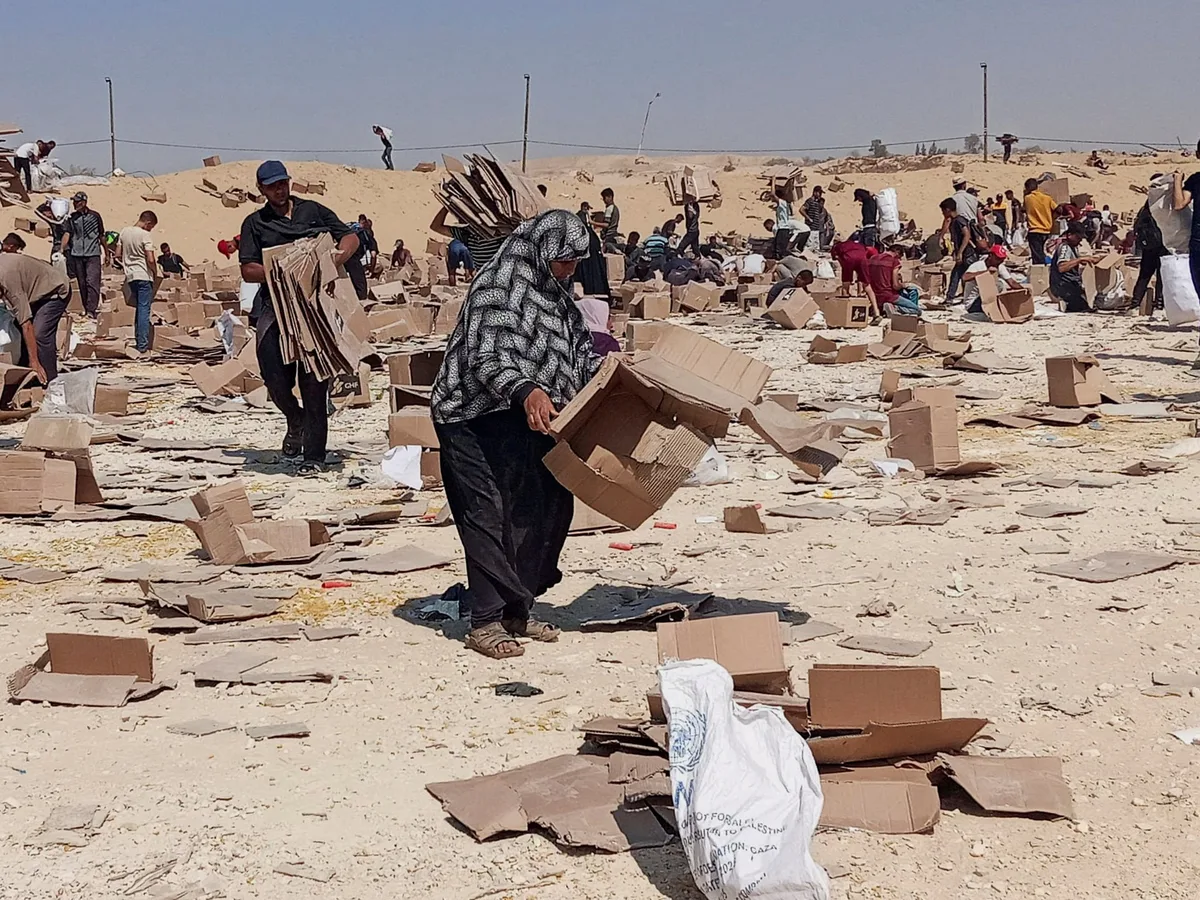
In 2025, 907 aid workers were killed, injured, or kidnapped worldwide, surpassing the previous high of 833 in 2024, the UN said on August 19 [1, 2, 3, 4]. Of those affected, 350 were killed, 322 wounded, and 235 taken hostage [1, 2, 5, 4]. Gaza was the deadliest area, where 186 aid workers died, followed by Sudan with 71 deaths [1, 2, 5, 4].
The UN and aid agencies blamed an increase in cheap, adaptable armed drones for escalating risks to humanitarian workers across conflict zones [1, 5, 4]. In March 2025, drone attacks in eastern Democratic Republic of the Congo killed at least three, including a French aid worker [1, 4]. Aid convoys in Sudan and Ukraine also faced repeated attacks throughout the year [1, 4].
Israeli airstrikes in Gaza in 2025 reportedly killed six people near a Mediterranean-facing café, with Israel targeting Hamas commanders accused of plotting attacks [3]. UN reports noted the broader toll of 186 aid workers killed in Gaza during 2025 without specifying those linked to Israeli strikes [1, 2, 4]. Since the October 2023 conflict outbreak, UNRWA reported at least 393 staff killed in Gaza [4].
UN Secretary-General Antonio Guterres said, "Serving others has become more dangerous than ever" and called the violence "appalling," urging respect for the rules of war and accountability for perpetrators [1, 4]. UN humanitarian coordinator Ramiz Alakbarov emphasized that "humanitarian workers are not a target and humanitarian assistance must be fully facilitated" [1]. Tom Fletcher, UN OCHA Deputy Secretary-General, warned that "normalizing violence against our community is unacceptable" and vowed to fight the killing of humanitarians [5]. Oxfam’s Bushra Khalidi said, "We’re witnessing an assault on humanitarian action itself" [1].
Funding cuts for humanitarian efforts have continued even as attacks rise, further endangering aid workers [1]. Since January 2026, the toll remains high with 82 aid workers killed, 97 injured, and 39 kidnapped worldwide [2]. The UN’s August 19 report coincided with World Humanitarian Day commemorations and called for improved protection and accountability [1, 2, 5, 4].