An estimated 331 million people worldwide used drugs in 2024, accounting for 6.2% of the global population aged 15-64, up from 5.2% in 2014, according to United Nations reports [1, 2, 3]. Cannabis remained the most commonly used drug, followed by opioids, amphetamines, cocaine, and ecstasy [1, 2, 3].
The UN highlighted a rapid surge in potent and dangerous synthetic drugs, including fentanyls, nitazenes, and orphines, which are now more prevalent globally [1, 4, 2, 3]. UNODC Executive Director Monica Juma said, "We have seen an unprecedented spike in new types of drugs on the market, and worryingly, some are more potent or dangerous than before" [4, 3]. The number of drug types seized in 2024 was five times higher than before 2000, with 755 new psychoactive substances (NPS) reported that year. Of these, 118 were reported for the first time [1, 4, 2, 3].
The 2022 Taliban ban on poppy cultivation in Afghanistan has heavily impacted the global opium and heroin market, pushing traffickers toward synthetic opioid alternatives [1, 4, 2, 3]. Meanwhile, methamphetamine trafficking is growing about 13% annually with new production and trafficking routes opening in Africa, the Middle East, and parts of Europe [4, 3]. Cocaine production in 2024 reached a record high of over 4,000 tonnes of pure cocaine, more than quadrupling over the last decade [4, 3].
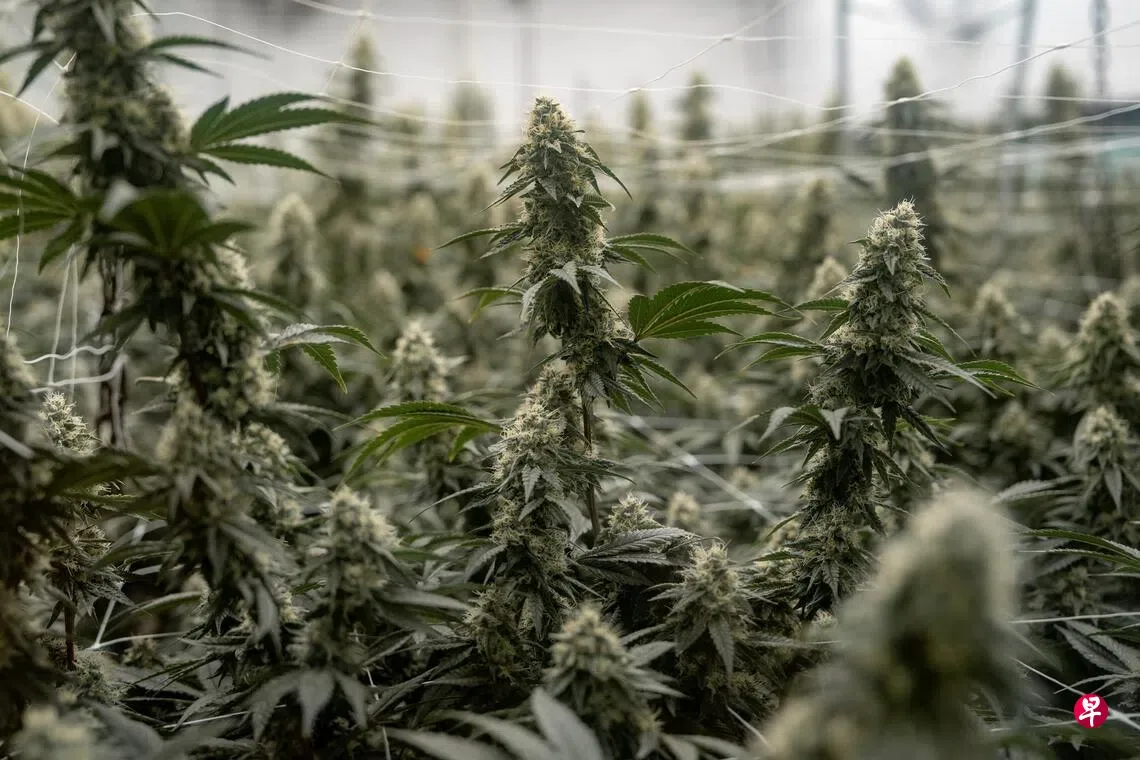
The fall of the Assad regime in Syria in 2024 disrupted the Captagon market, potentially causing users to switch from Captagon to methamphetamine [4]. Global cannabis use grew by roughly 40% between 2014 and 2024, in part driven by legalization and decriminalization efforts [3].
The timeline of key events includes the Taliban's 2022 poppy ban, the estimated 331 million users and 755 NPS types in 2024, record cocaine production, and Syrian market disruption from the Assad regime fall all reported in 2024 [1, 4, 2, 3].
Authorities will continue monitoring the proliferation of new synthetic drugs and their growing role in global drug markets into 2025 and beyond.