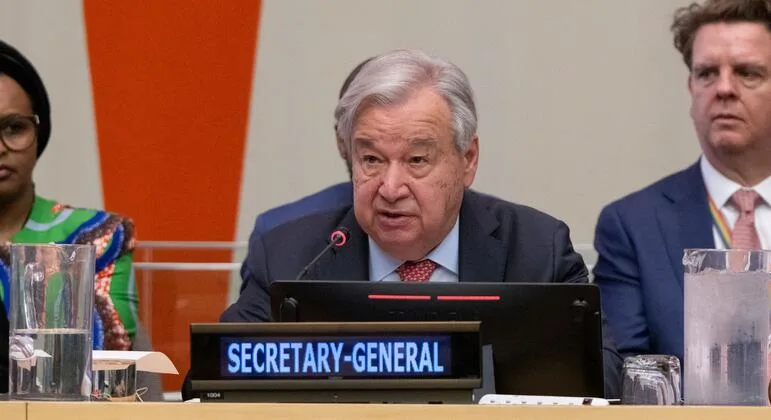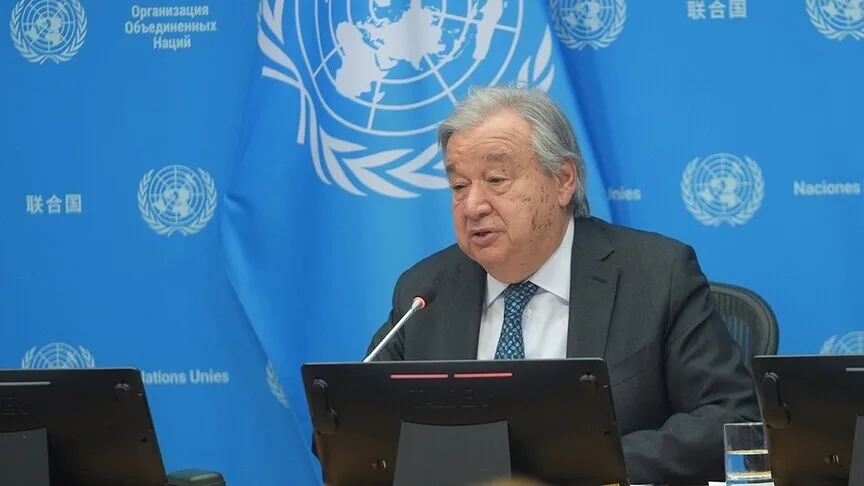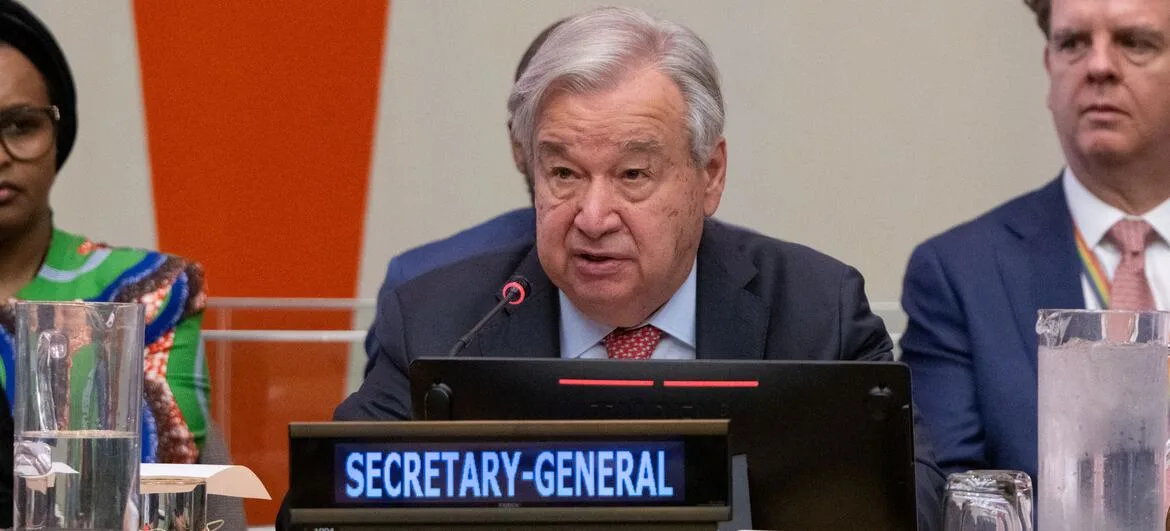
UN Secretary-General Antonio Guterres emphasized the need for stronger support to UN development system reforms initiated in 2017 to reduce fragmentation and improve capacity across the organization [1, 2]. The reforms aim to align the UN’s development efforts with the Sustainable Development Goals (SDGs) and enhance leadership, coordination, and the use of digital technologies, including artificial intelligence [1].
Central to the reform is the enhanced Resident Coordinator system, which now operates with clearer authority, independence, and accountability. This has improved the system's effectiveness and responsiveness to the needs of host countries [1, 2]. Recent surveys show that 94% of governments consider UN development support effective. The percentage of host governments rating Resident Coordinators as effective liaisons rose from 62% in 2019 to 90% in 2025 [1].
In 2025, UN development entities achieved efficiency gains exceeding $900 million through streamlined services, supply chains, and shared service mechanisms [1, 2]. Despite these gains, the UN development system faces a significant funding crisis amid a deteriorating global development climate marked by slower economic growth, rising debt, and tighter fiscal space in many countries [1, 2]. The Resident Coordinator system in particular faced a $46 million funding gap in 2025 [1, 2]. Core funding for the development system remains below target levels, largely short-term and earmarked, which reduces operational flexibility [1, 2].
Guterres called on member states to increase core funding to 30% of total development resources to ensure stability and predictability [1, 2]. He also urged countries to shift spending away from military budgets toward peace, development, and social priorities such as education, health, and poverty reduction, stating, "In the context of today's out-of-control military spending, countries need to reprioritize and spend more on the instruments of peace and development and less on the instruments of destruction and death" [2].
The UN is exploring possible mergers of UNDP with UNOPS and UNFPA with UN Women to bolster sustainable development and gender equality [1, 2]. The ‘UN80’ reform initiative seeks to further increase efficiency by focusing resources on development outcomes at the country level through joint knowledge hubs and technology platforms [1, 2].
Speaking at the June 2026 ECOSOC Operational Activities segment, Guterres described the moment as pivotal: "This is a decisive moment. Our choices now will determine whether the progress of the last decade is preserved or lost" and added, "The system is better equipped, but increasingly under-resourced" [1, 2]. He emphasized, "Reform is possible—but we need to keep working together" [1].
With roughly 1,700 days remaining until the 2030 SDG deadline, Guterres stressed the urgency of sustained and increased support from member states to maintain momentum toward sustainable development goals [1, 2].