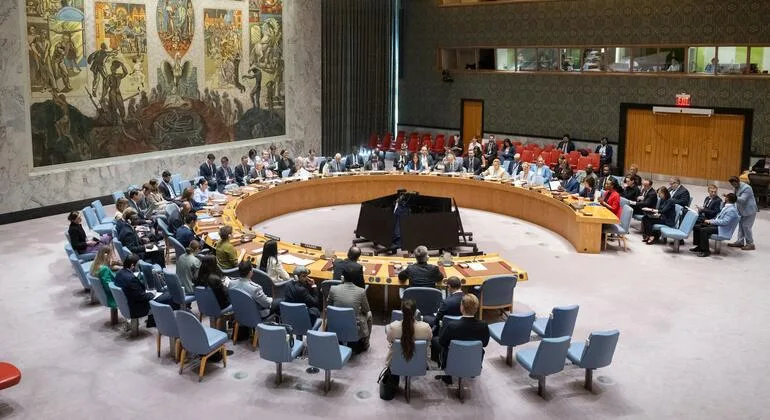
The war in Ukraine is deadlier now than at any point since Russia’s full-scale invasion in 2022, the United Nations said in a recent statement, citing record civilian casualties and escalating attacks in mid-2026 [1, 2]. UN Under-Secretary-General Rosemary DiCarlo told the Security Council that “each succeeding year of the war has recorded more civilians killed than the previous one” and stressed, “It is not too late to re-engage in dialogue and negotiations in good faith” [2].
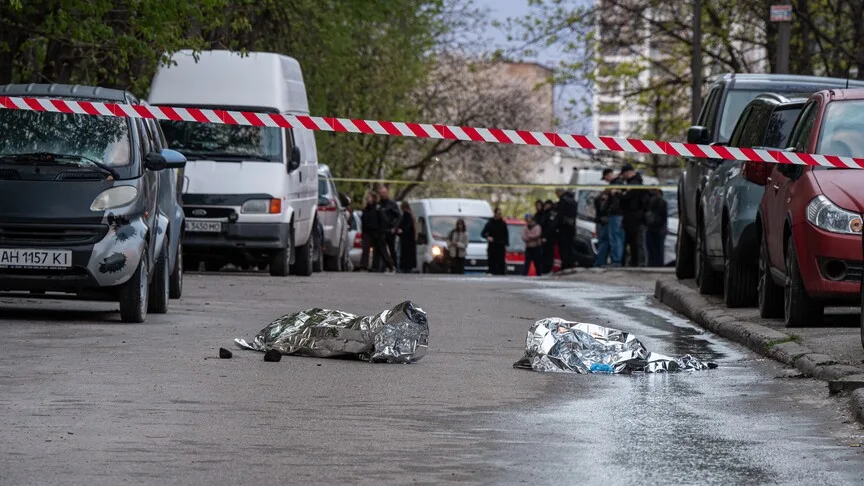
Since the start of the conflict, more than 15,850 civilians have been confirmed killed, including 791 children, and over 44,800 injured, with 2,752 of those injured being children [1, 2]. The UN noted that these figures are likely significantly higher due to underreporting [2]. Civilian casualties in May 2026 surpassed the previous monthly record set in April, illustrating the intensifying violence [1]. UN humanitarian affairs deputy secretary-general Ratwatte said large-scale attacks on major cities are increasing in both scale and intensity, with at least 30 civilians killed and more than 200 injured over a recent four-day period [1].
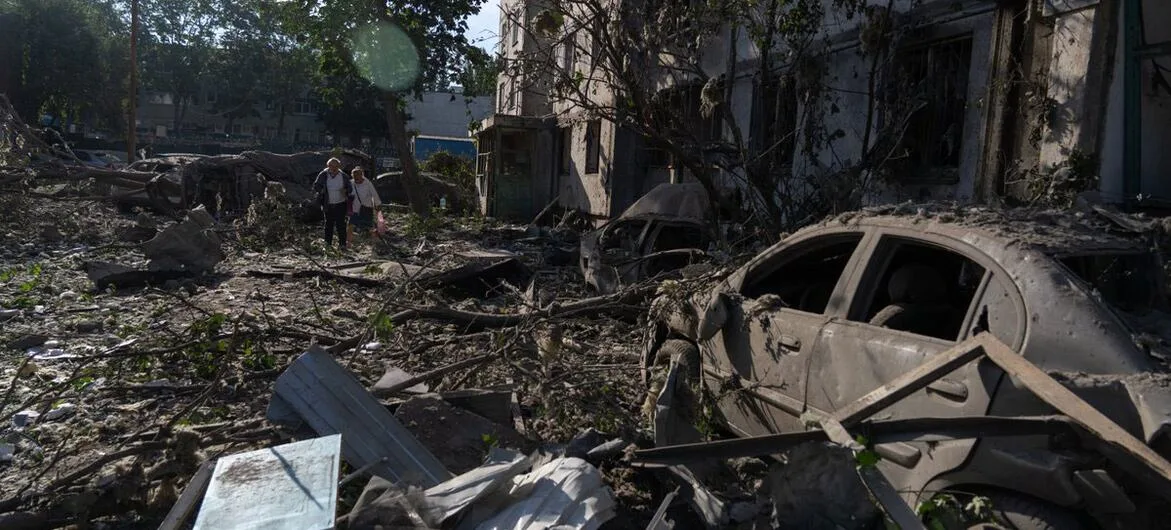
On June 1, 2026, Russia launched one of its largest missile and drone attacks since the war began, hitting multiple Ukrainian cities including Kyiv, Dnipro, Kharkiv, Poltava, Sumy, Zaporizhzhia, and Chernihiv [1, 2]. Kyiv alone reported 7 deaths and 89 injuries from the attacks, while Dnipro reported 16 deaths and 42 injuries, including among children [1]. The assaults damaged hospitals, schools, humanitarian facilities, and UN offices in Kyiv [1]. Ratwatte highlighted that humanitarian workers have also been targeted, with 3 killed and 32 injured so far in 2026 [1].
Around 10.8 million people in Ukraine now require humanitarian assistance, but funding to meet these needs is under half what is required [1]. Continued fighting and drone attacks restrict access for aid workers to frontline areas [1]. The Zaporizhzhia nuclear power plant faces significant danger from ongoing conflict and attacks on nearby energy infrastructure. A sixth partial ceasefire went into effect on June 5 to allow critical repair work at the site [1].
DiCarlo summarized the situation bluntly: “The conflict is intensifying” and urged that “only a ceasefire can save lives, reduce suffering, and create space for peace” [1]. She called for an immediate ceasefire to “save lives, alleviate suffering, and create the space necessary for diplomatic efforts towards a just, lasting, and comprehensive peace” [2]. The UN remains focused on renewing diplomatic efforts to end the fighting.
The next key event will be continuing international diplomatic efforts following DiCarlo’s June 8 address to the UN Security Council on the escalating civilian toll [2]. Humanitarian organizations also face pressing challenges delivering aid as the conflict endures.