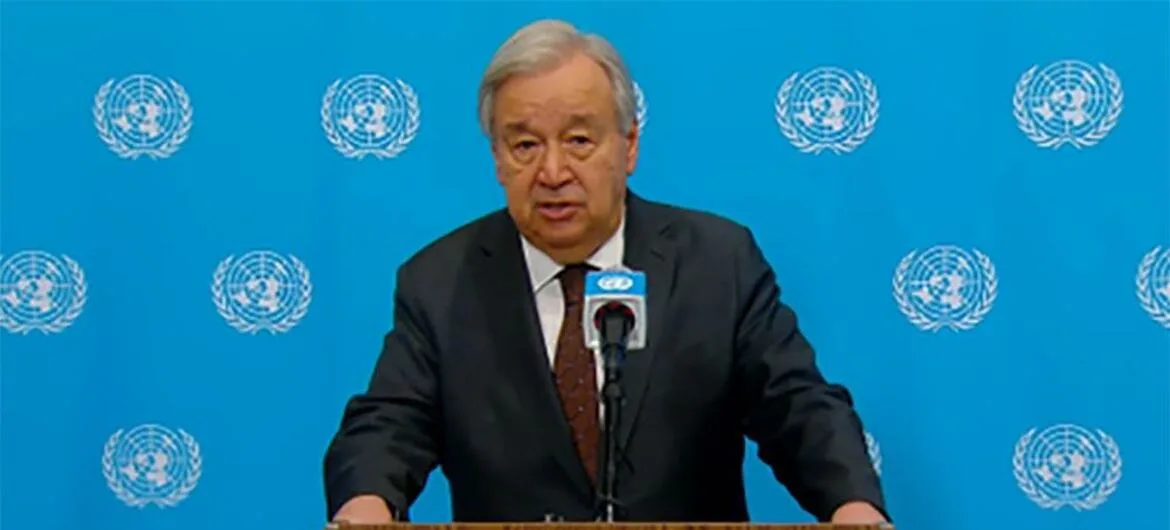
UN Secretary-General António Guterres warned on July 31 that a strengthening El Niño is intensifying the global climate crisis, causing record-breaking heat and worsening extreme weather worldwide [1, 2, 3]. "This is only a warm-up act. El Nino is strengthening, adding fuel to a planet already on fire," Guterres said [1]. He added, "Two months ago, I warned that El Nino was arriving on our doorstep. Now it is inside the house – and turning up the heat." [2]
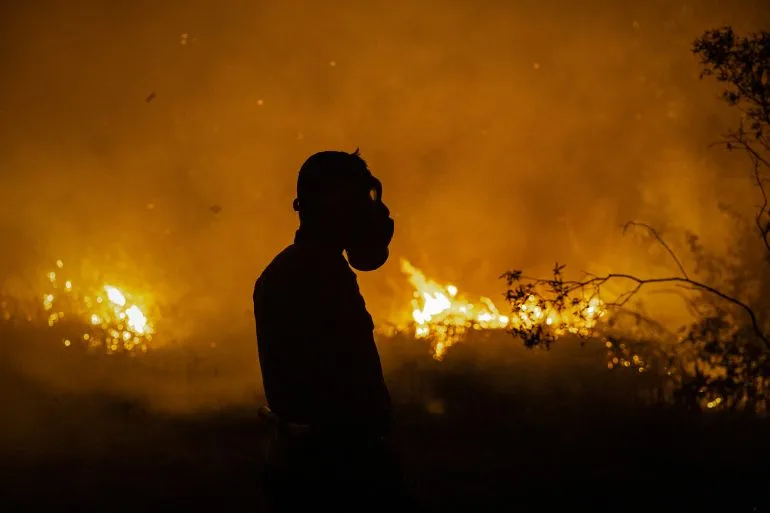
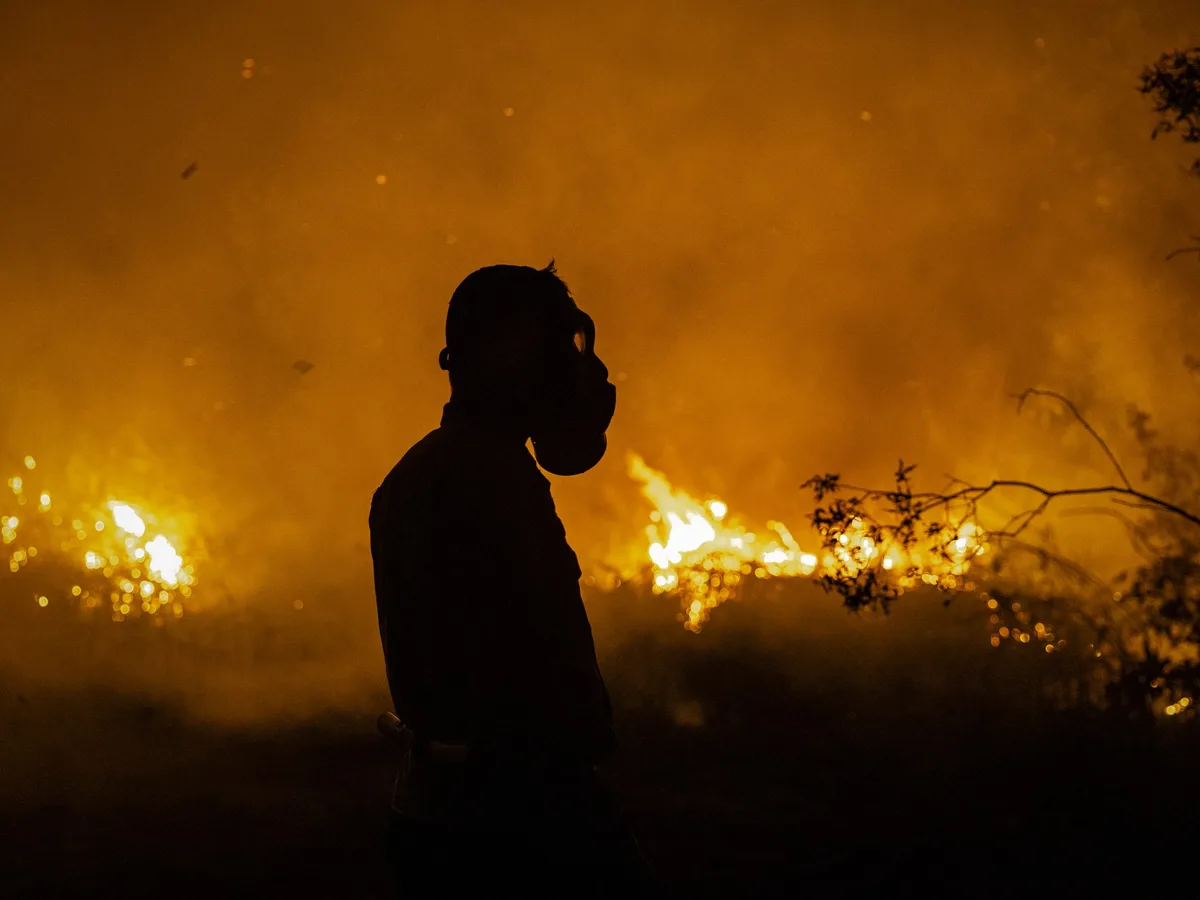
Sea surface temperatures in the central Pacific related to El Niño are forecast to rise approximately 2.9 to 3 degrees Celsius above normal this year, a level likely to drive significant climate disruptions [4, 1, 2, 3]. June 2026 recorded unprecedented global sea surface temperature highs, followed by July breaking additional heat and temperature records globally, alongside worsening wildfires and thousands of heat-related deaths [4, 2, 3]. Guterres summarized, "The verdict is clear: the climate crisis is in overdrive." [3]
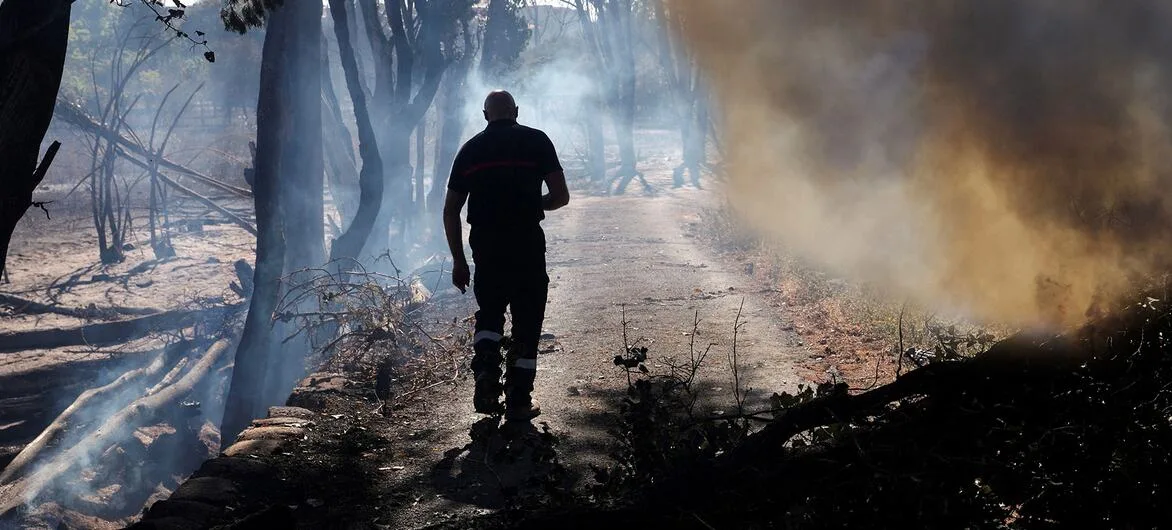
El Niño impacts include increased heatwaves, droughts, wildfires, disrupted monsoon rains, and altered rainfall patterns affecting regions across India, Central America, the Caribbean, South America, Europe, Africa, South Asia, and the Southwest Pacific [4, 1, 2, 3]. This summer has already seen deadly wildfires notably in Spain and France [4, 2, 3]. Vulnerable groups such as children, the elderly, disabled people, outdoor workers, residents of informal settlements, and marginalized communities face disproportionate risks from extreme heat [4].
The World Meteorological Organization (WMO) is enhancing early warning and climate support systems to help governments and humanitarian agencies prepare for the anticipated impacts of El Niño [4, 1]. WMO Secretary-General Celeste Saulo emphasized, "Forecasts in themselves do not prevent hazards; people do. The decisions we make today will shape the impacts we experience tomorrow" [1]. Some scientific models suggest this El Niño could reach record intensity in the latter half of 2026, though there is uncertainty in these projections [1].
From August through October, the WMO forecasts that nearly all global land areas will experience above-normal temperatures and abnormal rainfall patterns, leading to continued climate stress [4, 2, 3]. Over 250 cities have joined the UN "Beat the Heat" initiative to implement measures to protect vulnerable populations from extreme heat [4].